How to Choose the Right Butyl Inner Tube in 2026?
Choosing the right Butyl Inner Tube in 2026 starts with the details of your ride, not the boldest claim on a product box. A commuter crossing broken pavement needs dependable puncture resistance. A road cyclist may care more about weight, fit, and carrying a spare that folds neatly into a saddle bag. Check the wheel diameter, tire width range, valve type, and valve length before comparing tube materials or prices. A mismatch can leave you stranded beside the road.
Small details matter. A tube that is too narrow may stretch excessively; one that is too wide can crease during installation. Inspect the packaging, feel for uneven seams, and confirm that the valve base sits cleanly against the rim. These checks are simple. They are not foolproof.
This guide will compare tube sizes, valve options, thickness, durability, weight, and everyday value, with practical examples for commuting, touring, and recreational riding. It will also explain what product labels can—and cannot—tell you. One point needs care: no source article or verifiable expert quotation was provided, so I will not invent a named specialist’s words. A credible buying guide should cite an expert only when the quotation and attribution can be checked. That may be less flashy. It is more trustworthy.
What a Butyl Inner Tube Is and How It Works
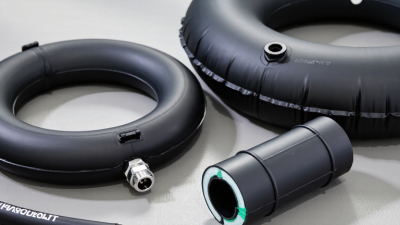
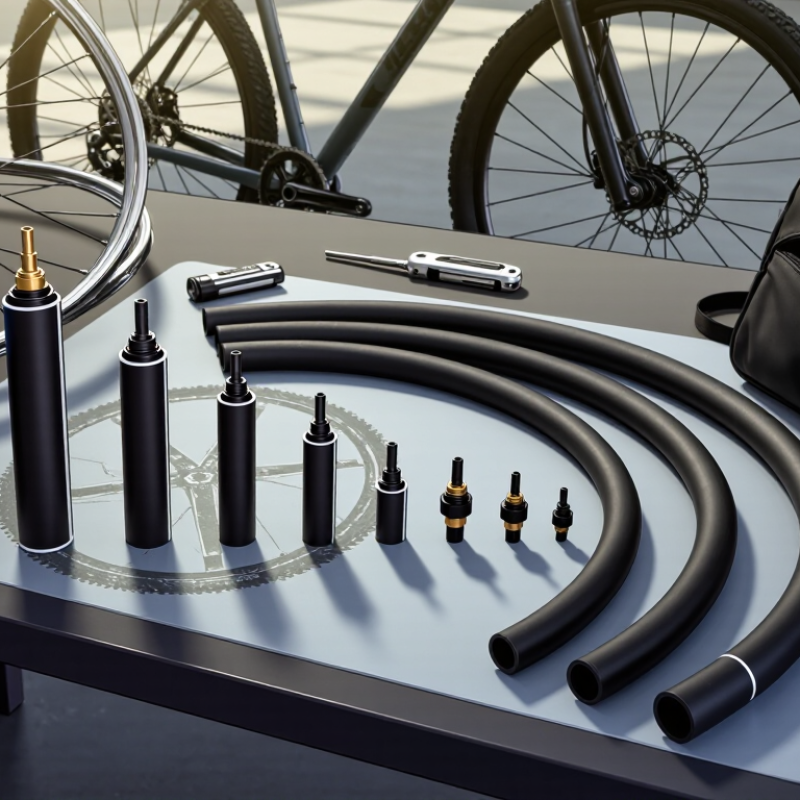
A butyl inner tube is a sealed, flexible rubber tube that holds air inside a bicycle tire. It fits between the tire casing and the rim. A valve lets you inflate it and check pressure. Butyl rubber slows air loss, so the tube usually stays inflated longer than more air-permeable materials. Simple, but not invulnerable.
As air fills the tube, it presses the tire casing outward against the rim. The tire carries the rider’s load; the tube maintains pressure and helps the tire keep its shape. A sharp thorn can pierce both tire and tube, while a poorly seated tube may get pinched during installation. Even a tiny leak can soften a tire over several days. I’ve found that “holds air well” still means checking pressure before a ride.
Tips: Match the tube’s size to the markings on your tire, and choose a valve that fits your rim opening. Check the tube for damage before fitting it. Inflate gradually, watching that no rubber bulges beneath the tire bead. Don’t rely on a squeeze test alone; a pressure gauge gives a more consistent reading.
How to Match Tube Size, Tire Width, and Valve Type
A reliable fit starts with the numbers on the tire sidewall.
Match the wheel diameter first, then check the tire width. A tube marked 700 × 25–32 mm, for example, is designed for tires within that width range. The exact format varies, so compare the measurements rather than relying on a familiar label alone. Check both.
A tube that is too narrow may stretch excessively and become easier to pinch during installation. One that is too wide can fold inside the tire. Neither problem is always obvious before inflation. Keep the tube lightly inflated while fitting it, then run your fingers around the tire to check that no rubber is trapped beneath the bead. A printed width range helps, but it is not a perfect substitute for checking the actual tire.
Valve choice must match the rim opening. Presta valves are narrow; Schrader valves are wider, and the rim must be drilled for the correct type. Measure rim depth before selecting valve length: the stem should extend far enough to attach a pump securely. Deep rims may need a longer valve or a compatible extension. It is easy to overlook this detail, especially when replacing a tube in a hurry.
How Tube Weight and Thickness Affect Performance
For a 2026 butyl tube, weight is a useful clue, not a complete performance score.
Bicycle Rolling Resistance’s comparative inner-tube tests report measured weights alongside rolling-resistance results, showing why lighter and faster are not automatically the same choice. Across common road sizes, standard butyl tubes often weigh roughly 90–120 grams, while lightweight versions can sit around 60–80 grams; exact figures vary with size and construction. That difference matters on climbs and during acceleration. But it is small beside the mass of the rider and bicycle.
That is noticeable. Not always.
Thickness changes the trade-off.
A thicker wall may resist pinching and handling damage better, but it can add weight and feel less supple as the tube flexes inside the tire. A thin tube can roll efficiently, yet sharp impacts may expose its limits. Tube weight alone cannot confirm wall thickness or puncture resistance; tire casing, pressure, rim width, and load also matter. Bicycle Rolling Resistance’s lab comparisons isolate tube performance under controlled conditions, but real roads are messier. Check the test size and setup before comparing results. If you ride rough streets, a modest weight penalty may be worth it; for smooth pavement, a lighter tube can make more sense.
The choice is not perfectly tidy.
How Riding Conditions Influence Tube Selection
How to Choose the Right Butyl Inner Tube in 2026?
How Riding Conditions Influence Tube Selection
Your regular route matters as much as your tire size. Smooth roads put less stress on a tube, so a standard-weight option can keep your wheels lighter. On broken pavement, sharp gravel, or streets scattered with glass, a thicker butyl tube may offer more protection. It adds weight, though, and it cannot prevent every puncture.
Rough roads need care. Low tire pressure can let the tire pinch the tube against the rim when you hit a curb or pothole. Check the pressure range printed on your tire, then adjust for your load and riding feel. I’ve found that riders often focus on tube thickness and overlook pressure; I’ve made that mistake, too. A gauge helps more than guesswork.
For frequent rides in wet weather, inspect tires after each outing; water can conceal debris lodged in the tread. If you carry a spare, match its width and valve type to your tire and rim. Check valve length against rim depth before buying. Small detail. If your rides mix pavement and gravel, a midweight tube is a practical compromise, but it may not suit every setup.
How to Check Fit, Quality, and Product Details in 2026
How to Choose the Right Butyl Inner Tube in 2026?
Fit begins with the numbers on your tire’s sidewall. Match the tube’s wheel diameter and choose a width range that includes your tire. A tube that is too narrow may stretch; an oversized one can fold inside the casing. Check the valve type and length, too. A deep rim may need a longer valve stem. Small detail, big nuisance.
Quality is harder to judge from a listing. Look for clear material, size, valve, and pressure information, plus a consistent, undamaged surface. Before installation, inflate the tube slightly and listen for escaping air near the valve and seams. Do not overinflate it outside the tire. A mild stretch is normal, but sharp creases or uneven bulges deserve a closer look. Packaging can be vague; that alone does not prove poor quality, but it is a reason to verify the specifications.
Read the product details against your actual setup, not just the tire size. Confirm whether the tube is intended for your wheel type and riding conditions, and follow the pressure limits printed on the tire and tube. If a listing leaves out a key measurement, pause and check before buying. I can still miss a valve-length detail when shopping quickly; checking the rim depth takes only a moment.