What Are the Top Types of Butyl Cameras for Global Buyers?
Global buyers often encounter the term “Butyl Cameras” in tire and inner-tube marketplaces. In many regions, this wording describes butyl rubber air chambers, especially for bicycles, motorcycles, agricultural equipment, and passenger vehicles. The category is not always named consistently. That ambiguity deserves attention.
This guide examines the main types available, including standard tubes, heavy-duty tubes, self-sealing designs, and valve-specific options. Each type serves different operating conditions. A city bicycle may need a lightweight tube with a Presta valve. A delivery motorcycle may require thicker rubber and a stronger valve base. Agricultural equipment often demands larger dimensions, higher load tolerance, and dependable air retention.
Practical purchasing decisions should begin with exact size, valve type, rubber quality, and intended service environment. Buyers should also review wall thickness, joint finishing, packaging, storage life, and batch traceability. These details can reveal more than an attractive catalog photograph. Supplier audits, sample testing, and documented quality procedures provide stronger evidence than broad marketing claims.
Relevant technical standards and destination-market requirements should be checked before shipment. Compatibility matters. A tube that fits the diameter may still fail because of valve position or rim design. Some suppliers provide test reports, but reports should match the actual production batch. That point is easy to overlook.
The sections ahead compare the top Butyl Cameras by application, construction, durability, and procurement value. They also address common selection mistakes. No single type is best for every buyer, and even experienced purchasers can miss small specification differences.
What Is a Butyl Camera and Why Is It Used?
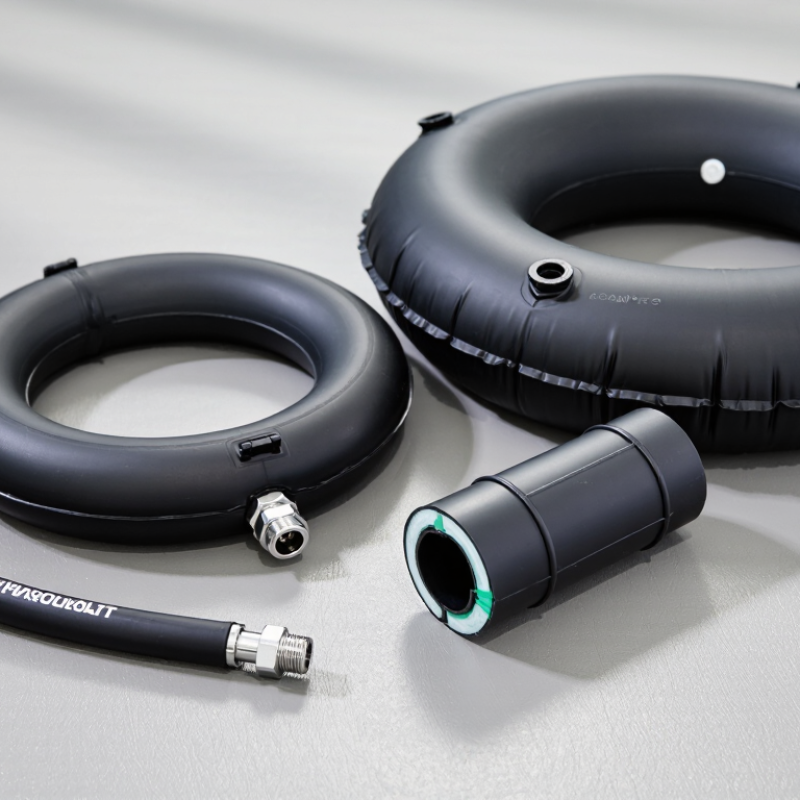
A butyl camera, commonly called a butyl inner tube, is an inflatable liner fitted inside certain tires. It is made from synthetic butyl rubber, valued for its low air permeability. The tube holds pressurized air between the rim and tire casing. A valve stem controls inflation and allows pressure checks. In practical use, this design helps maintain tire performance over time. It is not a universal solution, though.
For global buyers, the main types differ by application, dimensions, wall thickness, and valve design. Standard tubes suit bicycles, small carts, and ordinary passenger tires. Heavy-duty tubes use thicker rubber for trucks, agricultural wheels, and rough work areas. Specialized tubes may serve industrial equipment, but their limits require verification. Valve positions and stem angles also matter. A correct diameter with the wrong valve can still prevent installation. Some suppliers classify tubes by tire size, while others emphasize rubber grade. That inconsistency deserves attention.
Butyl is used because it seals air reliably, flexes under repeated loading, and usually costs less than specialty elastomers. It performs reasonably across changing temperatures. Extreme heat, ozone, sunlight, or incorrect pressure can shorten service life. Workshop technicians often find storage conditions overlooked. A tightly folded tube may develop creases or weak spots. Buyers should confirm size markings, valve type, thickness, pressure range, test records, and packaging quality before shipment. A cheaper tube is not always cheaper after fitting failures.
Which Main Types of Butyl Cameras Are Available?
Standard butyl cameras are the most common option for bicycles, motorcycles, carts, and light vehicles. They use a flexible butyl rubber wall that holds air reliably during everyday use. These cameras usually come in several sizes, with different valve stems and valve angles. Correct sizing matters more than choosing the thickest product.
Heavy-duty butyl cameras have thicker walls for rough roads, heavier loads, or frequent commercial use. They resist pinching better than standard versions, especially when tire pressure is maintained correctly. However, extra rubber adds weight and may make installation less flexible. Ultra-heavy-duty models suit agricultural, construction, and industrial tires. Their stronger construction supports demanding work, but they still need proper rim inspection.
Self-sealing butyl cameras contain a sealant layer that can reduce air loss after small punctures. They are useful where roadside repairs are inconvenient. The protection is limited. Large cuts, valve damage, and rim problems still require repair or replacement. Some suppliers also offer reinforced cameras with thicker valve areas for high-vibration applications. In practice, pressure, storage temperature, and installation technique affect service life as much as camera type. A stronger camera is not always better. It may fit poorly, wrinkle inside the tire, or create mounting problems. Global buyers should check size markings, valve specifications, operating conditions, and applicable safety requirements before purchasing.
How Do Butyl Cameras Differ by Vehicle and Application?
Butyl cameras vary significantly by vehicle, wheel size, and working conditions. Bicycle tubes are usually lightweight and narrow. They suit commuting, touring, and moderate trail use. Road bicycles often need high-pressure tubes with precise valve lengths. Mountain bicycles require wider tubes and stronger rubber around the valve area. A small sizing error can cause repeated punctures.
Motorcycle tubes are thicker and handle higher heat, speed, and impact loads. Their valve stems must match the rim design. A tube for a scooter may not suit a heavy motorcycle, even when diameters appear similar. Truck and agricultural tubes use thicker butyl compounds for heavier loads. Farm equipment may need tubes that tolerate uneven ground, long parking periods, and low-pressure operation.
Application matters as much as vehicle type. Delivery fleets often prioritize durability and easy inspection. Racing users may prefer lower weight, but this can reduce impact resistance. Construction vehicles need stronger tubes around rough, debris-filled work areas. Field checks should include tube size, valve position, rubber thickness, and storage age. I once assumed a thicker tube was always better. It was not. Excess material can complicate fitting and create folds inside the tire. Buyers should compare actual load ratings and operating temperatures, not only package labels. A careful fit remains more reliable than a cheaper purchase.
What Materials and Features Define Their Performance?
Butyl cameras, commonly called butyl inner tubes, are valued for dependable air retention. Their main material is synthetic butyl rubber, which has low gas permeability. This helps a bicycle, truck, or agricultural tire remain firm between inspections. Standard tubes suit everyday road use. Heavy-duty versions use thicker rubber for rough roads, loaded vehicles, and frequent impacts.
Material quality strongly affects performance. A well-compounded tube may include halobutyl rubber, carbon black, processing oils, and curing agents. These ingredients influence flexibility, heat resistance, and aging. The rubber should stretch evenly without feeling brittle. At a workshop inspection, small surface cracks often reveal poor storage or excessive heat exposure. They matter.
Valve design is equally important. A firmly bonded valve base reduces air leakage near the rim hole. Metal valves can offer strength, while rubber-covered valves may resist corrosion and rim movement. Buyers should also check wall thickness, joint uniformity, size markings, and compatibility with the tire. A tube that fits poorly can fold inside the tire and fail early. More rubber is not always better. Excess thickness can increase weight and complicate installation. I have found that packaging claims sometimes simplify these trade-offs. Humidity, storage temperature, and installation technique can still change real-world results.
Top Types of Butyl Inner Tubes for Global Buyers
Typical wall thickness and weight by tube construction type
Standard butyl tubes provide a balanced combination of low air permeability, affordability, and durability. Lightweight tubes use thinner walls to reduce rolling weight, while heavy-duty tubes add material for improved resistance to impacts and pinch flats. Self-sealing tubes are typically heavier because they contain an internal sealant layer. Actual values vary by wheel size, valve type, and manufacturer specification.