
Leave Your Message

Top Types of Butyl Cameras for Global Buyers

Butyl Cameras are often treated as simple replacements. That assumption can lead to leaks, poor fit, and avoidable downtime. For global buyers, the right choice depends on more than price. Tire size, valve type, operating pressure, and expected load all matter. A tube that looks correct on a warehouse shelf may still fail to match the wheel.

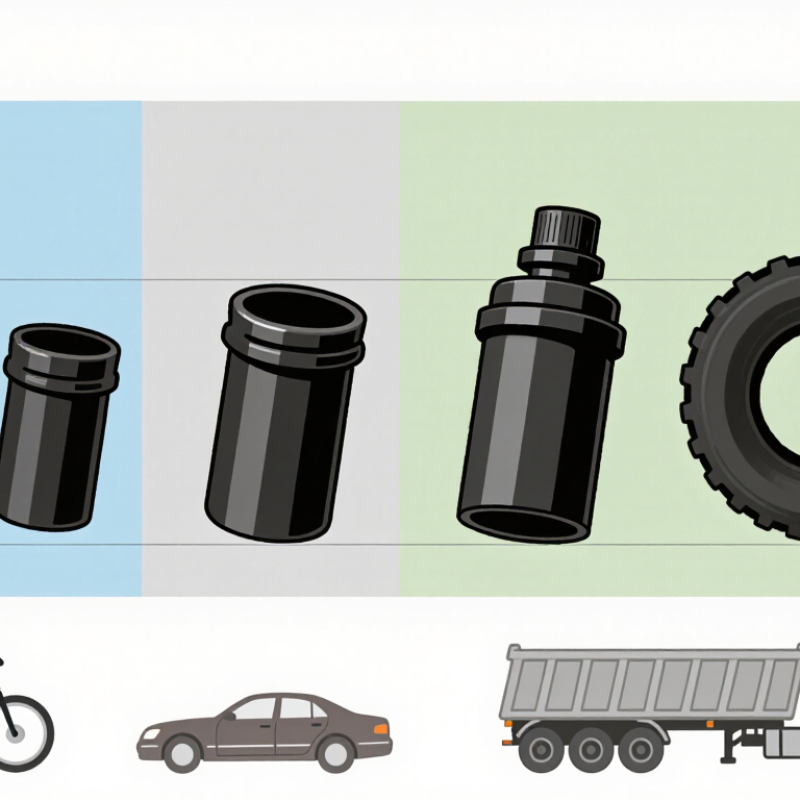
This guide compares common Butyl Cameras for bicycles, motorcycles, passenger vehicles, trucks, and agricultural equipment. It explains where standard, heavy-duty, and application-specific designs fit best. Look closely at the printed size, valve stem angle, and rubber thickness. Those small details can decide whether installation is smooth or frustrating. They also affect maintenance planning across different markets and vehicle fleets.

A useful buying rule is: “Match the tube to the tire, valve, and working conditions.” No verified expert quotation or source was provided, so I will not attribute that line to a named specialist. Buyers should also remember that thicker rubber is not automatically better. It may add durability, but weight, heat, and fit still deserve attention. Real operating conditions matter. Compare product specifications, request test documentation, and confirm dimensions before ordering in volume. A careful selection process helps reduce returns and keeps equipment ready for work.
Top Types of Butyl Cameras for Global Buyers

Understanding Butyl Inner Tubes and Their Role

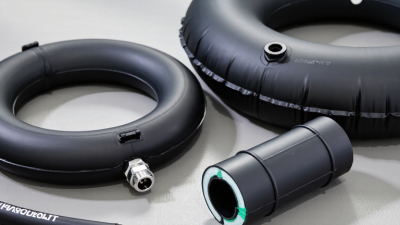
Butyl inner tubes hold air between a tire and its rim, helping maintain pressure and support a smooth ride. Butyl rubber is valued for its airtightness, flexibility, and relatively slow air loss. A tube must match the tire’s diameter and width range; a poor fit can crease inside the casing or stretch around the rim. Check the valve type and length too. A short valve can be awkward with deep rims. Small details matter.

Tips: Read the size printed on the tire sidewall before buying. Check that the valve sits straight through the rim hole, without rubbing against its edge. Inflate the tube slightly before installation; this helps prevent pinching under the tire bead. Do not overinflate it outside the tire. It can expand unevenly.

For global buyers, product descriptions should state tube material, compatible size range, valve options, and recommended pressure limits. Storage conditions also matter: prolonged heat and direct sunlight can affect rubber over time. Packaging that keeps tubes dry and protected is useful during long shipping routes. One easy oversight is assuming every tube marked “butyl” performs identically. Wall thickness, manufacturing consistency, and valve bonding can vary, so clear specifications are worth checking. A label alone may not tell the whole story.
Main Types of Butyl Inner Tubes by Vehicle and Equipment

Butyl inner tubes vary by vehicle, wheel size, load, and operating conditions. Bicycle tubes are lightweight and come in narrow road sizes or wider mountain-bike profiles. Match the tube’s size range to the tire marking, not just the rim diameter. Fit matters. Valve type and length must also suit the rim opening and rim depth.

Motorcycle and scooter tubes use thicker materials than many bicycle tubes, helping them handle higher speeds and heavier loads. Passenger-car tubes are less common because many modern wheels use tubeless tires; a tube should only be fitted when the tire and wheel are suitable for it. Not every wheel accepts one safely. Trucks, buses, and some commercial vehicles may use heavy-duty tubes designed for sustained loads, but correct sizing and installation are essential to limit heat buildup and chafing.

Agricultural and construction equipment often needs tubes for large, slow-moving tires used on rough ground. These tubes may have reinforced construction and valves positioned for practical inflation access. Buyers should check tire dimensions, rim compatibility, load rating, and valve details together. A size that looks close can still crease inside the casing. I have seen that small mismatch become a frustrating repeat repair, so checking the tire markings twice is worthwhile.

Top Types of Butyl Cameras for Global Buyers - Main Types of Butyl Inner Tubes by Vehicle and Equipment
Vehicle or equipment category Typical tube type Representative tire-size examples Valve considerations Selection and use notes
Bicycles Lightweight tubes for road, hybrid, and mountain-bike tires 700 × 25–32C; 26 × 1.95–2.125 in Presta and Schrader are common; match the valve to the rim opening and required stem length. Check the tire’s stated size range and wheel diameter. Tube width ranges vary by product.
Motorcycles and scooters Tubes sized for motorcycle or scooter tire profiles and loads 80/100-21; 120/90-18 Straight or angled stems may be used; stem style and angle must suit the rim and brake clearance. Confirm whether the wheel is designed for a tube. Some motorcycle tires and rims are tubeless-type systems.
Passenger cars Passenger-car replacement tube for compatible tube-type wheel and tire combinations Examples of tire markings: 175/70R13; 195/65R15 Valve design and stem length depend on the rim; verify the required specification before ordering. Many modern passenger-car tires are used tubeless. A tube should be fitted only when the tire, rim, and application are suitable.
Light commercial vehicles Reinforced tubes for compatible van and light-truck applications Examples of tire markings: 195/70R15C; 215/75R16C Choose the stem configuration specified for the wheel and allow adequate clearance. Check the tire’s load rating, tube size range, and whether the wheel assembly is intended for tube use.
Heavy trucks and buses Heavy-duty tube for tube-type commercial tire and rim assemblies Examples of tube-type tire markings: 10.00-20; 11.00-20 Valve base, stem angle, and stem length must match the rim, flap, and wheel position. Many current commercial tires are tubeless; confirm that the tire and multi-piece or one-piece rim are specified for tube-type service.
Agricultural tractors Agricultural tube for drive, front, or implement tires Examples: 12.4-28; 16.9-30 Stem position and shape vary with the wheel and tire; check access and protection from damage. Match the tube to the tire’s full size marking and intended service. Inflation pressure should follow equipment guidance.
Construction and earthmoving equipment Heavy-duty off-the-road (OTR) tube for compatible wheel assemblies Examples: 12.5/80-18; 17.5-25 Valve type, angle, and location are application-specific; confirm against the rim and flap configuration. Confirm tire size, load and operating conditions, and whether the assembly is tube-type before purchase.
Lawn, garden, and small utility equipment Compact tube for compatible mower, cart, and utility-equipment tires Examples: 4.10/3.50-4; 18 × 8.50-8 Select a stem that fits the rim opening and is accessible after installation. Check the sidewall marking carefully; small-tire size formats and tube width ranges can differ.

Size markings are representative examples, not a complete fitment list. Always verify tire and tube dimensions, rim compatibility, valve configuration, and the vehicle or equipment manufacturer’s instructions before installation.

How Valve Designs Differ Across Butyl Inner Tubes

How Valve Designs Differ Across Butyl Inner Tubes

A butyl inner tube’s valve must match the rim, not just the riding conditions. Straight rubber-stem valves are flexible and resist corrosion, while metal-stem designs are more rigid and may suit particular rim or pressure requirements. Bent stems can make inflation easier when spokes or a deep rim restrict access.

Small differences matter. A stem that clears one wheel may press awkwardly against another.

Check the rim’s valve-hole diameter, stem angle, and available clearance before ordering. Also confirm the valve base is seated evenly in the tube; a crooked base can create stress around the joint during inflation.

The International Rubber Study Group’s 2023 World Rubber Industry Outlook estimated global rubber demand at about 29.3 million tonnes in 2022. That broad figure does not isolate inner tubes, but it shows the scale of rubber use—and why material and component specifications deserve careful checking.

ISO 9413:2012 covers tyre-valve dimensions and designations, though buyers should still confirm the tube maker’s stated compatibility. One caveat: valve codes and fit can vary across markets, so a familiar code is not a substitute for measuring the rim.

Key Differences in Size, Thickness, and Construction

Butyl inner tubes differ in diameter, width range, wall thickness, and joint construction. Match the tube’s diameter to the tire, then check its stated width range. The ETRTO Standards Manual uses millimetre-based sizing; for example, 37-622 indicates a nominal 37 mm tire width and a 622 mm bead-seat diameter. ISO 5775 also standardizes bicycle tire and rim designations. That matters. A tube that stretches too far may be more vulnerable to damage, while an overly wide tube can fold inside the tire.

Thickness is a trade-off, not a simple quality ranking. Thinner walls reduce tube mass and pack smaller, but leave less material between the road and the air chamber. Heavier-duty tubes add rubber for rough service, though they increase carried weight. There is no single thickness that suits every tire size or riding condition, so buyers should compare published dimensions rather than rely on labels such as “standard” or “heavy duty.” Small differences count.

Construction deserves equal scrutiny. Check how the tube’s seam is joined, how the valve base is reinforced, and whether the valve length suits the rim depth. ASTM D412 specifies tensile testing for rubber, including strength and elongation; these test measures can help compare material data, but they do not guarantee puncture performance in use. A neat specification sheet can still miss real-world fit. Verify the tire’s size marking and inspect the tube’s stated range before ordering in bulk.

Top Types of Butyl Inner Tubes for Global Buyers

Representative common nominal wheel-rim diameter ranges by application

Bicycle, motorcycle, passenger-car, and truck tubes differ in size and construction. These ranges are indicative, not universal specifications: tube fit depends on the tire’s marked diameter and width. Butyl thickness and reinforcement also vary by product and are not fixed by application type, so check the tube and tire specifications before purchasing.

How Global Buyers Can Match Tube Types to Their Needs

Top Types of Butyl Cameras for Global Buyers

How Global Buyers Can Match Tube Types to Their Needs

Choosing a tube starts with the wheel, not the price list. Confirm the tire’s marked size, required pressure, valve type, and operating conditions. A few millimeters matter.

OICA’s 2023 production statistics record 93,546,599 motor vehicles worldwide; this is vehicle output, not tube sales, but it illustrates the range of markets buyers may serve. Different applications call for different tube specifications.

Standard butyl tubes suit many everyday bicycle and motorcycle uses, while thicker-wall options can better handle rough roads and heavier loads. Lightweight tubes reduce carried weight, but they may be less suitable for repeated impacts.

For agricultural or utility equipment, check tire dimensions, pressure, and heat exposure rather than choosing by “heavy-duty” labeling alone. Storage matters, too: prolonged heat and sunlight can affect rubber condition. I would still verify samples; catalog descriptions can be vague.

Tips: Match the valve to the rim opening and pump access. Check a sample for fit before ordering in bulk. Keep the tube folded loosely, away from sharp objects and direct sunlight. A simple checklist prevents costly mismatches.