Top 10 Applications of Butyl Rubber in China Explained?
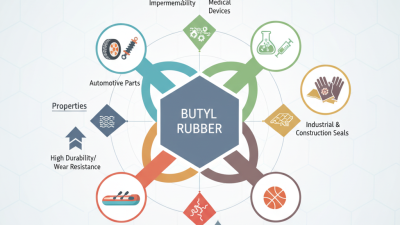
Butyl Rubber is an essential material in various industries due to its unique properties. Dr. Li Hua, a leading expert in polymers, once stated, "Butyl Rubber offers unmatched performance in sealing and insulation applications." This highlights the significance of Butyl Rubber in China’s manufacturing landscape.
In the automotive sector, Butyl Rubber is crucial for tire production, ensuring durability and performance. Its excellent impermeability to gases makes it ideal for tire inner linings. Beyond tires, Butyl Rubber plays a vital role in the construction industry. It is used in roofing membranes and sealants, protecting buildings from moisture and weather conditions.
The versatility of Butyl Rubber extends to medical supplies and consumer goods as well. Its biocompatibility makes it suitable for applications in healthcare. However, the industry still faces challenges, such as sustainability and recycling. As manufacturers innovate, the demand for Butyl Rubber continues to grow, prompting a need for sustainable practices. The future of Butyl Rubber in China looks promising but requires thoughtful consideration of environmental impacts.
Applications of Butyl Rubber in the Tire Industry in China
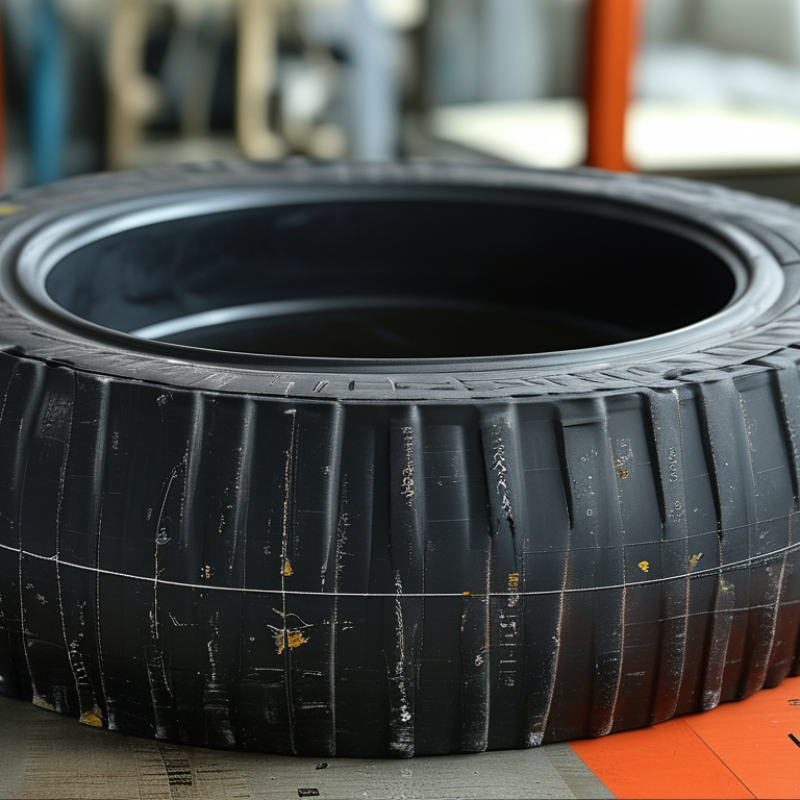
Butyl rubber plays a crucial role in the tire industry in China. Its unique properties make it an ideal choice for tire manufacturing. This synthetic rubber is known for its excellent air retention, which helps maintain tire pressure over time. Consequently, tires made with butyl rubber often have lower rolling resistance. This can result in improved fuel efficiency for vehicles.
The elasticity of butyl rubber enhances tire durability. Tires made from this material can withstand heavy loads and resist wear. However, there are challenges. The production process can be complex, and the sourcing of raw materials may pose issues. Manufacturers sometimes find it hard to balance quality and cost. Moreover, environmental considerations around synthetic rubber production are under scrutiny.
Butyl rubber's resistance to heat and aging is also significant. This ensures that tires maintain performance over longer periods. Nevertheless, the industry must continuously innovate. Exploring alternative materials and sustainable practices can help address these concerns. As the demand for greener solutions grows, the tire industry must adapt and evolve.
Butyl Rubber’s Role in Medical Equipment Manufacturing
Butyl rubber plays a crucial role in medical equipment manufacturing. Its unique properties, like excellent air retention and resistance to aging, make it ideal for various applications. According to a recent industry report, the demand for butyl rubber in healthcare has experienced a significant increase, with a compound annual growth rate (CAGR) projected at 5.1% over the next five years.
This synthetic rubber is commonly used in the production of gloves, seals, and medical bag linings. Its impermeability to gases safeguard sensitive medical substances. Furthermore, butyl rubber's biocompatibility ensures safety in applications involving direct contact with biological materials. However, adapting to new regulatory standards poses a challenge for manufacturers in the sector.
Tip: Always consider sourcing butyl rubber from certified suppliers. Quality assurance is critical in medical applications. Test materials thoroughly to avoid potential contamination.
Despite its advantages, there are some limitations with butyl rubber. For instance, it lacks high resilience compared to other elastomers. This can impact performance under certain conditions. Continuous innovation in material science aims to address such challenges, ensuring butyl rubber remains a leading choice in medical manufacturing.
Use of Butyl Rubber in Construction Materials in China
Butyl rubber has emerged as a vital component in construction materials across China. Its impressive moisture resistance and low permeability make it ideal for various applications. In roofing, butyl rubber membranes create effective barriers against water. These membranes help protect buildings from leaks and moisture damage.
In concrete mixtures, butyl rubber enhances flexibility and durability. It contributes to better shock absorption, which is essential in earthquake-prone areas. However, the integration of butyl rubber in construction isn't without challenges. Its cost can be higher than traditional materials, which may deter some developers. Moreover, proper installation is crucial; improper application could lead to failure in performance.
The use of butyl rubber in sealants is another notable application. These sealants provide excellent adhesion and longevity. They are critical in window installations and joint sealing. Yet, the long-term environmental impact of butyl rubber requires ongoing research. Builders need to remain aware of its sustainability aspects while leveraging its advantages. Each of these applications illustrates the complexities and potential of butyl rubber in construction materials.
Butyl Rubber in Consumer Goods: Applications and Innovations
Butyl rubber has garnered significant attention in the consumer goods sector due to its unique properties. This synthetic rubber is known for its excellent airtightness and resistance to weathering. Many innovations stem from these qualities. For example, it is widely used in adhesive formulations, providing strong bonds while maintaining flexibility. This characteristic is crucial for products ranging from footwear to household items.
Packaging materials also benefit from butyl rubber. Its impermeability makes it ideal for keeping goods fresh. Food packaging, in particular, leverages these attributes. However, challenges exist. The environmental impact of butyl rubber production raises questions about sustainability. Innovators are exploring greener alternatives while maintaining quality. This balancing act reflects the ongoing debate in the industry.
Consumer preferences evolve rapidly. Many are now seeking eco-friendly products. Manufacturers must adapt to these trends while ensuring high performance. The interplay of consumer demands and material properties creates a dynamic landscape in the industry. This ongoing challenge drives further innovations, pushing the boundaries of what butyl rubber can achieve in everyday items.
Top 10 Applications of Butyl Rubber in China Explained
| Application |
Description |
Innovation |
Market Share (%) |
| Tires |
Used in inner tubes and tire linings due to its air retention properties. |
Enhanced fuel efficiency through reduced air loss. |
40 |
| Adhesives |
Solvent-based and water-based adhesives for various applications. |
Improved adhesion strength and versatility. |
15 |
| Medical Supplies |
Usage in gloves and medical tubing due to low permeability. |
Biocompatible formulations for enhanced safety. |
10 |
| Sealants |
Used in construction and automotive sealing applications. |
Long-lasting waterproof performance. |
5 |
| Vibration Dampening |
In automotive parts to reduce noise and vibration. |
Advanced formulations for better performance. |
7 |
| Rubber Bands |
Commonly used in office and packaging applications. |
Enhanced elasticity and durability. |
3 |
| Sporting Goods |
Used in products like balls and racquets. |
Improved grip and shock absorption. |
5 |
| Insulation |
Electric insulation materials for wires and cables. |
Enhanced thermal and electrical properties. |
3 |
| Footwear |
Used in soles and boots for flexibility and comfort. |
Lightweight and durable materials. |
3 |
| Coatings |
Applied as protective coatings for various surfaces. |
Enhanced UV and chemical resistance. |
2 |
Environmental Impact and Recycling of Butyl Rubber in China
The environmental impact of butyl rubber is a complex issue in China. This synthetic rubber, widely used in tire production, has significant implications for sustainability. A report from the China Rubber Industry Association highlights that butyl rubber accounts for about 30% of total rubber consumption in the country. Its production process is energy-intensive and emits greenhouse gases, contributing to climate change.
Recycling of butyl rubber presents both challenges and opportunities. According to industry data, only 20% of butyl rubber is currently recycled in China. This low figure raises concerns about resource waste. Efforts are underway to improve recycling technologies. Developing pyrolysis methods could enhance recycling rates and reduce environmental damage. However, the high cost of recycling facilities remains a barrier.
The limited knowledge regarding the impacts of improper disposal is concerning. Butyl rubber takes years to decompose in landfills. There is a growing need for public awareness campaigns on proper disposal methods. Educating consumers about recycling options can help reduce waste. Striking a balance between industry growth and environmental responsibility is crucial.