Butyl Rubber Buying Tips for Global Purchasers?
In the competitive landscape of industrial materials, Butyl Rubber stands out due to its unique properties and applications. This synthetic rubber is valued for its impermeability to gases, making it essential in various industries, including automotive and construction. According to a recent report from MarketsandMarkets, the global Butyl Rubber market is projected to reach USD 3.5 billion by 2025, driven by increasing demand in tire manufacturing and other key sectors.
Purchasing Butyl Rubber requires a keen understanding of specifications, supplier reliability, and market trends. Industry experts recommend evaluating suppliers based on their certifications and production processes. A reliable supplier can provide consistent quality, which is crucial for applications demanding high performance. As the market evolves, potential buyers should remain aware of fluctuating prices and innovations in production methods that can affect availability and pricing.
However, navigating this market is not without challenges. There are variations in grades and formulations, which can affect performance in specific applications. Buyers must assess their unique needs carefully. It's crucial to communicate openly with suppliers to ensure the product meets the necessary standards. While the future looks promising for Butyl Rubber, awareness of market dynamics is essential for making informed purchasing decisions.

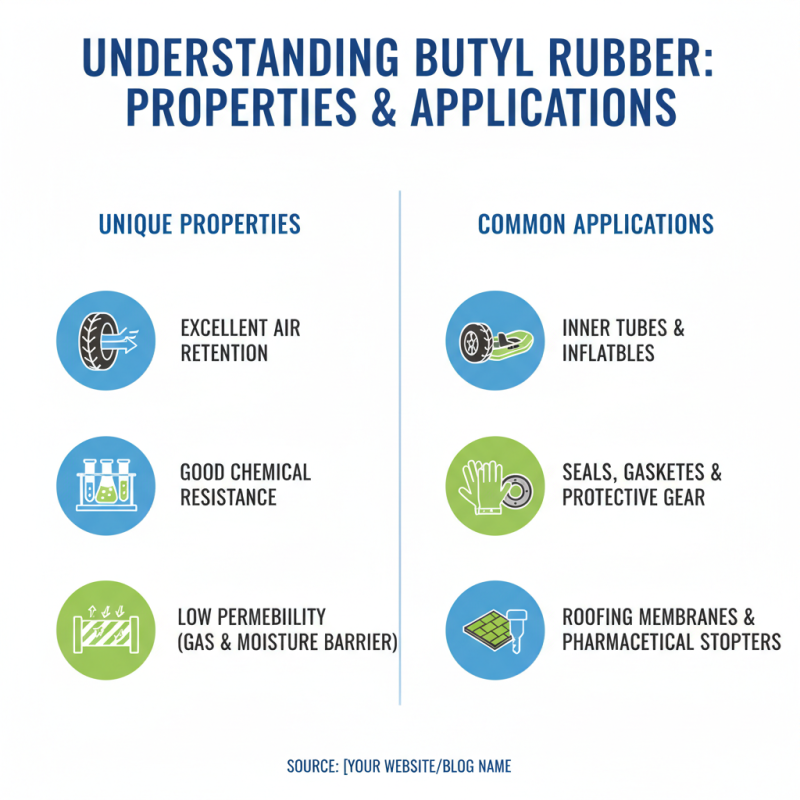
Understanding Butyl Rubber: Properties and Applications
Butyl rubber is a synthetic rubber with unique properties. It is known for excellent air retention, making it ideal for products like inner tubes and inflatable items. This rubber type also exhibits good chemical resistance, which is useful in various industries. The low permeability of butyl rubber helps prevent gas and moisture from passing through.
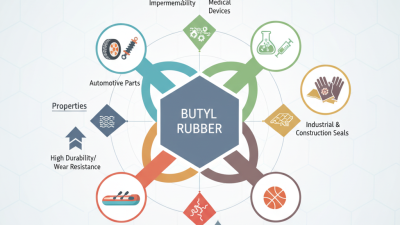
In terms of applications, butyl rubber is used widely in automotive, construction, and medical sectors. Its ability to resist aging and weathering extends the life of products. However, not all grades of butyl rubber are created equal. Some may lack certain properties, which could impact their performance. It is essential to assess specific needs before making a purchase. Buyers should also consider the environmental impact and sustainability of sourcing butyl rubber.
Investing in butyl rubber should involve careful consideration. Buyers must ensure the quality meets industry standards. Relationships with suppliers should be based on reliability. Understand the material's limitations, as improper use can lead to failure. Engaging with knowledgeable professionals can help guide purchasing decisions and mitigate risks.
Identifying Reliable Suppliers for Butyl Rubber
Finding reliable suppliers for butyl rubber is crucial for any global purchaser. Start by evaluating potential suppliers based on their experience. Companies with a long-standing presence often demonstrate stability and reliability. Check if they have certifications that attest to their quality management systems. This can help ensure that they adhere to industry standards.
Next, consider the geographical location of the supplier. Proximity may reduce shipping costs and lead times. It is also worth assessing their production capacity. Can they meet your demands during peak seasons? A trustworthy supplier should be transparent about their production processes and lead times.
Engage in direct communication with potential suppliers. Ask specific questions about their sourcing of raw materials and manufacturing techniques. Pay attention to their responsiveness. A supplier who values your inquiries demonstrates commitment. Request samples to evaluate the quality of their butyl rubber. This step often reveals much about their reliability and quality assurance practices.
Butyl Rubber Buying Tips for Global Purchasers - Identifying Reliable Suppliers for Butyl Rubber
| Supplier Region |
Material Grade |
Quality Certifications |
Minimum Order Quantity |
Lead Time |
| Asia |
Standard Butyl |
ISO 9001, REACH |
1 Ton |
3-4 Weeks |
| North America |
High Molecular Weight |
ASTM D2000, FDA |
500 kg |
2-3 Weeks |
| Europe |
Low Solubility |
ISO 14001, REACH |
1 Ton |
4-6 Weeks |
| South America |
Halogenated |
ISO 9001 |
300 kg |
5-7 Weeks |
| Africa |
Reinforced Butyl |
AAAA, FDA |
1.5 Ton |
6-8 Weeks |
Key Considerations When Negotiating Prices for Butyl Rubber
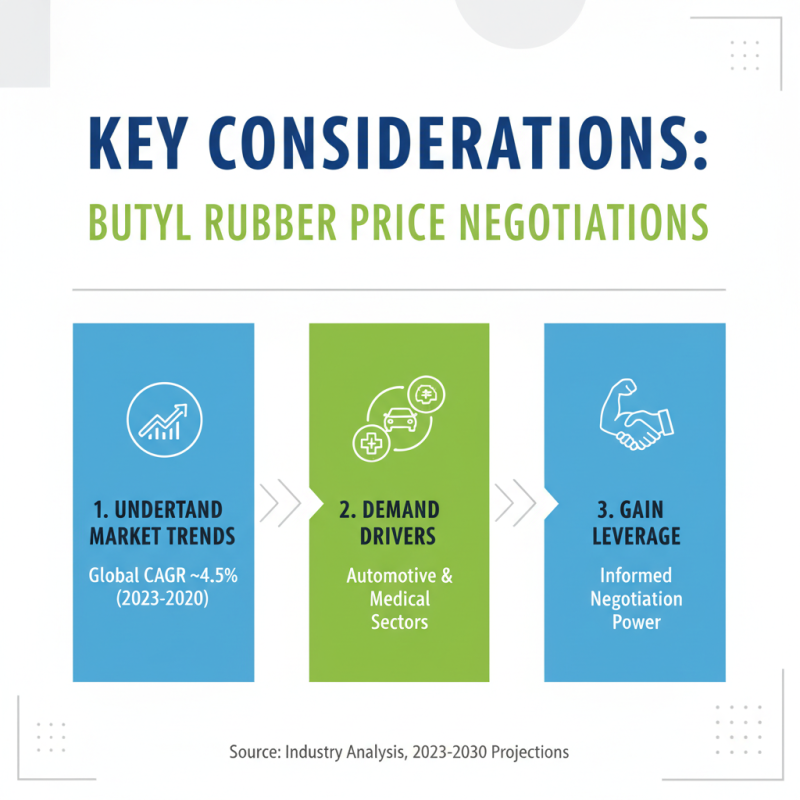
When negotiating prices for butyl rubber, understanding market trends is crucial. The global butyl rubber market is projected to grow at a CAGR of around 4.5% from 2023 to 2030, driven by increased demand in the automotive and medical sectors. Recognizing these trends can provide leverage in price negotiations.
Tip 1: Research current market prices thoroughly. It's essential to compare prices from multiple suppliers. This not only informs your negotiation but also helps in identifying competitive offers.
Another key factor is the quality of the butyl rubber being sourced. Different grades serve unique applications, and price discrepancies can often reflect these variations. According to a recent industry report, high-grade butyl rubber can command a premium of 15% to 20% over standard grades. Therefore, establishing specific requirements can help avoid overpaying for unnecessary quality levels.
Tip 2: Clearly define product specifications. This includes viscosity, purity, and processing characteristics. Such clarity can aid in precise negotiations and prevent misunderstandings.
However, it’s vital to maintain flexibility in negotiations. Market conditions can change abruptly, influencing availability and pricing. Keeping an open line of communication with suppliers helps to navigate these fluctuations effectively.
Tip 3: Be prepared to explore alternative suppliers. A robust network allows you to compare offers and ensures you secure the best possible deal.
Quality Testing Standards for Butyl Rubber Procurement
When procuring butyl rubber, quality testing is essential. Various standards guide the assessment of its properties. Buyers should prioritize checking for elasticity, aging resistance, and air impermeability. These characteristics determine the rubber's performance in various applications, from automotive to medical industries.
Methods like the Mooney viscosity test provide insights into the rubber's processing behavior. Temperature stability is another critical factor. Conducting thermal aging tests helps predict the rubber's lifespan under heat stress. However, results can vary based on testing conditions and sample handling, so consistency in testing is crucial. It’s vital for purchasers to remain vigilant about these variables.
Additionally, adherence to international testing protocols, such as ASTM or ISO, can enhance the reliability of the results. While these standards offer a framework, there can still be discrepancies between suppliers. This inconsistency underscores the importance of comprehensive supplier audits. Establishing a relationship with trustworthy suppliers fosters better quality assurance. Engaging in proactive communication also helps clarify expectations. Test results should always be scrutinized, even from reputed sources.
Butyl Rubber Quality Testing Standards
Evaluating Shipping and Logistics for Butyl Rubber Purchases
Shipping and logistics play a crucial role in butyl rubber purchases. Effective planning can lead to significant cost savings. Understanding various shipping modes is essential.
Air freight is faster but often more expensive. On the other hand, ocean freight is economical but has longer transit times. Both options come with unique challenges.
Evaluating potential suppliers requires attention to detail. Verify their shipping capabilities and logistics efficiency. Ask for references from other clients. This helps in assessing reliability.
Gaps in communication can lead to delays. Be clear about your expectations. Discuss deadlines upfront to avoid misunderstandings.
Moreover, consider warehousing options. Storing butyl rubber close to your operations can reduce waiting times. However, manage your inventory effectively.
Excess stock can lead to unnecessary costs. Inspection and quality control must be a priority during shipping. Flaws can arise during transit.
Implementing robust quality checks is vital. This will ensure you receive products as promised.