How to Use Butyl Rubber for Maximum Performance in Various Applications?
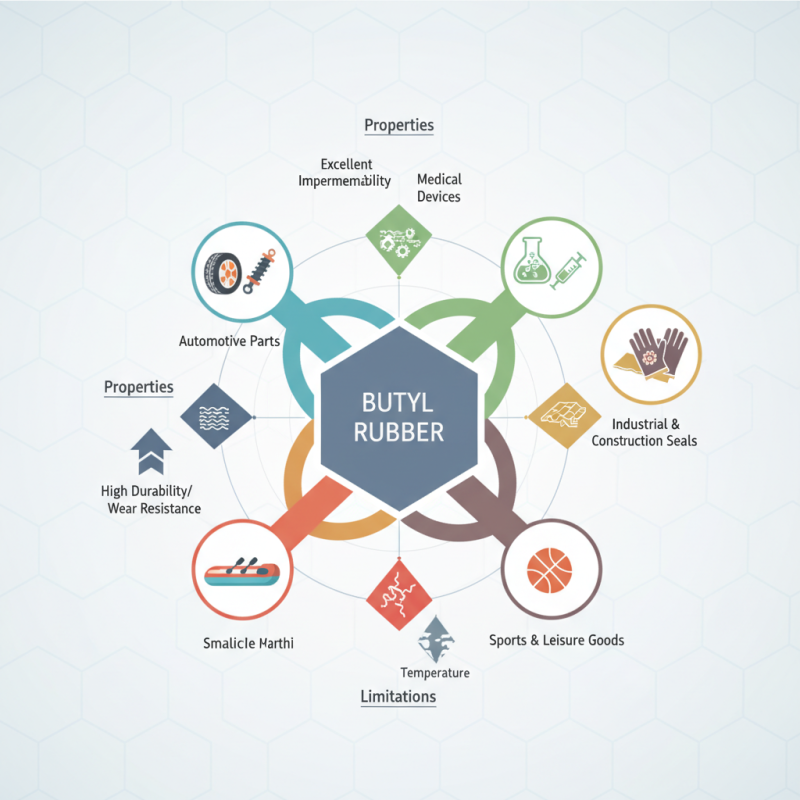
Butyl Rubber is a versatile material known for its excellent impermeability and durability. It is widely used in various applications, from automotive parts to medical devices. Understanding how to maximize its performance is crucial for engineers and manufacturers alike.
This guide delves into effective strategies for using Butyl Rubber in different fields. We will explore its unique properties, such as its resistance to wear and weathering, which make it especially valuable in demanding environments. Users often underestimate its adaptability, leading to suboptimal applications.
Moreover, recognizing the limitations of Butyl Rubber is equally essential. Those who use it need to be aware of its physical properties and potential drawbacks. This will allow for better decision-making and design choices, paving the way for its effective application in diverse industries. By learning how to harness the potential of Butyl Rubber, users can achieve outstanding results in their projects.
Understanding Butyl Rubber: Properties and Characteristics
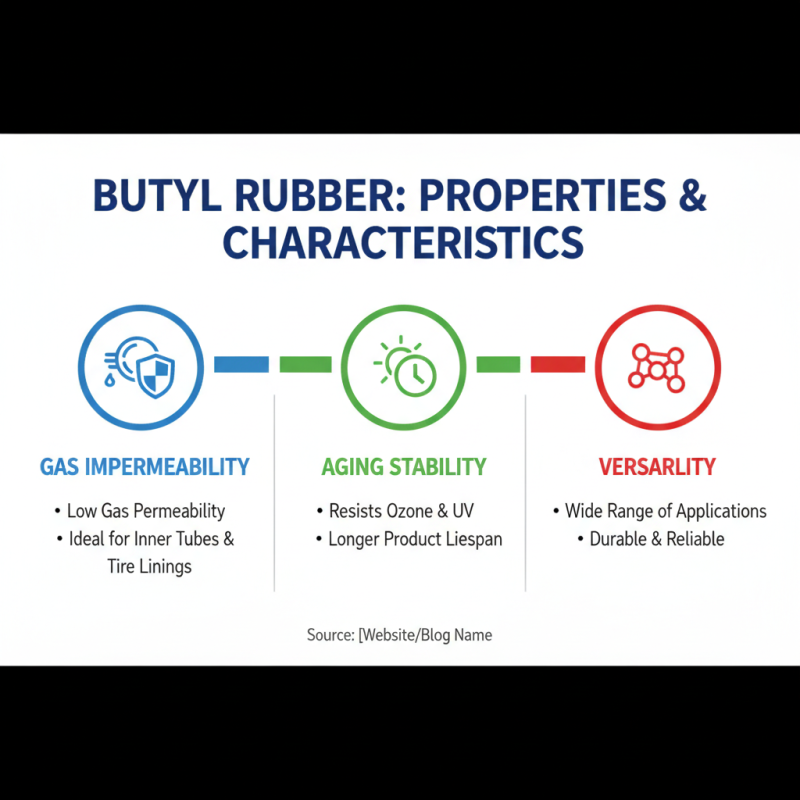
Butyl rubber offers unique properties that enhance its versatility in various applications. This synthetic rubber boasts excellent impermeability to gases. Its low gas permeability makes it ideal for inner tubes and tire linings. Butyl rubber also exhibits good aging stability, resisting degradation from ozone and UV exposure. This durability means products last longer and require less frequent replacement.
Despite its advantages, the material has limitations. Butyl rubber is not as elastic as natural rubber. This reduced elasticity can affect performance in certain applications. It may not withstand heavy loads as well as other materials. Additionally, while it offers decent resistance to chemicals, it's not universally compatible. Some aggressive solvents can cause swelling or degradation. Users need to be aware of these factors when selecting butyl rubber for specific uses. Proper testing can ensure optimal performance and longevity in real-world applications.
Key Applications of Butyl Rubber in Different Industries
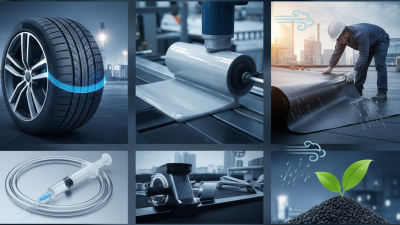
Butyl rubber is a versatile material widely used in numerous industries. Its unique properties, such as excellent impermeability to gases and superior weather resistance, make it ideal for various applications. According to recent reports, the global butyl rubber market is projected to grow at a compound annual growth rate (CAGR) of 5.6% between 2021 and 2028. This growth highlights its increasing demand in key sectors like automotive, healthcare, and construction.
In the automotive industry, butyl rubber is commonly used in tire manufacturing due to its air retention qualities. Data shows that around 70% of butyl rubber production is dedicated to this sector. However, the reliance on butyl rubber also poses challenges. For instance, the continuous push for sustainable materials raises concerns about the environmental impact of traditional butyl rubber production. In healthcare, butyl rubber’s application in drug packaging and seals ensures that critical pharmaceuticals remain uncontaminated. Still, the high processing temperatures required can lead to variations in quality, warranting careful monitoring.
Construction benefits from butyl rubber as well, particularly for roofing membranes and sealants. It offers excellent durability and resistance to UV radiation. However, its performance can be compromised under extreme temperature fluctuations. As industries evolve, the focus should remain on enhancing the material’s properties while addressing these challenges.
Key Applications of Butyl Rubber in Different Industries
Best Practices for Utilizing Butyl Rubber in Manufacturing
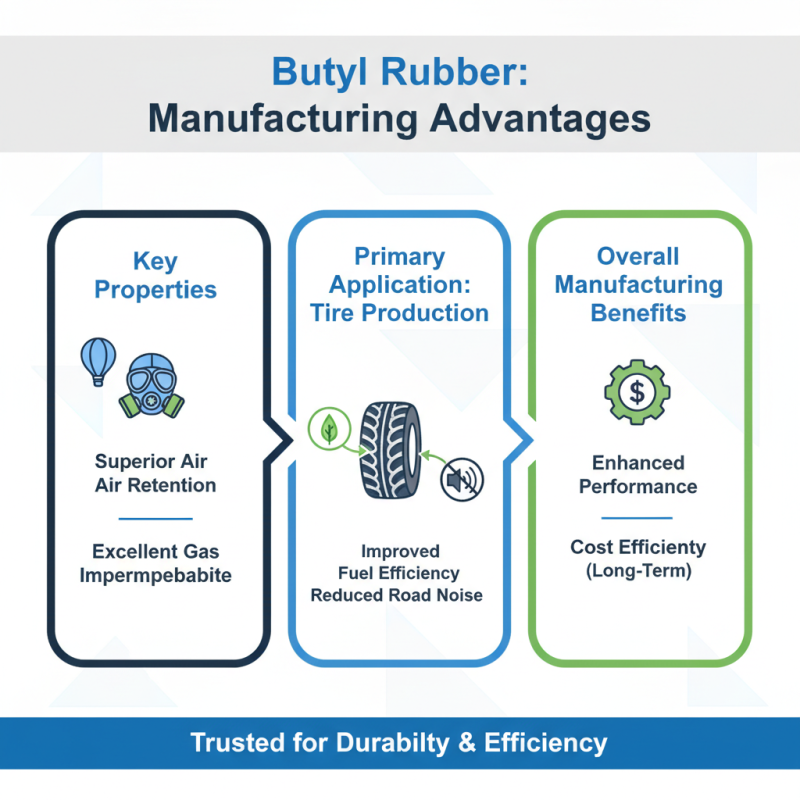
Butyl rubber is widely recognized for its exceptional performance across various applications. In manufacturing, its unique properties offer significant advantages. According to a recent industry report, butyl rubber exhibits superior air retention and excellent impermeability to gases, making it ideal for tire production. Tires made from butyl rubber can improve fuel efficiency and reduce road noise.
When utilizing butyl rubber, it is crucial to consider temperature fluctuations. This material performs well in a range of conditions but can lose elasticity in extreme heat or cold. Testing in real-world applications reveals that a consistent operating temperature enhances durability and performance. Manufacturers must monitor these conditions closely to achieve optimal results.
Proper storage of butyl rubber also plays a key role in its effectiveness. Keeping it away from sunlight and heat sources prevents degradation. Regular inspections can identify potential weaknesses. Despite its many advantages, not all applications benefit equally from butyl rubber. Some users report challenges with its adhesion properties when bonding with other materials. Addressing these concerns requires a deep understanding of material compatibility, underscoring the need for thorough testing.
Enhancing Performance: Tips for Maintaining Butyl Rubber Products
Butyl rubber is an exceptional material used in various applications, from automotive seals to medical devices. To truly enhance its performance, meticulous maintenance is essential. Studies indicate that regular inspection and proper storage significantly contribute to the longevity of butyl rubber products.
Tips: Keep butyl rubber away from direct sunlight. Exposure can degrade its properties. Additionally, maintain a consistent temperature in storage areas. Fluctuations can lead to cracks over time.
In the realm of performance, cleanliness is crucial. Dirt and chemicals can compromise the integrity of butyl rubber. A report from the Rubber Manufacturers Association states that contaminants can reduce lifespan by up to 30%. Regular cleaning with mild detergents keeps surfaces free from damaging substances.
Tips: Periodically examine joints and connections. These areas are more prone to wear. Addressing any signs of damage early can prevent costly replacements and ensure optimal functionality.
How to Use Butyl Rubber for Maximum Performance in Various Applications? - Enhancing Performance: Tips for Maintaining Butyl Rubber Products
| Application |
Benefits of Butyl Rubber |
Maintenance Tips |
| Automotive Seals |
Excellent air impermeability and durability |
Regularly inspect for cracks and maintain cleanliness |
| Sporting Goods |
High elasticity and tear resistance |
Store away from direct sunlight to prevent degradation |
| Sealants and Adhesives |
Excellent adhesion to various substrates |
Keep containers tightly sealed to prevent drying out |
| Medical Applications |
Non-reactive and safe for contact with body fluids |
Sterilize products before use to ensure safety |
| Construction Materials |
Weather-resistant and long-lasting performance |
Store in a cool, dry place to maintain material integrity |
Comparative Analysis: Butyl Rubber vs. Other Elastomers in Applications
Butyl rubber stands out among elastomers for its unique properties. Its low gas permeability makes it ideal for tire applications. This characteristic helps maintain air pressure, ensuring better fuel efficiency. Additionally, butyl rubber exhibits excellent aging resistance and durability. These attributes are often crucial in manufacturing high-performance seals and gaskets.
When comparing butyl rubber to other elastomers, such as natural rubber or silicone, distinct advantages emerge. Natural rubber provides superior elasticity but is susceptible to environmental degradation. In contrast, silicone excels in high-temperature applications but generally lacks the low permeability of butyl rubber. For many industries, butyl rubber strikes a balance between performance and longevity, though it may not suit every application.
Investors and manufacturers must consider specific requirements when choosing materials. While butyl rubber serves well in many scenarios, it may not be the best choice for dynamic applications requiring high resilience. Reflecting on these factors is vital for optimizing material selection. Understanding the strengths and limits of each elastomer leads to better product outcomes.