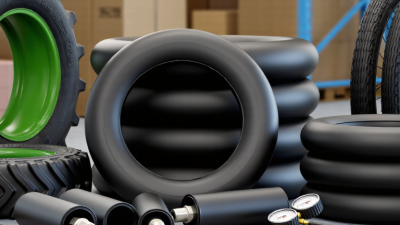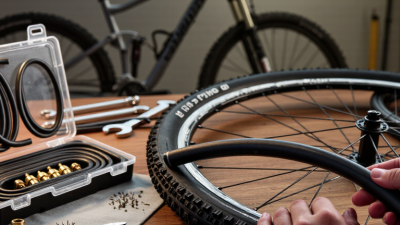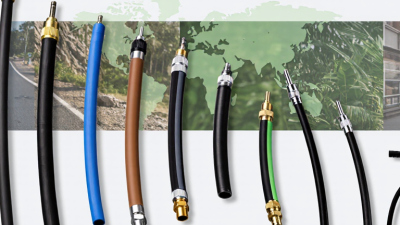

Choosing an Interior Tube manufacturer is not just a price comparison. Buyers need to assess material consistency, dimensional tolerances, surface finish, production capacity, and quality controls. A tube may look flawless under showroom lighting, yet a slight variation can affect assembly or performance. Details matter.
Quality expert Joseph M. Juran is often credited with the principle, “Quality does not happen by accident; it must be planned.” That idea applies to supplier evaluation, too. A dependable manufacturer should explain its inspection process, provide clear technical documentation, and discuss realistic lead times. Samples can help, but they do not replace checks on repeatability across production batches.
This guide introduces ten Chinese manufacturers for global buyers and compares the practical factors behind supplier selection. It considers product range, customization, manufacturing capabilities, and communication—not just headline claims. No ranking can guarantee a perfect fit for every project. Buyers should confirm specifications, test samples where appropriate, and review current supplier information before making decisions. That extra work may feel slow. It can also reveal gaps that a polished catalog leaves out.
Inner tube selection starts with the application, not the price. Butyl tubes are widely used for air retention, while natural-rubber compounds are valued for elasticity. Some buyers also consider thermoplastic polyurethane tubes for weight-sensitive uses. The International Rubber Study Group’s 2024 outlook projected global natural-rubber demand at about 15.6 million tonnes, a useful signal of supply-chain scale—not a guarantee of tube quality. Small details matter.
Check the marked tube size against the tyre’s stated size, then confirm valve type and length, permitted pressure, and dimensional tolerances. For material comparison, ASTM D412 measures tensile properties, while ASTM D624 tests tear strength. These methods support consistent evaluation; they do not replace checking a finished tube for seams, pinholes, and fit. A material grade alone cannot predict service life. That comparison is imperfect, and operating heat, load, and storage can change results.
Tips: Request the manufacturer’s test method, batch traceability, and sample inspection records. Compare tubes under the same conditions, including inflation pressure and temperature. Ask whether quoted dimensions refer to the inflated tube or nominal tyre size; this point is easy to overlook. Pressure should follow the tyre and rim specifications, not a generic tube listing.

Butyl and natural rubber are common material choices for inner tubes. The chart shows typical density ranges for unfilled base polymers; the bars plot each range’s midpoint. Finished compound density varies with fillers, additives, and formulation, so buyers should confirm specifications with suppliers.
China’s leading inner-tube manufacturers serve bicycle, motorcycle, passenger-vehicle, and industrial markets. Their product ranges differ in material, valve type, dimensions, and puncture protection. Capacity figures need careful reading: nameplate capacity is not the same as verified annual output. A factory visit or recent production records can help buyers assess the difference.
The International Rubber Study Group’s 2024 World Rubber Industry Outlook projected global rubber demand to grow 2.8% that year. This is a broad market indicator, not a forecast for inner tubes alone. Export reach can be checked through UN Comtrade data under HS 4013, which covers rubber inner tubes. Compare reported export value and weight with a supplier’s shipment history. Treat rankings as provisional; public data can lag, and capacity claims are not always independently verified.
Tips: Request specifications for tube size, valve, material, and packaging, plus recent inspection records. Ask for samples from the production line you plan to order from. Small details matter. A polished catalogue does not prove consistent output.
When evaluating interior tubes, ask suppliers for recent ISO 37 tensile test reports. These tests measure properties such as tensile strength and elongation at break. Together, results help show whether rubber can stretch without tearing during fitting or use. Check that samples match the offered tube compound and production batch. A report without traceable sample details is less useful. Small paperwork gaps matter.
Tips: Request test date, specimen dimensions, conditioning details, and actual results—not only a pass statement. Compare reports across suppliers using the same test conditions.
ISO 188 heat aging assesses how rubber properties change after exposure to elevated temperatures over a defined period. Ask for the aging temperature and duration, then compare tensile strength and elongation before and after exposure. These figures can help flag compounds that harden or lose flexibility. They do not, by themselves, predict every field condition. No test tells the whole story. Review storage, operating temperatures, and tube construction alongside lab data. Supplier quality checks are stronger when the test method, sample identity, and acceptance limits are agreed before production, rather than discussed after a discrepancy appears.
For global buyers comparing China’s interior tube manufacturers, the quoted size is only a starting point. Check the tire’s size range, tube material, wall thickness, and intended use. A tube that looks right on a specification sheet may still fold or stretch poorly during installation. Small details matter. Ask for a sample and inspect the molded size markings and seam finish before approving production.
Valve choice affects fit and serviceability. Straight rubber valves suit many standard applications, while metal or angled valves may be needed where clearance is limited. Confirm the valve diameter, angle, stem length, and position against the wheel drawing. This step is easy to overlook. It can also cause avoidable delays when samples reach the assembly line.
AQL sampling should be agreed in writing, including the inspection level, defect categories, and acceptance limits. Sampling helps assess a batch; it does not prove every tube is flawless. Buyers should also request the inspection record and clarify how nonconforming lots are handled. Production lead times vary with order quantity, compound availability, tooling, and seasonal demand. Ask for separate estimates for sampling and bulk production, then add time for freight and inspection. One uncertainty remains: schedules can shift when material supply changes, so a single promised date deserves a clear explanation.
Global buyers comparing interior tube manufacturers should verify each supplier’s documents against the exact material, finish, and intended application. Request current certificates, scope pages, and inspection records. A certificate alone cannot prove every production line follows identical controls. Confirm dimensions, wall thickness, material grade, surface tolerance, and traceability details in writing. Small mismatches can delay installation.
Ask for production samples, not polished showroom pieces. Measure outside diameter and wall thickness with calibrated tools. Inspect cut edges and weld consistency, and test finish adhesion where relevant. Record the test method and acceptance range before approval. Test it twice. Results can vary between batches, and a sample is only a snapshot.
Tips: Mark sample pieces with the date and batch reference, then keep one sealed control sample. Photograph packaging before dispatch. Request a packing list showing bundle counts, lengths, gross weight, and protective materials. For long-distance shipping, check moisture barriers, corner protection, and container loading plans. Confirm delivery terms, insurance responsibilities, and document handover with the supplier and freight partner. These checks reduce avoidable disputes, though no checklist replaces independent inspection for a high-value order. A neat sample does not guarantee a neat shipment.
Buyer due-diligence matrix: This is a practical screening checklist, not a verified ranking or a set of company-specific claims. Confirm requirements against the tube material, application, destination market, and purchase contract.
| No. | Due-Diligence Area | What to Verify | Evidence or Test | Buyer Action / Acceptance Guidance |
|---|---|---|---|---|
| 1 | Product and process scope | Confirm whether the supplier makes welded, seamless, cold-drawn, or formed tubes, and whether it controls cutting, bending, polishing, or coating in-house. | Process flow, equipment list, production records, and a live or third-party facility audit. | Match the process to the drawing and application. Identify subcontracted operations and require approval before process or site changes. |
| 2 | Quality management certification | Check whether an ISO 9001 certificate is current and covers the actual manufacturing site and relevant product activities. | Certificate copy plus verification with the issuing certification body or its official registry. | Treat certification as evidence of a management system, not as proof that a specific tube shipment meets its specification. |
| 3 | Material traceability | Verify grade, heat or batch identification, and traceability from incoming coil or billet to finished tube. | Material certificate, purchase records, heat-number mapping, and inspection records. EN 10204 Type 3.1 may be specified by contract where applicable. | Require certificates to match the ordered grade and batch; confirm how identification will remain legible after cutting and packing. |
| 4 | Dimensions and tolerances | Specify outside diameter or width/height, wall thickness, length, straightness, ovality, corner radius, and tolerance limits as relevant. | Approved drawing, calibrated measuring tools, inspection plan, and dimensional report for the production lot. | Put units, measurement locations, tolerance standards, and sampling frequency in the purchase specification; avoid relying on “standard tolerance” without a reference. |
| 5 | Sample testing | Assess fit, finish, dimensions, and performance using samples made from the proposed material and process. | Signed sample approval, dimensional inspection, and application-relevant tests such as tensile, hardness, flattening, or bend testing when specified. | Agree sample quantity and test method in advance. A prototype or pre-production sample does not replace inspection of the mass-production lot. |
| 6 | Applicable standards and compliance | Confirm the exact product standard and destination-market requirements. Examples for certain steel tubes include EN 10305 series or ASTM A513, depending on product type and application. | Contract specification, material and test reports, and any destination-specific declarations or restricted-substance documentation required for the end use. | Do not assume one standard fits every tube. CE marking is not a blanket requirement for all tubes; check whether a specific regulation applies to the finished product and intended use. |
| 7 | Surface finish and protection | Define finish, roughness or appearance criteria, coating type and thickness where applicable, and acceptable limits for scratches, rust, burrs, or weld marks. | Approved finish sample, inspection criteria, coating records, and agreed corrosion or adhesion tests where needed. | Specify whether the product is for indoor or outdoor use and whether protective oil, film, caps, or other temporary protection is acceptable. |
| 8 | Export packaging and marking | Check bundle stability, end protection, moisture protection, corrosion prevention, weight limits, and clear package identification. | Packaging specification, packing-list format, package photos, and a pre-shipment packing inspection. | For wood packaging used in international trade, verify applicable ISPM 15 treatment and marking requirements. Agree package marks and handling instructions before production. |
| 9 | Pre-shipment inspection and documents | Confirm inspection timing, defect classification, lot sampling, and the documents needed for customs clearance and receiving. | Inspection report, commercial invoice, packing list, transport document, certificate of origin if required, and agreed test certificates. | Set acceptance criteria and remedy for nonconforming goods in the contract. Verify tariff classification and import documentation with a customs broker for the destination country. |
| 10 | Shipping, lead time, and trade terms | Confirm production lead time, port or pickup point, shipment mode, cargo dimensions and weight, insurance responsibility, and delivery schedule. | Written production schedule, freight quotation, booking details, and agreed delivery term under Incoterms® 2020. | Name the precise place in the chosen Incoterm. Compare total landed cost, including freight, insurance, duties, and inland delivery, rather than comparing unit price alone. |
Note: Standards and compliance obligations depend on material, product design, intended use, and destination market. Confirm current requirements with the buyer’s technical team, testing laboratory, and customs adviser before placing an order.