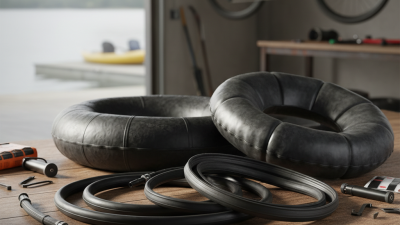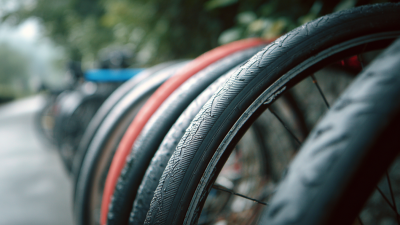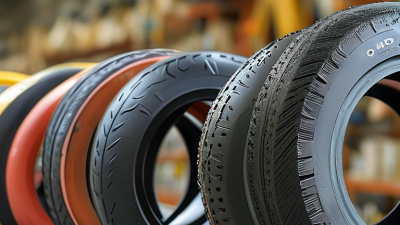

Choosing the right Interior Tubo in 2026 is less about picking the cheapest option and more about matching the tube to the tire, rim, and ride. A tube that fits poorly can pinch beneath the tire bead. One that is too narrow may stretch thin; one that is too wide can fold during installation. Small details matter.
Check the tire’s printed size before buying. A label such as 700 × 28C or 29 × 2.25 inches gives you a starting point. Then confirm the valve type and length. A deep-section rim may need a longer valve stem. It is an easy detail to miss. Also consider material: standard butyl is affordable and holds air reliably, while latex can feel supple but usually needs more frequent inflation. Neither is right for every rider.
As cycling mechanic Sheldon Brown’s practical approach to maintenance suggests, compatibility and careful fitting matter more than marketing claims. This guide applies that principle to choosing an Interior Tubo, with clear checks for size, valve, material, and riding conditions. A short inspection can prevent a long roadside stop. Still, product labels are not always consistent, and even experienced riders make sizing mistakes. Check the manufacturer’s fit range, inspect the rim tape, and inflate gradually after installation. Your route, load, and local repair options should influence the final choice.
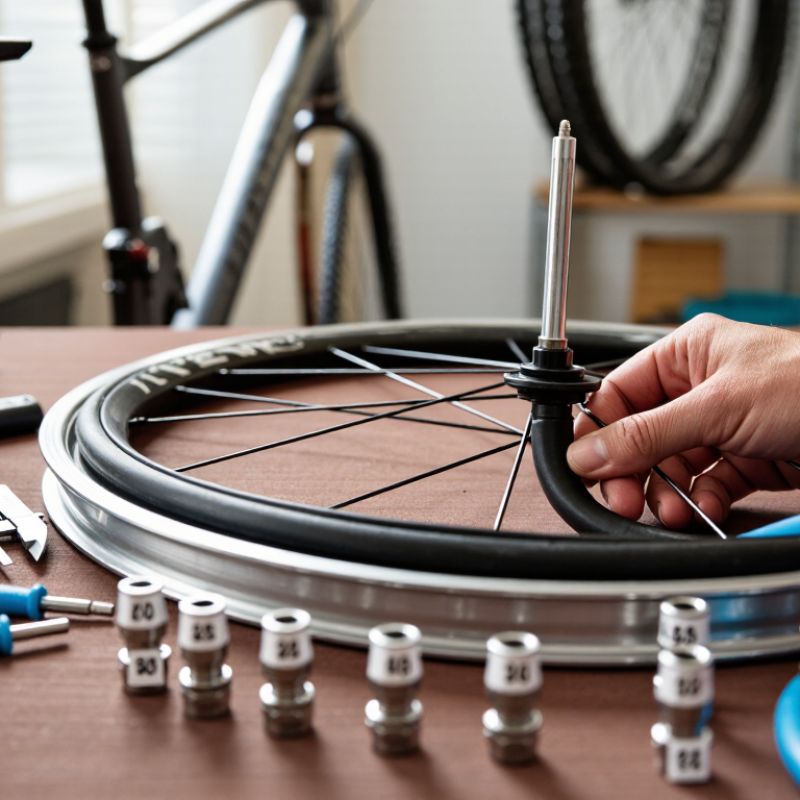
Read the tire sidewall for its diameter and width, then choose a tube whose stated range includes both. Road, gravel, mountain, and city tires often use different widths, even when their wheel diameters look similar. Do not guess from the bike frame. Fit comes first. Check the valve type and rim depth, too. A short valve can sit below a deep rim, making inflation awkward or impossible with your pump. For narrow tires, a tube that is too wide may bunch during installation; one that is too narrow can stretch more than intended.
Think about where and how you ride. Smooth pavement and steady commuting usually call for a correctly sized tube that is easy to replace on the roadside. Gravel paths, rough shoulders, and debris-strewn streets increase puncture exposure, so carrying a spare and tire levers may matter more than choosing a heavier tube alone. For mountain riding, check that the tube’s width range suits the tire, especially when the tire is much wider than a road tire. Pressure and installation still matter. Pinched tubes often result from rushing, not just poor product choice. A useful habit is to inspect the tire’s inside for sharp grit before fitting a replacement. I still double-check the printed size; similar numbers can be easy to mix up.

How to Choose the Right Interior Tube in 2026?
Read the tire sidewall before buying a tube. Look for a marking such as 25-622 or 700 x 25C. The first number gives the nominal tire width in millimeters; 622 is the bead seat diameter. ISO 5775-1 specifies this metric tire-marking system. Match both numbers, not just “700C.” That familiar label alone does not confirm compatibility.
Check the tube’s printed size range. A tube marked 25/32-622 is designed to expand across that width range on a 622 mm rim. For example, it can suit a 25-622 tire, but check the range printed on the actual tube. The ETRTO Standards Manual uses bead seat diameter to distinguish sizes that can look deceptively similar. A 27 x 1 1/4 tire, for instance, commonly has a 630 mm diameter and will not fit a 622 mm rim. Close is not close enough.
Then inspect the valve. Measure the rim depth and choose a stem long enough to extend beyond it for secure inflation. A deep-section rim may need a longer valve, even when the tube size is correct. One blind spot: tire width can vary slightly with rim width and casing. If the fit feels uncertain, verify the rim marking too. Read the sidewall. Check twice.
Read the tire sidewall’s ISO/ETRTO marking to identify its width and bead-seat diameter.
In an ISO/ETRTO marking such as 37-622, 37 is the nominal tire width in millimeters and 622 is the bead-seat diameter. Choose a tube whose stated width range includes your tire’s width and whose diameter matches exactly. These are representative common tire markings; always check the complete marking on your tire.
Choosing an interior tube starts with the ride, not a claim that one material suits everyone. Butyl rubber is a practical choice for daily commuting and touring. It holds air well, is widely available, and tolerates regular use. That means fewer pressure checks between rides. Its trade-off is extra weight compared with some alternatives.
Latex tubes are lighter and can reduce rolling resistance, which appeals to riders focused on speed. They lose air more quickly, so check pressure before each ride. Expect more upkeep. Thermoplastic polyurethane tubes are compact and lightweight, but their fit and handling can vary by model. Read the maker’s instructions, and check compatibility with your tire and rim. A small mismatch can be frustrating.
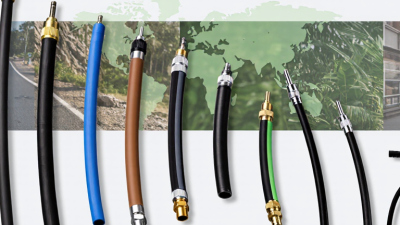
Valve choice depends on your rim’s valve hole and your pump. Schrader valves are wider and common on many everyday bikes; Presta valves are narrower and often used with road rims. The hole must match. Measure the rim depth before choosing valve length, especially with deep-section rims. A valve that barely reaches the surface can make inflation awkward. If you are unsure, compare the old tube’s diameter, width range, and valve type before buying. Even careful measurements can miss a detail, so inspect the fit after installation and inflate gradually.
| Choice | Main characteristics | Best suited to | Considerations |
|---|---|---|---|
| Tube material | |||
| Butyl rubber | Common, durable rubber with good air retention and broad availability. | Everyday riding, commuting, touring, and general-purpose use. | Typically heavier and less flexible than latex or some thermoplastic polyurethane (TPU) tubes. |
| Latex | Highly flexible rubber that can reduce rolling resistance in some road-tire setups. | Performance-focused road riding where ride feel and efficiency are priorities. | Loses air faster than butyl, so it generally needs more frequent inflation. Check tire and rim compatibility. |
| TPU | Thermoplastic material often used to make lightweight, compact tubes. | Riders looking to reduce carried weight or pack a small spare. | Performance, repair methods, and compatibility vary by tube design. Follow the maker’s inflation and installation instructions. |
| Valve type | |||
| Presta | Narrow valve with a small locknut that must be loosened before inflation. | Many road and performance bicycle rims, especially those with narrower valve holes. | Use a compatible pump head. Select a stem long enough to pass through the rim and remain accessible. |
| Schrader | Wider, spring-loaded valve of the type commonly used on car tires. | Many mountain, hybrid, and everyday bicycle rims designed for a wider valve hole. | Check that the rim’s valve hole is designed for Schrader; it may not fit a narrow Presta-only hole. |
| Dunlop (Woods) | Traditional bicycle valve used in some regions; exact designs and pump compatibility can vary. | Bicycles and replacement tubes that already use a compatible Dunlop valve and rim. | Confirm the valve standard and pump connection before buying, as availability varies by location. |
| Quick fit checklist | |||
| Size and fit | Match the tube’s stated wheel diameter and tire-width range to the tire. | All replacement purchases. | Read the size markings on the tire and tube; do not choose by wheel diameter alone. |
| Valve length | The valve stem must extend far enough through the rim for a pump to attach securely. | Deep-section rims or rims with valve extensions. | Measure the rim depth and check the tube or extension instructions before purchase. |
Note: Material and valve are separate choices. Confirm tube size, rim valve-hole compatibility, and valve length before installation. Inflate to a pressure within the limits specified for the tire and rim.
Choosing an inner tube starts with an exact match for tire diameter, width, and valve type. A tube that is slightly too narrow may stretch more than intended, while an oversized one can bunch inside the tire. Check the sidewall markings before comparing weight. Small detail, big difference.
Lighter tubes can reduce rotating weight, which some riders notice during climbs and quick acceleration. But low weight alone says little about durability. Butyl tubes are often a practical everyday choice; latex and some thermoplastic polyurethane tubes can weigh less, though they may need different handling or more frequent pressure checks. Feel the trade-off. A thin tube may be less forgiving when pinched against a sharp rim edge. Puncture resistance also depends on tire casing, pressure, load, and road debris, not just tube material. After a flat, inspect the tire’s inside with your fingers carefully; a tiny wire or glass shard can cause another puncture. I still find weight easy to overvalue when choosing parts. For commuting over broken pavement, a modest weight increase may be worth the extra peace of mind. On smooth roads, a lighter option may make more sense, provided its size and care requirements fit your riding routine.
Before buying an inner tube, match the tire’s full size marking, not just “26 inch” or “700C.” ISO 5775-1 defines cycle-tire sizing; for example, 700 × 25C corresponds to 25-622, where 622 is the bead-seat diameter in millimetres. Check the number after the dash on your tire sidewall, then choose a tube whose stated range includes the tire width. A tube marked 700 × 20–25C fits that width range; one outside it may stretch too far or fold inside the tire. Small mismatch, big hassle.
Check the valve as carefully as the size. Presta and Schrader valves need different rim-hole diameters, and valve length must clear the rim’s depth. A deep-section rim can leave too little stem exposed for a pump head. The ETRTO Standards Manual provides dimensional guidance for tire and rim fit, but the markings on an older wheel may be worn or unclear. Measure the rim and inspect the valve hole if needed. During installation, inflate the tube slightly, seat it inside the tire, and check both sides of the bead before adding full pressure. A rushed check can pinch the tube; even careful fitting is not foolproof.