Top 10 Inner Tube Manufacturers for Global Buyers?
When it comes to the world of inner tubes, manufacturers play a crucial role. Inner tubes are essential components for various vehicles, including bicycles, motorcycles, and cars. A quality inner tube ensures safety, performance, and longevity. In recent years, the demand for reliable inner tubes has surged globally.
Choosing the right manufacturer can be daunting. The market is filled with numerous brands, each claiming to offer the best products. Some manufacturers are known for their quality, while others focus on affordability. Understanding the landscape is important for making informed decisions.
This article aims to showcase the top 10 inner tube manufacturers. Our selection is based on reliability, customer feedback, and expert reviews. We delve into the strengths and weaknesses of each brand, helping you navigate your choices. Our goal is to provide you with valuable insights in this vast marketplace.
Overview of Inner Tube Manufacturing Industry
The inner tube manufacturing industry plays a crucial role in various sectors, including automotive and cycling. Manufacturers focus on producing durable, high-quality inner tubes. They cater to different market segments by using diverse materials and technologies. This adaptability helps them meet global demand while considering local preferences.
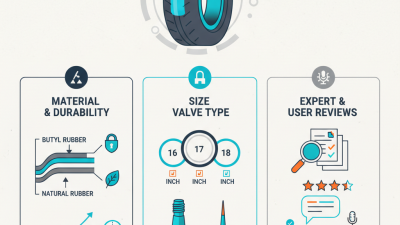
Tips: When selecting an inner tube, pay attention to size specifications. A proper fit ensures optimal performance and durability. Additionally, consider the material used. It can greatly impact the tube’s longevity and resistance to punctures.
In recent years, sustainability has become a priority. More manufacturers are exploring eco-friendly materials and processes. This shift reflects growing consumer demand for environmentally responsible products. However, there is still room for improvement in production practices to minimize waste.
The landscape of the inner tube industry is constantly evolving. This creates opportunities for innovation and growth. Yet, with evolving technology, some manufacturers may struggle to keep up. Continuous investment in research and development can bridge this gap. Buyers should remain informed about advancements in this dynamic market.
Top 10 Inner Tube Manufacturers Market Share
Key Players in the Global Inner Tube Market
The global inner tube market is marked by several key players known for innovation and quality. These manufacturers produce a variety of inner tubes for bicycles, motorcycles, and vehicles. They focus on using advanced materials and technology to ensure durability and performance. This commitment to quality helps them maintain a competitive edge in a crowded market.
Quality assurance is crucial in the manufacturing process. Manufacturers often face challenges in maintaining consistency across production batches. Variations in raw materials can lead to different product features. It's important for manufacturers to invest in robust quality control systems. Such measures can prevent defects and enhance customer trust in their products.
Additionally, market dynamics influence manufacturers greatly. Demand fluctuates based on economic conditions and consumer preferences. Companies must adapt quickly to these changes. Some might struggle with adapting to sustainable practices. This can create a dilemma for manufacturers wanting to meet modern consumer expectations. Flexibility and responsiveness are essential for success in this competitive environment.
Criteria for Evaluating Inner Tube Manufacturers
When evaluating inner tube manufacturers, buyers should consider multiple criteria to ensure they choose a trusted partner. Quality is paramount. Manufacturers must demonstrate consistent product performance. This can be assessed through certifications and compliance with industry standards. Look for companies with a track record of reliability. A solid warranty can be a good indicator of manufacturer confidence.
Another crucial factor is production capacity. Some manufacturers may struggle to meet large orders due to limited facilities. Assessing their ability to scale production is vital. Additionally, technological advancements in manufacturing can enhance product durability. A manufacturer that invests in innovation often produces superior inner tubes.
Last but not least, customer support plays a significant role. Good communication should be prioritized. Manufacturers that are easily reachable and responsive tend to build better relationships. However, not all companies excel in this area. Buyers should reflect on past interactions and the potential for long-term collaboration.
Top 10 Inner Tube Manufacturers: A Detailed Analysis
When exploring top inner tube manufacturers, buyers seek quality and reliability. These companies play a crucial role in various industries, from automotive to bicycle production. A strong emphasis on craftsmanship and materials is vital for ensuring product longevity.
Manufacturers dedicate resources to research and development. This effort leads to innovations in tire design and durability. Many strive to meet evolving consumer demands. However, not all companies excel equally. Some struggle with quality control, leading to inconsistencies in their products. Buyers should consider the level of experience and expertise each manufacturer possesses.
In addition, the global market presents challenges. Variations in regulations and standards can impact manufacturing processes. Some companies may not adapt quickly, risking their competitiveness. Prospective buyers should scrutinize company reputations and customer feedback. This diligence can help identify reliable partners in their sourcing journey. Ultimately, knowledge and caution are key in making informed decisions.
Top 10 Inner Tube Manufacturers for Global Buyers
| Manufacturer Location |
Annual Production Capacity (Units) |
Main Product Types |
Export Markets |
Years in Operation |
Certifications |
| Asia |
2,000,000 |
Bicycle, Motorcycle, Truck |
North America, Europe |
15 |
ISO 9001, CE |
| North America |
1,500,000 |
Agricultural, Heavy Equipment |
South America, Asia |
25 |
ISO 9001 |
| Europe |
1,000,000 |
Car, SUV |
Middle East, Africa |
20 |
ECE R75, ISO 14001 |
| Asia |
3,000,000 |
Bicycle, Motorcycle |
Europe, Oceania |
10 |
ISO 9001, BSCI |
| South America |
750,000 |
Car, Truck |
North America, Europe |
5 |
ISO 9001 |
| Asia |
1,200,000 |
Heavy Machinery, Agricultural |
Africa, Asia |
30 |
ISO 14001, IATF 16949 |
Emerging Trends in Inner Tube Production and Technology
The inner tube industry is witnessing significant changes in
production and technology.
Manufacturers are focusing on sustainable materials
to meet environmental concerns. Reports indicate that the global demand for
eco-friendly inner tubes has surged by
15% annually. This shift not only addresses
waste issues but also enhances performance and durability.
Moreover, advancements in manufacturing techniques, such as the adoption of
automated processes, have improved efficiency.
Recent data suggests that these technologies reduce production costs by
up to 20%. However, challenges in balancing
sustainability and cost-effectiveness remain. Not all manufacturers
can seamlessly integrate these technologies, leading to inconsistencies in
product quality.
Tips: Consider assessing the
sustainability practices of manufacturers.
Transparency in material sourcing is crucial for buyers. Evaluating production processes can also reveal
manufacturers’ commitment to innovation. Engaging with reputable third-party assessments can provide further insights.
Keeping abreast of industry trends will ensure that buyers make informed choices.