What is Butyl Rubber and How is it Used in Industries?
Butyl Rubber is a versatile synthetic rubber known for its unique properties. It is widely used across various industries, including automotive, aerospace, and healthcare. Dr. Emily Smith, a leading expert in polymer science, notes, "Butyl Rubber's low permeability and excellent aging stability make it invaluable in many applications."
This type of rubber is characterized by its excellent resistance to gases and moisture. It is often found in inner tubes, sealants, and adhesives. However, it has limitations. While Butyl Rubber performs well under many conditions, its compatibility with certain oils and solvents can be problematic.
Manufacturers must weigh these factors when considering Butyl Rubber for specific applications. Its benefits often outweigh the drawbacks, but awareness of its limitations is crucial. Understanding the material is key to optimizing its use in industry.
Definition and Composition of Butyl Rubber
Butyl rubber, known for its unique properties, is a synthetic polymer. It is composed mainly of isobutylene with a small amount of isoprene. This structure gives butyl rubber its excellent gas impermeability and aging resistance. Its low permeability makes it ideal for applications that require airtight seals.
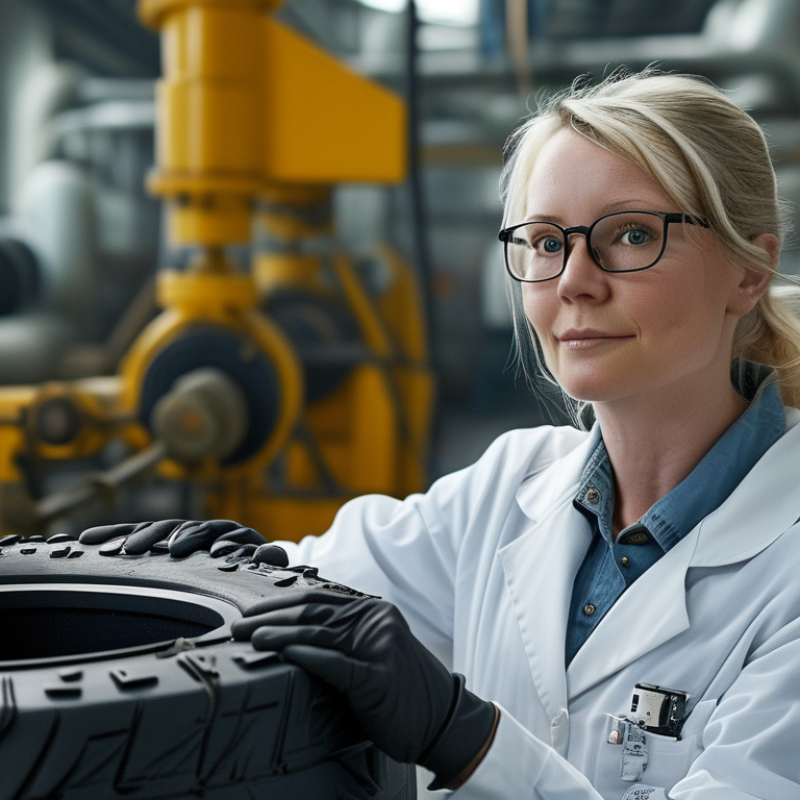
Industries utilize butyl rubber for various purposes. It is commonly used in the manufacture of tires, where it helps maintain air pressure. Additionally, it finds application in adhesive formulations. Butyl rubber contributes to durability and weather resistance. Manufacturers often combine butyl rubber with other materials to enhance performance.
Despite its advantages, there are challenges in using butyl rubber. Issues may arise related to temperature resilience. Some formulations might not perform well in extreme conditions. Therefore, ongoing research is vital. Industries are continually experimenting with blends to improve overall properties. This dynamic landscape keeps advancing the use of butyl rubber in various sectors.
Butyl Rubber Usage in Various Industries
Key Properties and Characteristics of Butyl Rubber
Butyl rubber, a synthetic polymer, is widely utilized across various industries due to its unique properties. Its exceptional impermeability to gases makes it ideal for sealing applications. The low gas permeability ensures that inner gases, such as air in tires, stay contained. This characteristic significantly extends the lifespan of products like tires and inflatable items. Additionally, butyl rubber showcases remarkable resistance to weathering, ozone, and ultraviolet light. This durability makes it suitable for outdoor products and construction materials.
Tips: When selecting butyl rubber for applications, consider the specific environment. Different grades may perform better under particular conditions. Test samples if possible.
Another essential property of butyl rubber is its excellent flexibility at low temperatures. This means that components made from butyl rubber can maintain their shape, even in cold weather. Yet, one downside is that its adhesion properties are relatively low compared to other elastomers. This could be a concern if strong bonding is necessary for particular applications. In such cases, blend with other materials to enhance performance.
Tips: Keep in mind that processing butyl rubber may require specific techniques. Understanding its behavior during mixing and curing is crucial for achieving desired results. Always consult technical guidelines.
What is Butyl Rubber and How is it Used in Industries? - Key Properties and Characteristics of Butyl Rubber
| Property |
Description |
Usage in Industries |
| Gas Impermeability |
Excellent resistance to gas permeability |
Used in tire inner linings and inflatable products |
| Thermal Stability |
Resistant to high temperatures |
Used in automotive applications and sealants |
| Chemical Resistance |
Compatible with many chemicals |
Used for liners in chemical storage tanks |
| Flexibility |
Maintains flexibility in various temperatures |
Used in weather-resistant coatings and adhesives |
| UV Resistance |
Resistant to degradation under UV light |
Used in outdoor applications, like roofing materials |
Applications of Butyl Rubber in Different Industries
Butyl rubber is a versatile synthetic rubber used across various industries. Its unique properties, like low air permeability and excellent resistance to aging, make it ideal for demanding applications. In the automotive sector, butyl rubber is extensively used in inner tubes and tire manufacturing. According to the MarketsandMarkets report, the global butyl rubber market is projected to reach $5.01 billion by 2025, driven by automotive demand.
In the pharmaceutical industry, butyl rubber is vital for sealing closures and preventing contamination. It is favored for its inert nature and compatibility with various drugs. Reports suggest that the demand from pharmaceuticals could grow by 4.7% annually as companies prioritize safety and efficacy in packaging.
Tips: When selecting materials, consider the specific application needs. Evaluate factors like temperature resistance and chemical compatibility. Understanding nuances in material properties can lead to better results. Not all butyl compounds perform similarly; choose wisely based on your unique requirements.
Manufacturing Processes for Butyl Rubber Products
Butyl rubber is a synthetic rubber known for its excellent impermeability to gases and resistance to weathering. The manufacturing process for butyl rubber products typically involves a complex series of steps. It begins with the polymerization of isobutylene and a small amount of isoprene in the presence of catalysts. This process creates a copolymer that is efficient for many applications.
After polymerization, the resulting rubber undergoes various compounding processes. Fillers, accelerators, and antioxidants are added to enhance its performance. The mixing stage requires careful control. If the mixing is inadequate, it can lead to inconsistent product quality. Data from industry reports indicate that the global butyl rubber market is projected to grow from 1.5 million metric tons in 2021 to over 2 million metric tons by 2026, reflecting increased demand in the automotive and tire industries.
Tips: When selecting a rubber compound, consider the specific application requirements. Testing for durability and resistance is crucial. Manufacturers must also monitor their processes for quality control. A minor oversight during mixing could lead to defects in the final product. Understanding these nuances is key for producing high-quality butyl rubber products.
Environmental Impact and Sustainability of Butyl Rubber Usage
Butyl rubber is widely used in various industries due to its unique properties.
However, its environmental impact has raised concerns among sustainability advocates.
The production of butyl rubber releases greenhouse gases and creates waste.
A study from the American Chemical Society indicated that synthetic rubber manufacturing contributes over 4% of global carbon emissions.
This calls for reevaluation of processes in the rubber industry.
Environmental sustainability must be prioritized.
One way to address this issue is to innovate recycling methods for butyl rubber.
Current recycling rates remain low, with estimates around 10%.
Improving these rates could significantly reduce landfill waste.
Many companies are exploring alternative materials that offer similar performance with reduced ecological footprints.
Tips: Seek out products that use recycled materials.
Consider innovative companies committed to sustainability.
Look for certifications that verify environmental claims.
It's crucial to hold industries accountable for their practices.
Supporting sustainable efforts can lead to better choices for the environment and future generations.