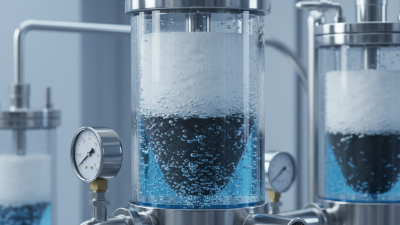
What is an Air Chamber and How Does it Work?
An Air Chamber is a fascinating component used in various systems, from plumbing to pneumatic tools. It plays an essential role in managing pressure and ensuring smooth operation. By controlling water hammer and stabilizing pressure fluctuations, the Air Chamber enhances the longevity and performance of many devices.
Understanding how an Air Chamber works can offer valuable insights into its applications. The chamber functions by utilizing a cushion of air to absorb shock waves caused by sudden changes in fluid flow. This mechanism can reduce noise and prevent damage, making it an invaluable tool in numerous industries.
However, people often overlook the importance of regular maintenance. Neglecting an Air Chamber could lead to decreased efficiency. Regular inspection and adjustments can prevent potential issues and improve overall functionality. Learning to appreciate this simple yet effective device can significantly enhance our approach to home and industrial systems.
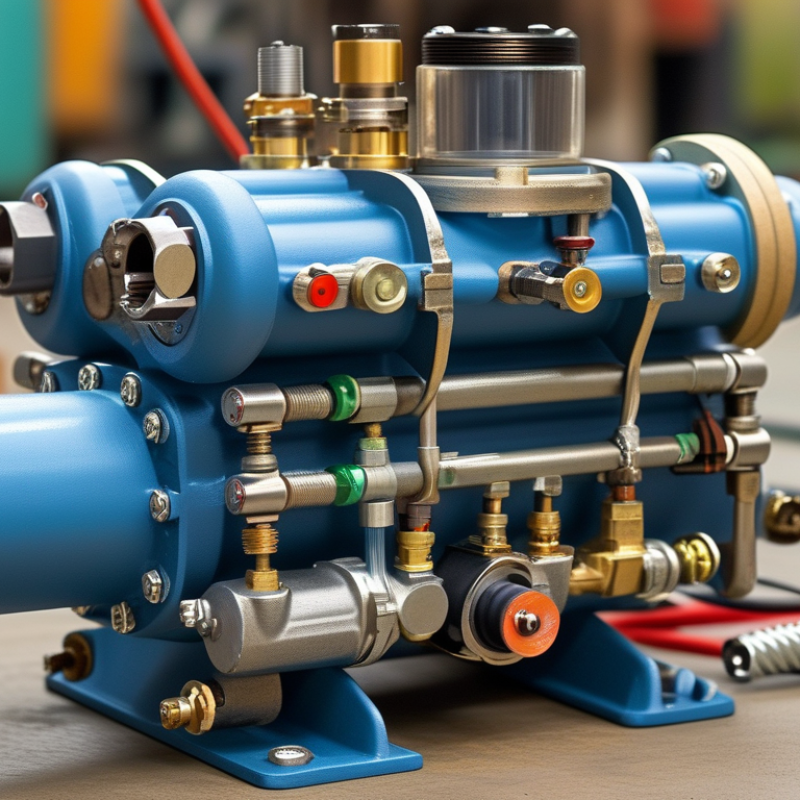
Definition of an Air Chamber and Its Purpose
An air chamber is a vital component in various systems, particularly in plumbing and hydro-pneumatic applications.
Its primary purpose is to absorb pressure fluctuations caused by water hammer effects. This often occurs when water flow is suddenly stopped or changed, creating shock waves that can damage pipes. An air chamber functions as a cushion, stabilizing these pressure spikes.
Constructed typically from hollow tubes, air chambers are filled with air. This air provides the necessary resistance against sudden changes in pressure. The design usually allows air to compress and expand easily, absorbing excess energy. The efficiency of this system relies on correct sizing and placement. If not properly installed, an air chamber may become waterlogged, losing its effectiveness. Users often overlook maintenance after installation, leading to potential issues.
In many cases, the need for air chambers is underestimated. Some systems may function without them, but at a cost. Without proper air cushioning, you risk damaging your plumbing. Many homeowners ignore warning signs, such as noise during water flow. Recognizing these patterns can help in assessing the need for air chambers. Ultimately, understanding their role is key to maintaining a reliable water system.
Components and Structure of an Air Chamber
Air chambers are vital components in various applications, serving distinct functions. Their structure typically consists of a sealed space filled with air, designed to manage pressure fluctuations. In plumbing systems, for instance, an air chamber reduces water hammer effects by absorbing shock waves.
The basic structure of an air chamber includes a cylindrical or rectangular shape. This chamber is made of durable materials resistant to corrosion. Inside, a partition may separate air from liquid. This design helps maintain optimal pressure levels. Depending on its application, the size of the air chamber can vary significantly, impacting its effectiveness.
Despite their usefulness, air chambers can experience issues. For instance, air may dissolve over time, reducing efficiency. Regular maintenance is required to keep them functioning properly. Additionally, installation must be done with care to avoid leaks. An understanding of these components and potential pitfalls is essential for maximizing the performance of air chambers.
What is an Air Chamber and How Does it Work? - Components and Structure of an Air Chamber
| Component |
Description |
Function |
Material |
| Air Chamber |
A sealed container that holds air |
Absorbs shock and vibration |
Metal or Plastic |
| Inflation Valve |
A valve used to fill or release air |
Controls air pressure |
Rubber or Plastic |
| Support Structure |
Framework that holds the air chamber |
Provides stability |
Steel or Aluminum |
| Decompression Valve |
Allows controlled release of air |
Regulates pressure levels |
Metal or Plastic |
| Connection Hoses |
Flexible tubes connecting air chamber components |
Facilitates air flow |
Rubber or PVC |
How Air Chambers Function in Fluid Systems
Air chambers play a vital role in fluid systems by helping to manage pressure fluctuations. When fluid flows through pipes, it can create pressure surges. These surges can lead to system damage or inefficiencies. An air chamber acts as a buffer, absorbing excess pressure and releasing it when needed. This ensures a more stable system.
In practice, air chambers are usually filled with trapped air. This air compresses when pressure rises, allowing the chamber to expand. When the pressure decreases, the air expands to push the fluid forward. The effectiveness of this mechanism depends on proper sizing and placement. Inadequate air chambers can lead to persistent hammering sounds, indicating a need for adjustment.
Understanding how air chambers function requires practical experience. Installation is straightforward, but maintenance is key. Over time, air can escape, reducing effectiveness. Regular checks and refills are recommended. It's also crucial to assess system layouts. A poorly planned layout can hinder chamber performance, leading to inefficiency.
Applications of Air Chambers in Various Industries
Air chambers are versatile components in various industries. They store air and help maintain pressure. In pneumatic systems, air chambers act as buffers, reducing pressure fluctuations. The automotive sector utilizes these chambers for shock absorption. According to a report by the International Society of Automotive Engineers, effective air chamber design can enhance ride comfort by up to 25%.
In construction, air chambers are crucial in plumbing systems. They minimize water hammer effects, improving system longevity. A study from the American Society of Plumbing Engineers noted that air chambers can extend pipe lifespans by 15-20%. Such efficiency proves invaluable in large residential buildings.
However, not all air chambers are perfectly designed. Some systems face issues with air loss over time. This requires ongoing maintenance and monitoring. Engineers must regularly evaluate air chamber performance to avoid inefficiencies. There’s a balance to strike between initial design and long-term reliability. As industries adopt more innovative designs, the need for precision will only grow.
Benefits and Limitations of Using Air Chambers
Air chambers are designed to manage pressure fluctuations in various systems. They are often used in plumbing and HVAC applications. The primary benefits include noise reduction and improved energy efficiency. According to a report from the American Society of Plumbing Engineers, air chambers can reduce water hammer effects by up to 80%. This makes them highly effective in residential and commercial plumbing systems.
However, air chambers have limitations. Over time, they may accumulate sediment, which can compromise efficiency. A study by the National Institute of Standards and Technology highlighted that neglected chambers can lose significant volume due to mineral buildup. Regular maintenance is crucial. Homeowners should check and re-pressurize air chambers periodically to ensure optimal performance.
Furthermore, installation can be tricky. Improperly sized chambers may lead to insufficient pressure control. This can cause system failure or increased wear on pumps. Many professionals recommend consulting with a hydraulic engineer to avoid these pitfalls. While air chambers provide valuable benefits, awareness of their maintenance and installation needs is essential for long-term functionality.