
Leave Your Message
What does “Interior Tire” actually mean? The phrase is not a standardized engineering term, and that matters. In different markets, it may describe an inner tube, an inner liner, or a secondary air chamber fitted inside a tire assembly. This article clarifies those meanings before explaining how air pressure, rubber layers, and load distribution work together.
The U.S. Tire Manufacturers Association reported approximately 335 million replacement and original-equipment tires shipped in the United States during 2023. That scale shows why small internal components deserve serious attention. A thin inner liner can hold compressed air, reduce air loss, and support stable handling. An inner tube performs a different job. It stores the air directly and transfers pressure to the surrounding tire casing. The distinction is easy to miss.
Michelin CEO Florent Menegaux has repeatedly emphasized a core principle: “The tire is the only point of contact between the vehicle and the road.” That contact patch may be smaller than a person’s hand, yet it carries steering, braking, heat, and road shocks. NHTSA research also links incorrect tire pressure with reduced control and increased tire failure risk.
This guide will examine the structure, operating process, benefits, and limitations of an Interior Tire. It will also question the term itself. Not every internal tire system improves safety. Poor fitting, aging rubber, trapped moisture, or incorrect pressure can create new problems. The practical answer depends on the exact design, vehicle, load, and maintenance conditions.
Definition and Purpose of an Interior Tire
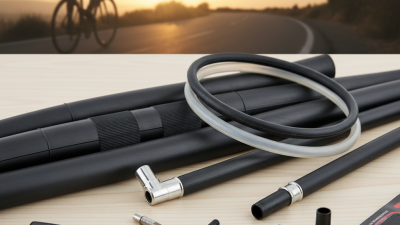
“Interior tire” is not a fully standardized technical term. In everyday use, it usually means an inner tube. In technical documents, it may also describe the inner liner of a tubeless tire. An inner tube is a flexible rubber chamber inside the tire casing. It stores compressed air, supports the vehicle’s load, and helps maintain the tire’s shape. An inner liner performs a similar sealing role without using a separate tube.
A tube includes a valve stem for inflation and pressure checks. When air enters, the tube presses evenly against the casing and wheel rim. This pressure creates the tire’s working structure. The casing provides strength, while the tube holds the air. It is a simple system, but small defects matter. A pinhole, twisted tube, or damaged valve can cause gradual pressure loss. NHTSA safety materials cite roughly 11,000 tire-related crashes annually in the United States. Correct inflation remains a practical safety issue, not a minor maintenance detail. The terminology is imperfect, and that can confuse buyers.
Tips: Check the valve first. Use the vehicle maker’s cold-pressure specification. Inspect the tube for folds, abrasions, and uneven wear. Do not install a new tube inside a damaged casing. The U.S. Tire Manufacturers Association also emphasizes regular pressure checks, because pressure changes with temperature and load. A gauge reading after driving may mislead you. Check it when the tire is cold.
| Data Dimension | Factual Information | Practical Purpose |
|---|---|---|
| Definition | An interior tire is the tire positioned on the inside of a dual-wheel assembly. It is mounted beside an exterior tire on the same axle end. | It forms part of a paired-wheel system designed to carry substantial loads. |
| Typical Application | Interior tires are commonly found on heavy-duty vehicles that use dual tires, including certain trucks, buses, trailers, and specialized equipment. | The arrangement supports vehicles that require more load-carrying capacity than a single tire can provide. |
| Wheel Position | The tire is located closer to the vehicle body, axle, and brake assembly than the exterior tire. | Its position can make inspection, inflation, and removal more difficult than servicing an exterior tire. |
| How It Works | The tire contains compressed air and a reinforced casing. Under load, both tires in the dual assembly share contact with the road and distribute vehicle weight. | Shared loading helps improve stability, traction, and the usable load capacity of the axle. |
| Load Sharing | Load sharing depends on correct inflation, matching tire specifications, proper wheel installation, and even mechanical alignment. | Unequal loading can overheat one tire and accelerate tread or casing damage. |
| Inflation Pressure | Inflation pressure should follow the vehicle, tire, or axle manufacturer's specified load-and-pressure information. The interior and exterior tires should be checked individually. | A tire can lose pressure without being obvious from a visual inspection, especially when paired with another tire. |
| Temperature Management | Heat is generated by tire flexing, road friction, underinflation, overloading, high speed, and ambient temperature. Limited airflow between dual tires can make heat control important. | Managing pressure, load, and speed helps reduce the risk of heat-related failure. |
| Tire Matching | Paired tires should be compatible in size, construction, load rating, and service condition. Their outside diameters should be closely matched. | Matching reduces unequal wear and prevents one tire from carrying substantially more load than its partner. |
| Inspection Requirements | Inspection should include tread depth, visible cuts, bulges, punctures, exposed cords, irregular wear, valve condition, and signs of contact between the two tires. | A reliable inspection requires access to the inner sidewall and tread, not only the visible outer surface. |
| Common Risk | A puncture or slow leak may remain hidden because the exterior tire can partially support the load and conceal the condition of the interior tire. | Pressure monitoring and regular hands-on inspection help identify problems before severe damage occurs. |
| Valve and Clearance | The valve stem must be accessible, protected from damage, and compatible with the wheel configuration. Adequate clearance must exist between the paired tires and nearby components. | Incorrect clearance or damaged valve hardware can cause air loss, rubbing, or tire failure. |
| Maintenance Frequency | Pressure should be checked regularly when the tires are cold and before demanding operation. Inspections should also follow long trips, impacts, or unusual vibration. | Cold-pressure checks provide more consistent readings than checks immediately after driving. |
| Replacement Guidance | A damaged interior tire should be replaced or repaired only according to applicable tire-service procedures. The paired tire should also be evaluated for damage and compatibility. | Replacing only one tire without checking the pair can leave an unsafe mismatch in diameter or condition. |
| Safety Status | Safety-Critical Component | Improper pressure, overloading, poor matching, or neglected damage can increase the risk of loss of control, tire failure, and vehicle downtime. |