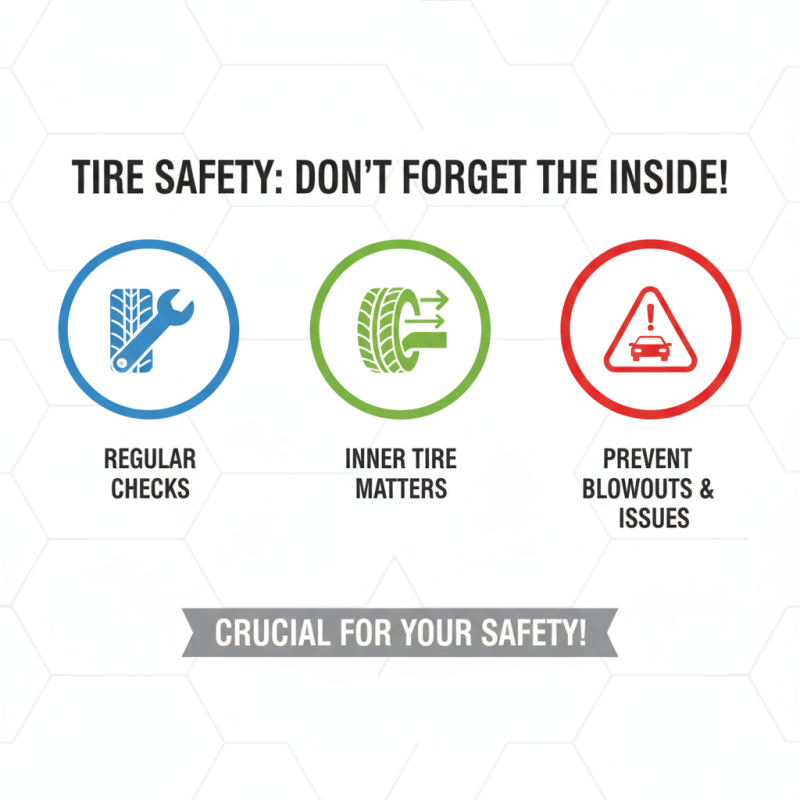
What You Need to Know About Interior Tire Maintenance?
When it comes to vehicle maintenance, the focus often shifts to the exterior. However, interior tire maintenance is equally crucial. Many drivers overlook the importance of tires that aren’t just about the tread. They forget that the internal structure also affects performance and safety.
Maintaining your interior tire can prevent unexpected breakdowns. Regular inspection can help identify issues like uneven wear. Tire pressure plays a vital role, affecting handling and fuel efficiency. Familiarizing yourself with these details can make a difference in your driving experience.
It’s easy to take tires for granted. Yet, neglecting interior tire care can lead to costly repairs. By being proactive, you can enhance your safety on the road. Take time to check and maintain, even if it feels tedious. Remember, a little effort goes a long way in preserving your vehicle's performance.
Understanding the Importance of Interior Tire Maintenance
Interior tire maintenance is often overlooked but essential for safe driving. Regular checks can prevent bigger issues down the road. It's vital to monitor the tire's inner surface, where uneven wear can occur. This can lead to blowouts or reduced traction. The interior conditions can also affect overall performance.
Drivers may think they have their tires under control. Yet, many ignore signs like vibration or noise from the tires. These can indicate problems hidden from view. It’s important to remember that a tire's health impacts fuel efficiency too. Maintaining proper air pressure and ensuring clean interiors can lead to better gas mileage.
Cleaning the interior of the tire is crucial. Dirt and debris can build up and cause wear. Checking for potential leaks or weaknesses can save money. Drivers should invest time in understanding these aspects. Simple actions like regular inspections can make a significant difference. Being proactive can enhance safety and extend tire life.
Key Components of Tire Structure and Their Functions
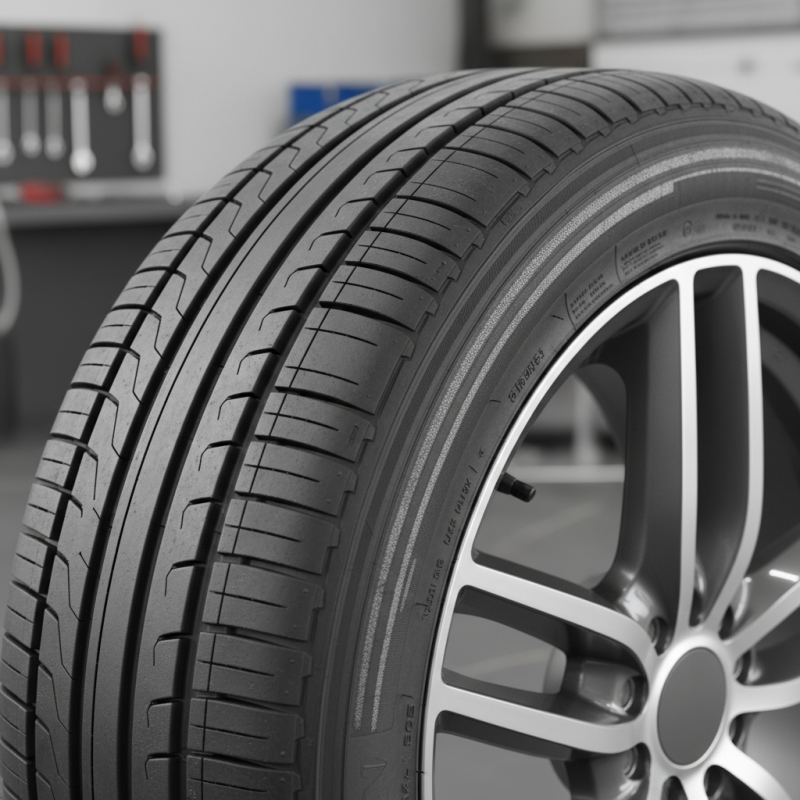
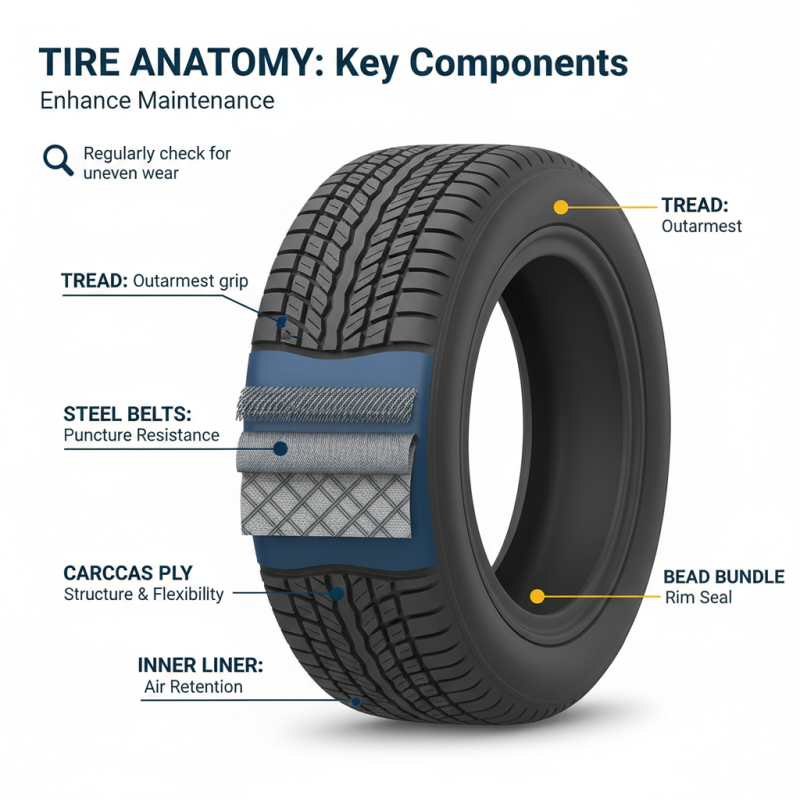
The structure of a tire is more complex than most people realize. Understanding its key components can enhance your tire maintenance routine. A typical tire consists of several layers. The tread, for instance, is the outermost part. It provides traction and grips the road. Tread wear can compromise your safety. Regularly check for uneven wear patterns.
Beneath the tread lies the steel belts. They add strength and stability. These belts help the tire maintain its shape. However, exposure to harsh conditions can lead to weaknesses. The inner lining is crucial too. It holds the air and ensures proper inflation. A compromised lining can lead to slow leaks.
Another important component is the sidewall. It provides the necessary flexibility. However, sidewalls are prone to damage from curbs and potholes. Over time, they can show signs of wear. Small cuts or bulges may indicate potential issues. Addressing these problems early can prevent serious failures. Pay close attention to these features for better performance and safety.
Common Interior Tire Issues and Their Impact on Performance
Interior tire maintenance is crucial for optimizing performance and safety. Common issues like
uneven wear and proper inflation can heavily impact a vehicle's handling. According to industry reports, approximately
30% of tire-related problems stem from improper maintenance. This often leads to decreased fuel efficiency and reduced traction.
Uneven wear often signals misalignment or incorrect inflation. This can drastically compromise vehicle performance. A simple visual inspection can highlight these issues. Additionally, inadequate tire pressure could
reduce gas mileage by 3% for every 1 psi below the recommended level. Keeping tires adequately inflated is essential.
Tips: Regularly check tire pressure and look for signs of uneven wear. Rotate tires every
5,000 miles to promote even wear. Investing time in these checks can save you from costly repairs. Remember, not all tires wear evenly; learn to spot early signs of distress and act promptly. Balancing maintenance with everyday use is vital for long-term tire health.
Step-by-Step Guide to Inspecting Your Tire Interior
Inspecting the interior of your tires is essential for safe driving. Over time, tires can suffer from wear and tear that may not be visible from the outside. Start by removing each tire and closely examining the inner surface. Look for any signs of damage or uneven wear patterns. Small cracks or bulges can indicate serious issues. Note that some problems might go unnoticed until it's too late.
Once you’ve checked for damage, evaluate the tread depth. A depth gauge can be helpful here. If the tread is too shallow, it’s time for a replacement. Pay attention to any objects stuck in the grooves, as they can affect performance. Ensure that the tire's bead is seated properly, as this affects how the tire fits on the wheel rim.
Don’t forget about checking the tire pressure. An under-inflated tire can lead to overheating and possible blowouts. Conversely, over-inflation can cause uneven wear. Regularly maintaining your tires can prevent accidents. Yet, many drivers tend to ignore these steps, thinking of them as minor details. Taking the time to inspect your tires can save you from costly repairs and hazards on the road.