How to Choose the Right Butyl Inner Tube for Your Bike?
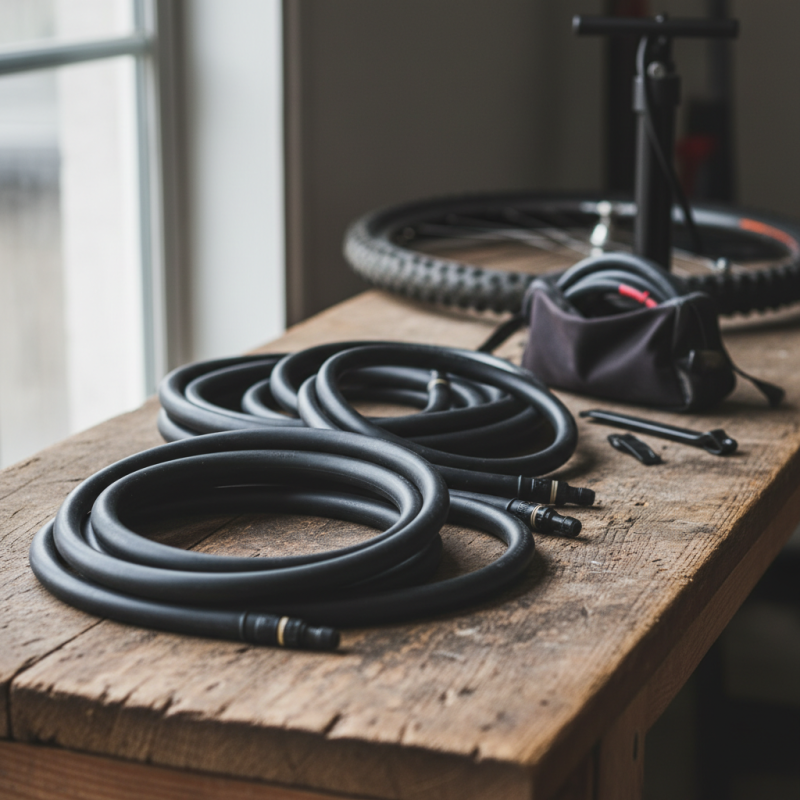
Choosing the right butyl inner tube for your bike is crucial for optimal performance. Butyl inner tubes offer a balance of durability and comfort. They are more resistant to punctures than traditional rubber tubes. With various sizes available, selecting the correct size is vital for a smooth ride.
When shopping for a butyl inner tube, consider the type of riding you do. Are you a casual cyclist or a mountain biker? Different activities demand different tube specifications. Riders must also pay attention to the valve type, as it affects inflation and compatibility with pumps. A misstep here can lead to frustration.
Not all butyl inner tubes are created equal. Some may be lighter but less durable. Testing various brands can lead to discovering tubes that best suit your needs. Always remember to keep a spare tube handy for those unexpected flats. This preparation enhances your riding experience and builds confidence on the road.
Understanding the Basics of Butyl Inner Tubes
When selecting a butyl inner tube for your bike, it's essential to understand the basics. Butyl rubber is widely known for its durability and air retention. According to industry reports, butyl tubes can maintain pressure for a longer time compared to other materials. They are also resistant to UV light and ozone, which means they can withstand various weather conditions better.
Not all butyl inner tubes are created equal. The thickness of the tube can determine its performance on the road. Thicker tubes are less prone to punctures but add weight. A report from the International Cycling Union noted that optimal tube thickness can vary by cycling style.
Road cyclists often prefer lighter, thinner tubes, while mountain bikers may benefit from the sturdier options.
Selecting the right size is another critical factor. Inner tubes come in various diameters and widths. Using the incorrect size can lead to poor handling or even tube failure. A study by the Bicycle Manufacturers Association found that improper sizing is a common issue among cyclists.
Riders must ensure a snug fit for efficiency and safety. Addressing these details can significantly impact your cycling experience and overall performance.
Evaluating the Size and Dimensions for Your Bike
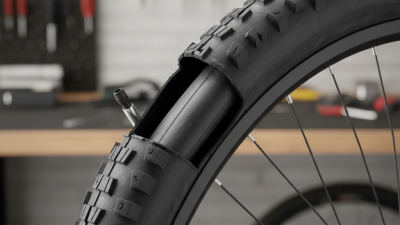
Choosing the right butyl inner tube for your bike involves careful consideration of size and dimensions. The first step is to know your tire size, which is often printed on the sidewall of the tire. Common sizes include 26", 27.5", and 29". If the size is unclear, measuring the tire's diameter and width can also help. Accurate measurements ensure that the inner tube you select fits snugly within the tire, preventing issues like pinch flats.
Next, consider the valve type. Schrader and Presta valves are the two most common types. Each requires different rim designs. Matching the valve to your rim is essential for proper inflation and function. Additionally, the tube's width range should align with your tire. A tube too narrow or wide can lead to performance problems.
Finally, reflect on the tube's thickness. Thicker tubes may reduce the risk of punctures, while thinner ones can offer a lighter weight. Finding the balance takes experience and careful thought. There isn’t a one-size-fits-all solution. You might need to experiment with several tubes to discover what works best for your riding style and environment.
Exploring Different Thickness and Durability Levels
When it comes to cycling, the inner tube is often overlooked, yet it plays a critical role.
Butyl inner tubes, known for their elasticity and air retention, can vary in thickness.
A thicker tube is sturdier and better at handling rough terrains, but it may add weight to your bike.
Conversely, a thinner tube can reduce weight, enhancing speed, but it may be prone to punctures.
Consider the durability of the inner tube. Thicker options typically withstand more wear and tear, making them suitable for mountain biking or long-distance tours.
However, choosing a tube solely based on thickness can lead to compromises. If you're a casual rider, a thinner tube might suffice, but frequent riders should invest in something more robust.
It's essential to reflect on your riding style and conditions. Riding on uneven paths calls for a more durable inner tube.
We sometimes underestimate the importance of weight versus durability. Balancing these factors is key for a satisfying riding experience.
It's worth experimenting with different tubes to see what performs best under your unique circumstances.
Comparing Butyl Tubes with Other Material Options
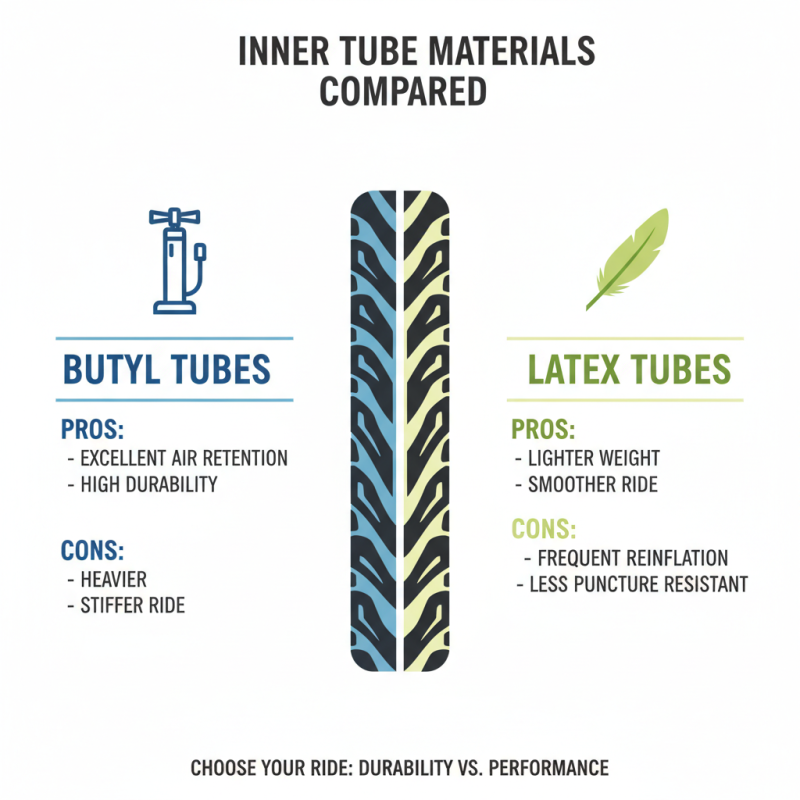
When choosing an inner tube for your bike, the material matters significantly. Butyl tubes are popular due to their air retention and durability. But they aren't the only option available. Latex tubes, for example, are lighter and provide a smoother ride. However, they often lose air faster than butyl tubes. This can lead to more frequent reinflation, which may not suit all riders.
In contrast to butyl, thorn-resistant tubes use a thicker material to prevent punctures. While they offer good protection, they can feel cumbersome. Riders might feel they sacrifice ride quality for extra security. It's essential to assess your riding style. If you often ride on rough terrain, a thorn-resistant tube could be worth considering. Yet, for casual rides, the standard butyl tube is often sufficient.
Other material options, like tubeless setups, eliminate the need for tubes altogether. They reduce the risk of flats but come with their own complexities. Installation can be tricky and requires compatible tires and rims. That's something many cyclists might overlook. Each option has its benefits and downsides, and understanding them helps make an informed choice.
Selecting the Right Valve Type for Your Needs
When selecting a butyl inner tube for your bike, the valve type is crucial. You typically have two options: Schrader and Presta. Understanding the differences can significantly affect your biking experience. Schrader valves resemble those found on car tires. They are sturdy and easy to inflate, making them a popular choice for many riders. Presta valves, on the other hand, are slimmer and designed for higher pressure. They often feature a locknut that requires a bit more skill to operate.
Choosing the right valve type depends on your bike and riding style. If you're using a mountain bike or a casual commuter bike, a Schrader valve may suit you better. It allows for quick pit stops at gas stations for inflation. Alternatively, Presta valves are favored by road bikers and racers. They provide a more secure fit and are lighter, which can improve performance.
It's essential to know that not all pumps are compatible with both valve types. You might need an adapter for Presta valves, especially if you often use gas station pumps. Reflecting on your cycling habits, think about where and how often you'll need to inflate your tires. A thoughtful choice can save you time and frustration.
How to Choose the Right Butyl Inner Tube for Your Bike?
This chart illustrates the preference of different valve types among cyclists when selecting butyl inner tubes for their bikes. The data reflects the percentage of users who prefer each valve type based on recent surveys.