How to Choose the Best Interior Tube for Your Bicycle?
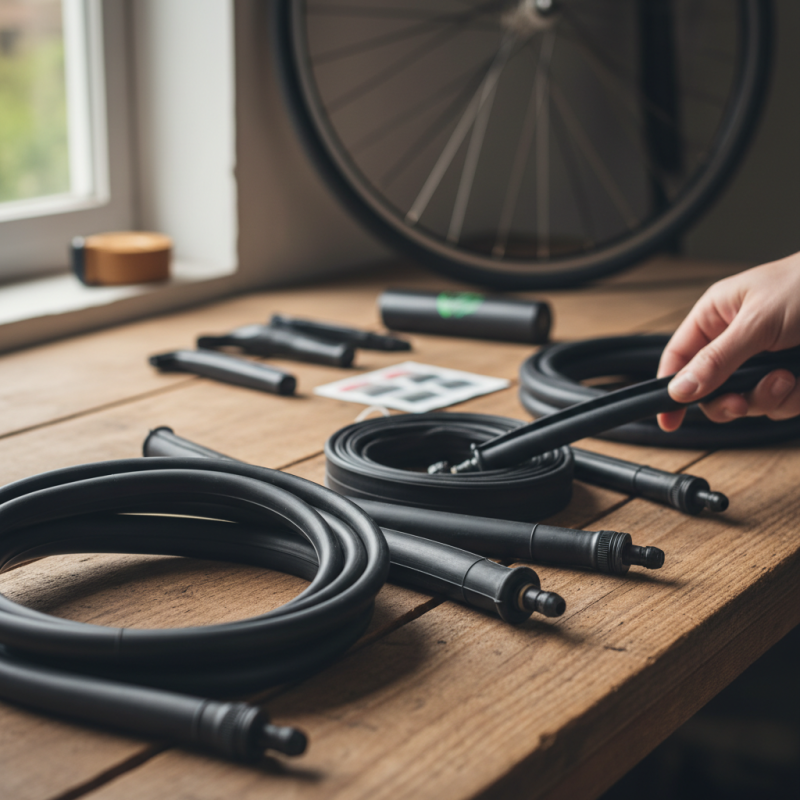
Choosing the right interior tube for your bicycle is crucial for a comfortable ride. An interior tube affects the performance of your bike significantly. A proper selection can enhance your cycling experience, while a poor choice may lead to frustration.
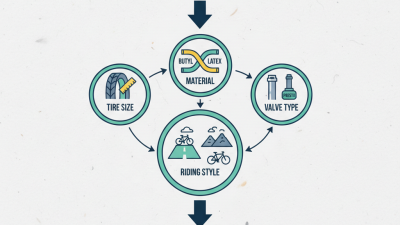
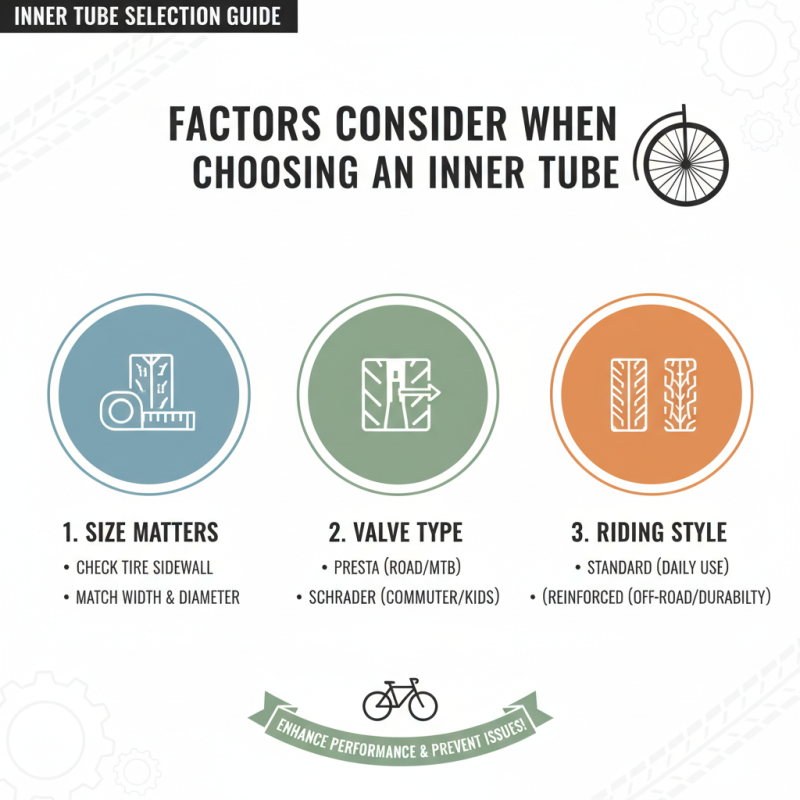
When selecting an interior tube, consider your bicycle type, tire size, and riding conditions. Not all tubes are created equal. Some are designed for specific terrains, while others cater to different riding styles. Researching materials and valve types can also make a difference in reliability.
Do not rush this decision. Many cyclists overlook minor details, leading to discomfort or increased maintenance. Be mindful of the weight and durability of the tube. Investing in a high-quality option may cost more upfront but save you headaches in the long run. Always remember: the right interior tube helps you ride smoothly and confidently.
Understanding the Different Types of Bicycle Inner Tubes
When choosing the right inner tube for your bicycle, understanding the various types is essential. Inner tubes come in different sizes and materials. A common material is rubber, which is durable yet might not be the best for extreme weather. Consider the tube's thickness. Thicker tubes offer more puncture resistance. However, they can add weight to your bike.
Different bicycles require specific tube sizes. Mountain bikes often use larger, wider tubes compared to road bikes. A mismatch can lead to issues. It may seem simple, but choosing the wrong size can lead to a frustrating ride. Additionally, valves come in different types—Schrader and Presta being the most common. Each has its advantages, but some pumps may only fit one type.
Don’t overlook the importance of having a spare tube. Flats can happen unexpectedly. A reliable spare ensures you won't face a long walk home. While selecting tubes, consider your riding style and environment. Some riders may learn the hard way about the impact of a poorly chosen tube on performance. Understanding these differences will enhance your overall cycling experience.
Types of Bicycle Inner Tubes and Their Common Uses
How to Determine the Right Size for Your Bicycle Tube
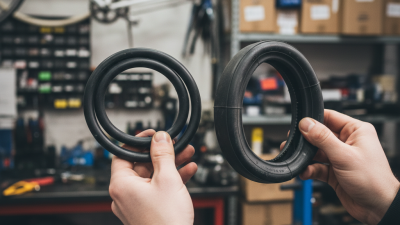
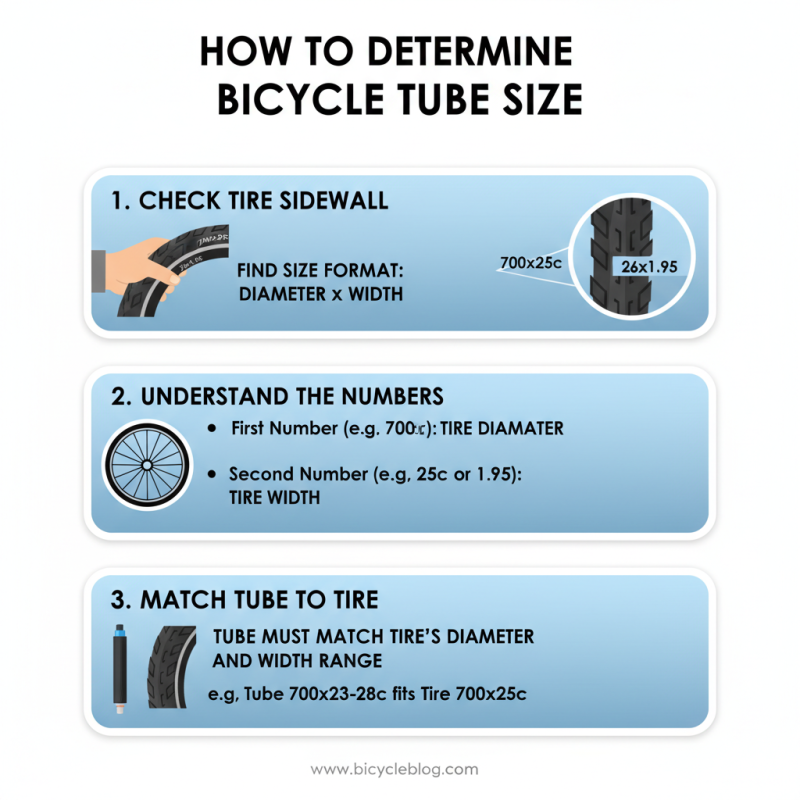
When selecting the right size for your bicycle tube, measurement accuracy is essential. Start by checking your existing tire. Find the size printed on the sidewall. Common formats include two numbers, such as 700x25c or 26x1.95. These numbers reveal both the tire's diameter and width.
Next, ensure you have the right width. A tube that’s too wide can pinch, while a thin one won't fit. If you're unsure, use a caliper or ruler for precise measurements. Some riders overlook tire pressure as a factor. Remember, your tube should accommodate the recommended psi for optimal performance.
Don’t forget to consider the valve type! Presta and Schrader valves come with different fittings. Ensure your pump matches the valve before heading out. Also, be prepared for potential challenges; not every fit is perfect. Sometimes, it takes trial and error to find the right combination. Keep these details in mind as you navigate your next ride.
Selecting the Best Material for Inner Tubes: Pros and Cons
When selecting an inner tube for your bicycle, the material is crucial. There are three main types: butyl, latex, and rubber. Each has its unique characteristics. Butyl tubes are the most common choice. They are durable and provide good air retention. However, they can be heavier than other options.
Latex tubes are lighter and offer lower rolling resistance, which enhances performance. They inflate quickly and provide a smoother ride. But they may require more frequent inflation due to air loss. Rubber tubes combine elements of both butyl and latex. They offer decent performance but can lack durability over time.
Consider your riding style when choosing. A casual rider might prefer the reliability of butyl. Race enthusiasts may lean towards latex for speed. Weigh the pros and cons carefully, as each material has trade-offs. Don't overlook the impact of weight versus durability. The choice is not always clear-cut and requires thoughtful consideration.
How to Choose the Best Interior Tube for Your Bicycle?
| Material |
Pros |
Cons |
| Butyl Rubber |
Affordable, good air retention, durable. |
Heavier than latex, less comfortable ride. |
| Latex |
Lightweight, excellent performance, comfortable ride. |
Higher cost, requires more frequent inflation. |
| Self-Sealing |
Increased puncture protection, convenient. |
Heavier, may have less performance in high pressure. |
| Talcum Powder Coated |
Reduces friction between tube and tire, lowers chance of pinch flats. |
Extra maintenance required, can be messy. |
Tips for Maintaining and Replacing Your Bicycle Inner Tube
Maintaining your bicycle inner tube is vital for a smooth ride. According to a study by the Adventure Cycling Association, over 50% of cyclists experience a flat tire at least once a year. Regular checks can minimize this issue. Always inspect your tubes for wear, punctures, or cracks. Look closely at the valve area and the sides where small abrasions can develop over time.
Replacing an inner tube is fairly straightforward but requires attention. A report from the Bicycle Product Suppliers Association suggests that improper installation is a common mistake for many cyclists. Ensure the tube is properly seated within the tire to avoid pinch flats. When inflating, follow the recommended pressure on the tire sidewall. Proper pressure can significantly increase the lifespan of your inner tube, potentially lasting thousands of miles when treated well.
Storing your inner tubes correctly also plays a role. Avoid placing them in direct sunlight or extreme temperatures, as this can weaken the rubber. Some cyclists overlook this detail, leading to premature failures. Keeping a spare tube can save time during emergencies, but be sure to check its integrity periodically. Regular maintenance and educated replacements can drastically enhance your cycling experience.