How to Choose the Right Butyl Rubber for Your Needs?
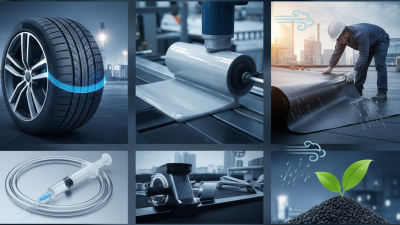
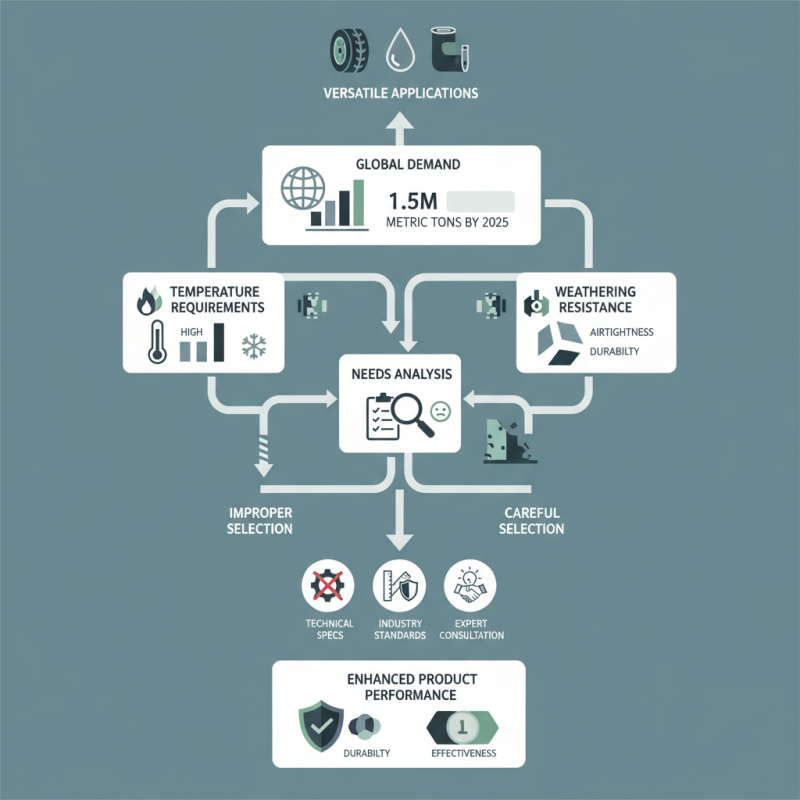
Butyl Rubber is a versatile material widely used in various industries. According to a recent market report, the global demand for Butyl Rubber is projected to reach over 1.5 million metric tons by 2025. Its unique properties make it ideal for applications such as tire manufacturing, adhesives, and sealants. This compound offers excellent airtightness and resistance to weathering, which is critical in many industrial processes.
When selecting Butyl Rubber, it’s essential to consider your specific needs. Different grades of Butyl Rubber exist, each tailored for unique applications. Some may excel in high-temperature environments, while others might be better suited for low-temperature flexibility. A careful analysis of requirements is necessary to avoid common pitfalls, such as choosing the wrong type that can lead to premature failure.
Improper selection not only results in financial losses but also affects product performance. Understanding the technical specifications is crucial. Various suppliers have different formulations, which can lead to confusion. Checking industry standards and consulting experts can offer valuable insights. The right choice in Butyl Rubber can enhance product durability and effectiveness, making thorough research indispensable.
Understanding the Properties of Butyl Rubber
Choosing the right butyl rubber requires a solid understanding of its properties.
Butyl rubber is renowned for its low permeability. This makes it a great choice for applications needing airtight seals, like tire inner linings.
It also resists aging and harsh weather conditions. These traits ensure longevity and durability for various products.
When evaluating butyl rubber, consider its elasticity. This property allows it to stretch without tearing.
It's particularly useful in applications requiring flexibility, such as gaskets and seals. Yet, not all butyl rubbers are created equal.
Different formulations exist to meet specific needs. Knowing the exact requirements is crucial.
Tips: Always check the thickness and hardness of the rubber. These factors influence performance.
For airtight applications, ensure you select a formulation with the lowest permeability.
If unsure, seek expert advice. A small change can lead to significant results.
Don't overlook the importance of testing the rubber in real-world conditions.
It reveals unexpected weaknesses that lab tests might miss.
Identifying Different Types of Butyl Rubber
When it comes to choosing the right type of butyl rubber, understanding its different forms is essential. Butyl rubber mainly exists in two types: regular butyl and halobutyl rubber. Regular butyl has excellent impermeability and is widely used for inner tubes and seals. Halobutyl, on the other hand, offers enhanced heat resistance and reduced permeability. According to a 2021 industry report, halobutyl rubber consumption accounted for over 60% of the total butyl rubber market, reflecting its demand in the automotive sector.
Interestingly, the choice between these types affects performance in various applications. For instance, halobutyl performs better under extreme temperatures, making it ideal for tires. Conversely, regular butyl is often favored for its cost-effectiveness in simpler applications. A study highlighted that 75% of manufacturers prioritize performance over expense. However, this often leads to reflection on long-term savings versus initial costs, which can be challenging for decision-makers.
Identifying the right butyl rubber requires careful consideration of your needs and application specifics. Think about factors like temperature tolerance and gas permeability. Many users realize too late that a wrong choice can lead to product failure. According to recent surveys, nearly 30% of companies faced performance issues due to improper rubber selection. Thus, understanding each type's unique properties is crucial in navigating this complex landscape.
Assessing Performance Requirements for Your Application
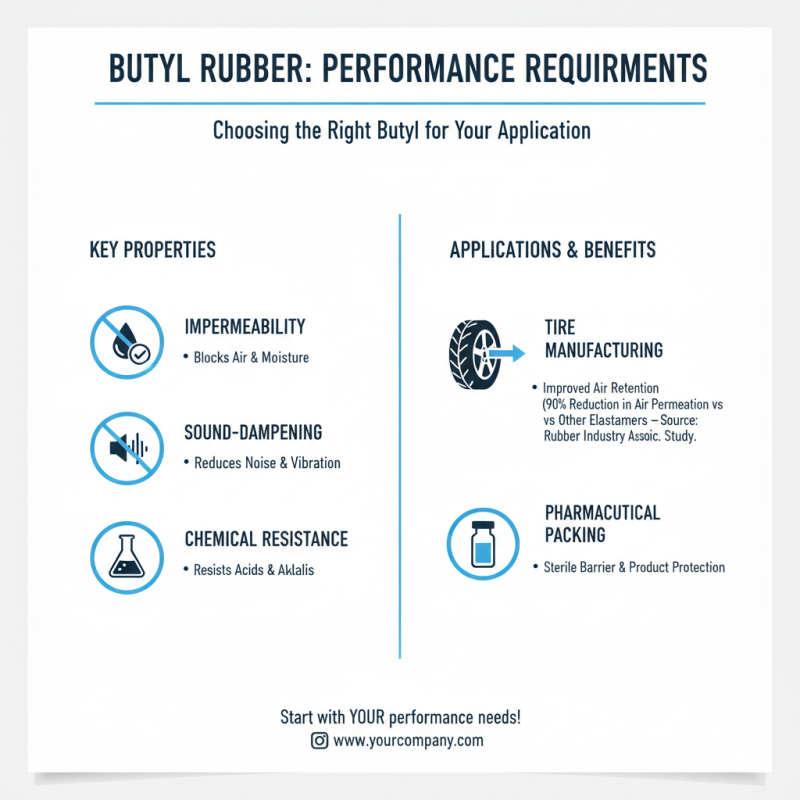
Choosing the right butyl rubber for your application starts with understanding your performance requirements. Butyl rubber is known for its excellent impermeability and sound-dampening properties. A study by the Rubber Industry Association shows that butyl rubber can reduce air permeation by 90% compared to other elastomers. This makes it ideal for applications in tire manufacturing and pharmaceutical packing.
When evaluating performance needs, consider temperature stability. Butyl rubber maintains its properties in temperatures ranging from -40°F to 250°F. This broad range is crucial for diverse environments. For example, automotive applications need materials that can withstand extreme conditions.
**Tip:** Assess your environment. Know whether your application will face chemicals, UV light, or harsh temperatures.
Moreover, analyze the elasticity and tensile strength. Butyl rubber offers impressive stretch capabilities, but not all grades perform equally. Different formulations may yield different results. The right choice could make or break product longevity.
**Tip:** Conduct small-scale testing. New formulations can behave unexpectedly. Always verify before large-scale application.
Evaluating Cost vs. Quality in Butyl Rubber Options
When considering butyl rubber, cost and quality are two critical factors. Butyl rubber is known for its excellent impermeability and resistance to heat and chemicals. According to a report by the Grand View Research, the global butyl rubber market was valued at approximately $4.5 billion in 2022. This underlines its importance in various industries.
Choosing the right type depends on your specific needs and budget. Some formulations provide superior durability but come at a higher cost. For instance, high-grade butyl rubber may offer a lifespan extension of up to 20% compared to standard options. However, if your project only requires basic performance, spending extra may not be justified.
Many users face the dilemma of balancing performance and cost. A lower-cost option might save money upfront but could lead to higher maintenance costs later. In sectors like automotive and construction, the right choice often depends on the application. Therefore, it's essential to assess both immediate needs and long-term performance when making your final decision. Each aspect should be weighed carefully, as the implications can be significant.
Sourcing and Suppliers for Butyl Rubber Products
Choosing the right supplier for butyl rubber can be challenging. You want to ensure quality and reliability. It’s crucial to research potential suppliers thoroughly. Look for companies with a strong reputation in the market. Online reviews can be quite helpful. Still, they may not always tell the full story.
Sometimes, suppliers may promise quick delivery but fail to meet deadlines. This can impact your projects significantly. Communication is key. Engage with suppliers directly to assess their knowledge of butyl rubber. Ask questions about their sourcing process. Understanding where their materials come from is essential. Transparency can indicate trustworthiness.
Also, consider the geographic location of suppliers. Local sourcing might reduce shipping costs. However, sometimes it’s worth looking at overseas suppliers for better prices. Be cautious, though. You may encounter longer lead times or unexpected tariffs. Always weigh the pros and cons before making a decision. Your choice of supplier should align with your specific needs. So take your time, and don’t rush the process.