How to Choose the Right Butyl Rubber for Your Project Needs
When embarking on a project that requires the right materials, selecting the appropriate butyl rubber can be a critical decision that impacts both performance and durability. According to industry expert Dr. Mark Thompson, a prominent figure in elastomer innovations, “Understanding the specific properties of butyl rubber and how they align with project requirements is essential for achieving optimal results.” His insights highlight the importance of a tailored approach when choosing this versatile material.
Butyl rubber, known for its exceptional resistance to air and moisture, is widely used in various applications ranging from automotive to construction. Each project presents unique challenges and demands, requiring a careful evaluation of factors such as mechanical strength, thermal stability, and chemical resistance. By recognizing these attributes, stakeholders can navigate the complexities of butyl rubber selection more effectively.
In this guide, we will explore key considerations and practical tips for choosing the right butyl rubber for your project needs. With the right knowledge, you can ensure that your material choice not only meets but exceeds performance expectations.

Understanding Butyl Rubber and Its Properties
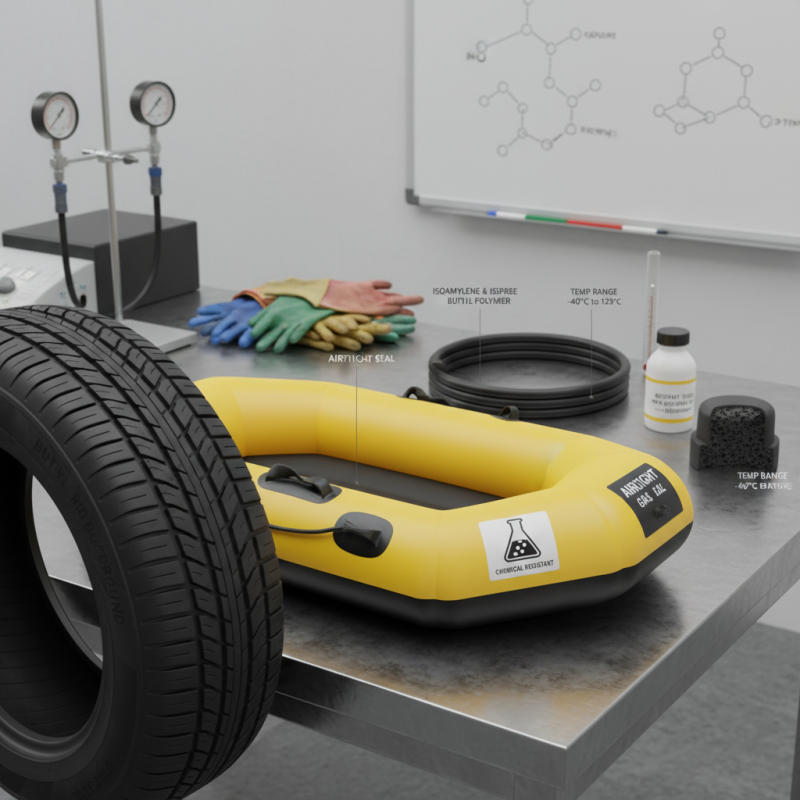
Butyl rubber, a synthetic rubber produced from the polymerization of isobutylene with a small amount of isoprene, is renowned for its exceptional impermeability to gases. This property makes it ideal for various applications, such as tire manufacturing, sealants, and insulation materials. According to industry reports, butyl rubber exhibits a permeability rate of less than 0.01 cc/cm²/day for gases, significantly outperforming other elastomers. Its excellent thermal stability allows it to maintain its properties across a wide temperature range, making it suitable for both high and low-temperature environments.
When selecting the right butyl rubber for your specific project, consider the various grades available based on the intended use. For instance, halobutyl rubber, which incorporates bromine or chlorine, offers enhanced gas impermeability and improved aging resistance, making it preferable for specialized applications. It's also crucial to evaluate factors such as tensile strength, elongation, and compression set, which can vary among different formulations.
**Tips:** Always consult technical data sheets to get detailed specifications of the butyl rubber grade you are considering. Furthermore, conducting preliminary tests can provide insights into the material’s performance in real-world conditions, ensuring it meets your project requirements. Lastly, working closely with suppliers can help you understand the latest advancements in butyl rubber technology and how they can benefit your applications.
How to Choose the Right Butyl Rubber for Your Project Needs
| Property |
Description |
Application Suitability |
Temperature Range (°C) |
Moisture Resistance |
| Gas Permeability |
Resistant to gas diffusion, making it ideal for sealing applications. |
Tires, balloons, and outdoor equipment. |
-40 to 100 |
Excellent |
| Chemical Resistance |
Good resistance to acids and alkalis. |
Industrial seals and gaskets. |
-20 to 90 |
Good |
| Flexibility |
Remains flexible at low temperatures. |
Winter tires and seals. |
-50 to 80 |
Moderate |
| Weather Resistance |
Resistant to ozone and UV light. |
Outdoor applications and roofing materials. |
-40 to 70 |
Excellent |
| Aging Resistance |
Maintains properties over time. |
Gaskets and hoses. |
-20 to 100 |
Good |
Identifying Your Project Requirements for Butyl Rubber
When selecting the right butyl rubber for your project, it is crucial to begin by identifying your specific project requirements. Butyl rubber is well-known for its excellent airtight properties and superior resistance to gas permeation, making it ideal for applications ranging from automotive parts to pharmaceutical packaging. According to a report by Markets and Markets, the global butyl rubber market is projected to reach USD 5.5 billion by 2025, driven by increasing demand in tire manufacturing and other industrial applications.
Consider the operational conditions of your project, such as temperature range and exposure to chemicals. Butyl rubber exhibits outstanding thermal stability, tolerating temperatures from -40°F to 250°F. If your application involves contact with harsh chemicals or solvents, it’s essential to review compatibility charts provided by material safety data sheets (MSDS). The American Society for Testing and Materials (ASTM) provides guidelines on the endurance of butyl rubber in various environments, underscoring its suitability for challenging applications.
Additionally, the physical properties of butyl rubber, such as tensile strength and elongation at break, should align with your project’s performance criteria. Research from the Rubber Manufacturers Association indicates that butyl rubber can achieve tensile strengths exceeding 20 MPa, making it a reliable choice for applications requiring high durability. By carefully evaluating these parameters, you can ensure that the butyl rubber selected will meet your project's unique demands and performance expectations.
Evaluating Different Types of Butyl Rubber Available
When evaluating different types of butyl rubber for your project needs, it’s essential to understand the unique properties and applications of the various grades available on the market. The primary types of butyl rubber, including standard butyl (IIR), halogenated butyl rubber (XIIR), and isobutylene-isoprene rubber (IIR), each offer distinct benefits suited for different industrial applications. According to data from the American Chemistry Council, the demand for halogenated butyl rubber is projected to grow at a compound annual growth rate (CAGR) of 4.3% through 2026, primarily due to its enhanced resistance to heat, oxidation, and weathering, making it ideal for automotive and pharmaceutical packaging applications.
In addition to the chemical specifications, evaluating other factors such as the molecular weight and viscosity of butyl rubber is also critical. Higher molecular weights typically provide improved mechanical properties, making them suitable for heavy-duty applications. Reports show that butyl rubber with higher viscosity can be particularly advantageous in applications where elasticity and strength are required. Furthermore, the choice between non-polar and polar grades should be guided by the specific environmental conditions and performance expectations of your project. For instance, non-polar butyl rubber offers superior impermeability, which is vital for tire manufacturing and sealants, as indicated by the Rubber Manufacturers Association, which highlights that tires made with butyl rubber can reduce air loss significantly, thus enhancing fuel efficiency and performance.
Considerations for Butyl Rubber Selection in Specific Applications
When selecting butyl rubber for specific applications, it's crucial to consider the environmental conditions and performance requirements that the material will encounter. Butyl rubber is known for its excellent gas impermeability, making it an ideal choice for applications where air retention is essential, such as in tire manufacturing or inflatable products. Evaluating the temperature range and exposure to chemicals is equally important, as certain formulations of butyl rubber can resist oils and solvents, while others may degrade in harsh environments. Understanding the specific demands of your project will help determine the most suitable type of butyl rubber.
Another critical factor in butyl rubber selection is its physical properties, such as tensile strength, elasticity, and aging characteristics. These properties will directly influence the durability and lifespan of the product. For instance, in applications requiring high resilience, such as seals or gaskets, a butyl rubber with enhanced elasticity should be chosen to ensure effective function over time. Furthermore, consideration of the manufacturing processes involved can guide the selection; certain formulations may be better suited for extrusion or molding based on their viscosity and processability. Each application may require a tailored approach to material selection, ensuring the optimal performance of the final product.
Sourcing and Quality Assurance for Butyl Rubber Materials
When sourcing butyl rubber for your project, understanding quality assurance protocols is crucial. According to the "Market Study on Butyl Rubber: Developments and Trends" by Grand View Research, the global butyl rubber market was valued at approximately $2.5 billion in 2021 and is expected to expand at a CAGR of 4.5% from 2022 to 2030. This robust growth highlights the increasing demand for high-quality butyl rubber materials across various industries, including automotive, pharmaceuticals, and construction. Ensuring that you select suppliers adhering to industry standards like ISO 9001 can be key in maintaining the integrity and performance of your products.
Quality assurance extends beyond mere compliance; it involves rigorous testing and assessment of the material properties. The American Society for Testing and Materials (ASTM) sets standards that manufacturers should align with, ensuring that butyl rubber exhibits properties such as low permeability to gases, excellent aging stability, and resistance to weathering. Reports indicate that subpar quality materials can lead to a significant increase in operational costs and product failures, emphasizing the need for meticulous supplier evaluation. By prioritizing sourcing strategies that implement thorough testing methods, you can secure high-quality butyl rubber that meets specific project needs while also positioning your business for long-term success.