Why You Should Choose the Right Inner Tube for Your Bicycle Safety and Performance
Selecting the appropriate inner tube for your bicycle is crucial for ensuring both safety and optimal performance on the road. According to cycling industry expert Dr. John Miller, a renowned bicycle safety consultant, "The right inner tube can make all the difference in your riding experience, affecting not only your comfort but also your safety." With the myriad of choices available, riders often overlook the significance of this fundamental component, yet it plays an integral role in how your bike handles, responds, and ultimately how safe you feel while navigating various terrains.
Inner tubes are not all created equal; they vary in materials, sizes, and features designed for different types of cycling, from leisure rides to competitive racing. Understanding the specifications of your inner tube and its compatibility with your bicycle is essential. The right choice can significantly reduce the risk of punctures, improve tire performance, and enhance the overall riding experience. As we delve deeper into this topic, it will become evident how crucial it is for cyclists to prioritize their inner tubes, ultimately leading to safer and more enjoyable rides.
Choosing the Right Inner Tube Size for Optimal Fit and Performance
Choosing the right inner tube size for your bicycle is crucial for ensuring optimal fit and performance. The inner tube should match the tire size, which is indicated on the sidewall of the tire. Using a tube that is too small can lead to an increased risk of punctures and blowouts, while a tube that is too large may not seat properly, affecting the overall handling and stability of the bike. It’s also important to consider the width of the tire to ensure that the inner tube fits snugly without any excess material that could cause issues during your ride.
In addition to size, the type of valve (Presta or Schrader) is an important factor to consider when selecting an inner tube. A proper valve ensures easy inflation and a secure fit within the rim. Riders should also take into account the terrain they will be riding on. For example, lighter tubes may be more suited for racing, while thicker tubes can offer improved puncture resistance for off-road cycling. By taking the time to choose the correct inner tube size and type, cyclists can significantly enhance their safety, performance, and overall riding experience.
Why You Should Choose the Right Inner Tube for Your Bicycle Safety and Performance
| Bicycle Type |
Recommended Inner Tube Size |
Valve Type |
Common Uses |
Safety Considerations |
| Road Bike |
700x23c |
Presta |
Racing, Commuting |
Higher pressure can reduce pinch flat risks |
| Mountain Bike |
29x2.2 |
Schrader |
Off-road, Trail Riding |
Thicker walls to mitigate punctures |
| Hybrid Bike |
700x38c |
Presta or Schrader |
Commuting, Recreational Riding |
Balance between comfort and efficiency |
| BMX Bike |
20x1.75 |
Schrader |
Racing, Stunt Riding |
Durability and resistance to impacts |
| Touring Bike |
700x32c |
Presta |
Long-distance Traveling |
Enhanced load handling and flat resistance |
Understanding the Impact of Inner Tube Material on Bicycle Safety
The material of a bicycle inner tube plays a crucial role in both safety and performance. Typically, inner tubes are made from rubber, latex, or a blend of materials, each contributing differently to ride quality and durability. For instance, rubber inner tubes are known for their resilience and ability to withstand punctures, making them a popular choice among everyday cyclists. They provide a reliable barrier against sharp objects and environmental factors, thereby enhancing overall safety on the road.
In contrast, latex inner tubes, while lighter and offering lower rolling resistance, can be more susceptible to punctures and require more frequent maintenance. The choice of material can significantly impact air retention, with latex tubes often needing more frequent inflation. This characteristic, while advantageous for competitive cyclists seeking top performance, can pose challenges for casual riders. Understanding these distinctions helps cyclists make informed decisions about inner tube selection, ultimately supporting safer and more effective riding experiences.
How Tire Pressure Affects Performance and Safety with Inner Tubes
Tire pressure plays a crucial role in the overall performance and safety of your bicycle, significantly impacted by the inner tube you choose. An optimal tire pressure ensures that you achieve maximum grip on various terrains, leading to a smoother and more efficient ride. Under-inflated tires can create increased rolling resistance, making it harder to pedal and fatigue setting in faster. Conversely, over-inflated tires reduce the contact surface with the road, compromising traction and increasing the risk of punctures.
Tips: Always check your tire pressure before heading out for a ride. A good rule of thumb is to keep a portable pressure gauge handy to ensure accurate readings. Adjusting your pressure according to weather conditions and your riding style can enhance your performance and safety. For instance, lowering the pressure slightly can offer better traction on wet or uneven surfaces, while a higher pressure is generally preferred for smoother, dry roads.
Moreover, understanding the specifications of your inner tube can help you maintain the ideal tire pressure. Different inner tubes are rated for various pressure ranges, so it's crucial to select one that aligns with your bike's requirements. Regularly inspecting both the tire and inner tube for wear can prevent sudden failures, ensuring a safer biking experience over time. Remember, the right combination of tire pressure and quality inner tubes can not only enhance performance but also ensure your safety on every ride.
Comparing Presta and Schrader Valves: Which is Best for Your Bicycle?
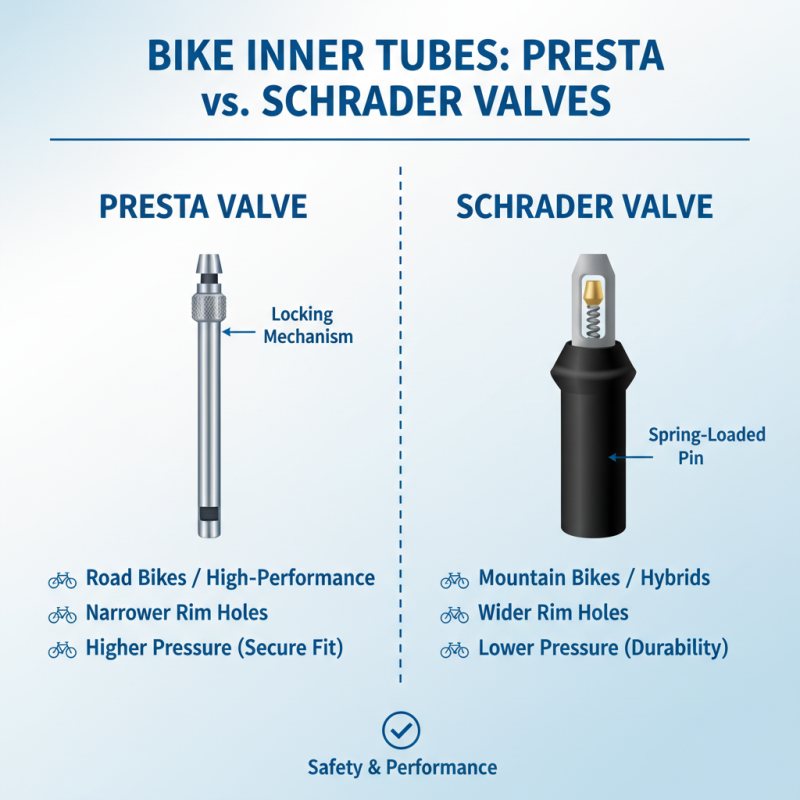
When it comes to choosing the right inner tube for your bicycle, understanding the differences between Presta and Schrader valves is critical for both safety and performance. Presta valves, often found on road bikes, are sleek and feature a narrower design. This allows for higher pressure inflation, which is ideal for racing or performance cycling. They also come with a locking mechanism that prevents air from escaping when the valve is closed, providing a secure fit and reducing the likelihood of flats during rides.
On the other hand, Schrader valves are commonly used on mountain bikes and many hybrid models. These are similar to the valves found on car tires, making them more user-friendly for casual cyclists. Schrader valves can easily accommodate a wider range of pump types and are generally more durable, making them suitable for rough terrains. However, they have a larger diameter and may not allow for as high tire pressures as Presta valves, which can be a consideration for performance-oriented cyclists.
Ultimately, the choice between Presta and Schrader valves will depend on the type of cycling you engage in. Understanding these differences not only helps in making an informed decision but also ensures that your bicycle operates safely and efficiently, enhancing your overall riding experience.
Identifying Common Inner Tube Issues and Their Effect on Riding Experience
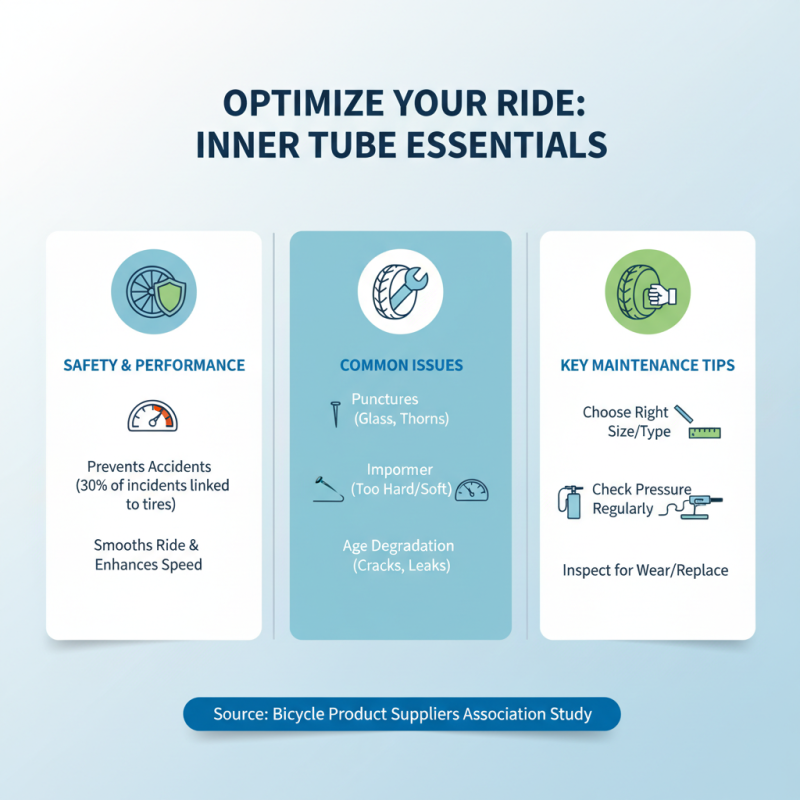
Choosing the right inner tube for your bicycle is crucial not only for safety but also for optimizing performance. Common issues with inner tubes, such as punctures, improper inflation, and age-related degradation, can significantly impact your riding experience. According to a study from the Bicycle Product Suppliers Association, nearly 30% of cycling accidents are linked to tire-related issues, underscoring the importance of maintaining high-quality inner tubes.
Punctures are one of the most frequent problems cyclists face, which can lead to sudden tire deflation and loss of control. Research indicates that nearly 20% of recreational cyclists experience a flat tire at least once during a season, making it essential to regularly inspect inner tubes for wear and tear. Furthermore, improperly inflated tires can reduce handling performance and increase rolling resistance, leading to a less efficient ride. The National Bicycling Safety Network recommends keeping the inner tube inflated to the manufacturer’s specified pressure for optimal performance and safety.
Age can also affect the integrity of an inner tube. A report by the International Bicycle Fund reveals that rubber compounds in inner tubes can deteriorate over time, even if the tube has never been used. Cracks and brittleness arise, increasing the likelihood of failure while riding. Cyclists should consider the age of their inner tubes and replace them every few years to ensure a safe and enjoyable riding experience. By being aware of these common inner tube issues, riders can make informed decisions that enhance both safety and performance on their bikes.