China Best Inner Tube Manufacturers Suppliers and Prices?
China remains a major sourcing base for Inner Tube products, serving bicycles, motorcycles, passenger cars, trucks, and agricultural equipment. Its supplier network combines rubber compound producers, tube moulders, valve manufacturers, and export distributors. This structure can shorten lead times and support private-label production. However, a large catalogue does not guarantee consistent quality.
Market demand is closely linked to vehicle use and replacement cycles. The China Association of Automobile Manufacturers reported 2024 automobile sales of approximately 31.44 million units, showing the scale of China’s transport market. This figure does not measure Inner Tube demand directly, but it explains the importance of replacement components and supporting rubber products. UN Comtrade data for HS 4013 can help buyers compare China’s international Inner Tube trade, although customs classifications may vary between countries. That is a limitation.
Reliable supplier evaluation should examine more than the quoted factory price. Buyers need to verify rubber compound specifications, wall thickness, valve bonding, air-retention results, packaging, and batch traceability. A sample may look perfect under showroom lighting. Production consistency is harder to judge. Professional testing should follow relevant ISO, GB, or market-specific requirements, depending on the application and destination.
Prices usually change with rubber costs, valve type, order quantity, packaging design, certification, and shipping terms. Industry reports from organizations such as the China Rubber Industry Association and international market research firms provide useful direction, but their scopes differ. Therefore, this guide compares manufacturers through evidence, not advertising claims. It considers product range, factory experience, export reliability, inspection practices, and realistic total cost. Suppliers may be competitive, yet the cheapest offer can become expensive after leakage, returns, or delayed delivery.
Types of Inner Tubes and Their Key Performance Differences
China Best Inner Tube Manufacturers Suppliers and Prices?
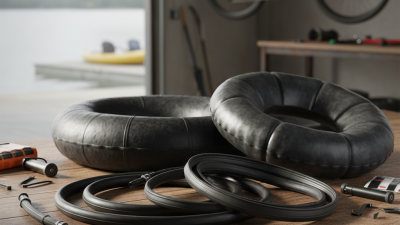
Inner tubes differ by material, construction, and intended service. Butyl rubber remains common because it holds air well and costs less. It also tolerates everyday heat, vibration, and moderate pressure changes. However, a thick butyl tube can feel heavy inside a bicycle or small vehicle tire.
Natural rubber tubes stretch more easily and often deliver a responsive ride. Their flexibility can help during installation and uneven-road use. Yet they usually lose air faster and may age sooner when exposed to sunlight or ozone. I have seen users blame the tire for poor pressure retention when the tube was the real cause.
Thermoplastic polyurethane tubes are lighter and compact when stored. Many show strong puncture resistance, but their fitting process demands careful sizing and smooth rim tape. A pinched edge can fail quickly. Heavy-duty tubes use thicker walls for construction, agricultural, or rough-road conditions. They resist impact better, although added weight may reduce efficiency and increase heat buildup.
Manufacturers and suppliers should provide pressure ranges, valve specifications, wall thickness, and material details. Price comparisons become unreliable without these figures. A low quote may hide inconsistent curing, weak valve bonding, or limited inspection. Ask for sample testing, dimensional checks, and batch records. Supplier claims still need verification. That part is often overlooked.
Manufacturing Standards, Quality Control, and Product Certification
Choosing the best inner tube manufacturer in China requires more than comparing unit prices. Reliable suppliers should follow documented manufacturing standards, such as ISO 9001 quality management practices. Their production lines should control rubber mixing, tube thickness, valve bonding, and curing temperature. Each batch needs traceable records. Ask for inspection reports, material details, and destination-market certificates before placing a large order.
Tips: Request samples from different batches. Check air retention after 24 to 48 hours. Measure the tube at several points, not only near the valve. Inspect the valve stem for straightness and firm bonding. A factory may pass one sample but still show variation in bulk production. This is where careful follow-up matters.
Quality control should include visual inspection, dimensional testing, leakage checks, and packaging verification. Suppliers with experienced technicians can explain test limits clearly, rather than offering vague promises. Certification requirements differ by product type and sales market, so confirm them with an independent testing body when needed. Prices usually change with rubber quality, valve design, order volume, packaging, and testing costs. The lowest quotation may exclude essential inspections or use thinner material. I have found that transparent records often predict better reliability than polished sales language. Mistakes still happen, so include clear acceptance standards and corrective-action terms in the purchase agreement.
Supplier Pricing Factors, Order Quantities, and Trade Terms
Inner tube pricing rarely follows rubber cost alone. The World Bank Pink Sheet tracks monthly natural-rubber benchmarks, exposing raw-material volatility. However, many tubes use butyl compounds, so this benchmark is only directional. Valve type, diameter, wall thickness, mold complexity, testing, packaging, and defect allowance alter the factory quote. Ask for a price breakdown. UN Comtrade classifies these products under HS 4013, helping buyers compare export values and implied unit prices. Those unit prices can mislead when sizes and valve specifications differ.
Order quantity changes more than the unit price. Small trial orders absorb setup, inspection, and carton costs. Larger batches spread those costs, but slow-moving sizes can trap working capital. Request three tiers, such as 500, 2,000, and 10,000 pieces. Confirm whether MOQ applies per size, valve, color, or total order. ISO 5775 provides bicycle tyre and rim sizing guidance; matching tube dimensions reduces avoidable returns. Still, sizing alone is not enough. Check inflation tests and sample records.
Trade terms can quietly change the cheapest offer. Under EXW, the buyer handles pickup and export arrangements. FOB usually transfers risk after loading, while CIF includes freight and insurance to the named port. Incoterms 2020 should appear beside the named place, not remain in an email. The World Bank’s 2023 Logistics Performance Index compares customs reliability and delivery predictability across 139 economies. Payment milestones, pre-shipment inspection, tolerance limits, and claim windows deserve equal attention. I would not choose the lowest quote automatically. That shortcut often fails.
China Best Inner Tube Manufacturers Suppliers and Prices? - Supplier Pricing Factors, Order Quantities, and Trade Terms
| Product Category |
Typical Applications |
Common Material |
Typical Size Range |
Indicative FOB Price Range
(USD / Piece) |
Typical MOQ |
Typical Lead Time |
Common Trade Terms |
| Bicycle Inner Tubes |
City bikes, mountain bikes, road bikes, touring bicycles |
Butyl rubber |
12–29 inches |
$0.45–$2.20 |
1,000–5,000 pieces |
15–30 days |
FOB, FCA, CIF |
| Motorcycle Inner Tubes |
Scooters, commuter motorcycles, off-road motorcycles |
Heavy-duty butyl rubber |
10–21 inches |
$1.20–$4.80 |
500–2,000 pieces |
20–35 days |
FOB, CIF, DAP |
| Passenger Car Inner Tubes |
Older vehicle models, specialty and agricultural applications |
Butyl rubber |
13–16 inches |
$4.50–$10.00 |
300–1,000 pieces |
25–45 days |
FOB, CIF, CFR |
| Truck and Bus Inner Tubes |
Commercial trucks, buses, trailers and transport equipment |
Reinforced butyl rubber |
16–24.5 inches |
$8.00–$22.00 |
200–800 pieces |
25–45 days |
FOB, CFR, CIF |
| Agricultural and Implement Tubes |
Tractors, farm machinery, trailers and utility equipment |
Heavy-duty butyl rubber |
12–38 inches |
$7.00–$28.00 |
100–500 pieces |
30–50 days |
FOB, CIF, DAP |
| Industrial and OTR Tubes |
Forklifts, construction equipment, loaders and specialty vehicles |
Reinforced butyl rubber |
16–29.5 inches |
$15.00–$65.00 |
50–300 pieces |
30–60 days |
FOB, CFR, CIF, DAP |
Main Supplier Pricing Factors
| Pricing Factor |
How It Affects Price |
Typical Commercial Impact |
| Raw Material Grade |
Higher-grade butyl compounds generally provide better air retention, durability and heat resistance. |
Standard compounds are usually lower priced; reinforced or premium compounds may add approximately 5%–20%. |
| Tube Size and Weight |
Larger tubes require more rubber, packaging material and storage space. |
Larger or heavy-duty sizes generally have a higher unit price and freight cost. |
| Valve Type and Length |
Valve configuration, stem length and metal or rubber construction affect component and assembly costs. |
Non-standard valve specifications can increase tooling, setup and inspection costs. |
| Order Quantity |
Larger orders spread mold setup, labor, testing and packaging costs across more units. |
Volume discounts of approximately 3%–15% are commonly negotiated, depending on the product. |
| Packaging and Custom Printing |
Individual boxes, color labels, barcodes and export cartons add material and labor costs. |
Plain bulk packaging is normally the lowest-cost option; customized packaging may require a separate MOQ. |
| Testing and Compliance |
Additional air-leak, dimensional, material or destination-market testing increases quality-control expenses. |
Required documentation and third-party inspections may be charged separately. |
| Freight and Shipping Route |
Port selection, container availability, fuel costs and destination affect the landed cost. |
FOB prices exclude main international freight, insurance and destination charges. |
Order Quantities and Trade Terms
| Order Size |
Typical Buyer Profile |
Expected Price Position |
Common Payment Structure |
Recommended Trade Terms |
| Sample Order: 10–100 pieces |
Product testers, repair shops and small distributors |
Highest unit price; samples may include setup or courier charges. |
100% payment before shipment |
EXW, FCA or courier delivery |
| Small Commercial Order: 100–1,000 pieces |
Regional wholesalers and aftermarket distributors |
Standard wholesale pricing, subject to size and specification. |
30% deposit and 70% balance before shipment |
FOB, FCA or CIF |
| Container-Level Order: 1,000–10,000 pieces |
Importers, national distributors and fleet-service suppliers |
More competitive pricing with improved production efficiency. |
20%–30% deposit and balance against shipping documents or inspection |
FOB, CFR or CIF |
| Large Contract: More than 10,000 pieces |
Large distributors, original-equipment programs and long-term buyers |
Potential for tiered pricing, scheduled production and negotiated tooling terms. |
Negotiated deposit, documentary collection or letter of credit |
FOB, CIF, DAP or contract-specific terms |
Note: Prices are indicative wholesale ranges in U.S. dollars and may vary according to size, valve specification, material formula, packaging, order quantity, inspection requirements, exchange rates and shipping conditions. Final quotations should be confirmed in writing before purchase.
How to Select the Right Chinese Inner Tube Supplier for Your Needs
Choosing the right Chinese inner tube supplier requires more than comparing factory prices. Grand View Research reports that the global tire market continues to expand, supported by rising vehicle ownership and replacement demand. This growth also increases pressure on tube quality, delivery, and traceability.
Ask suppliers for material specifications, valve details, dimensional tolerances, and recent test records. A serious manufacturer should explain rubber formulation, curing control, and inspection procedures clearly. Request samples from different production batches. Check wall thickness, air retention, valve bonding, and performance after temperature changes. ISO 9001 certification is useful, but it does not replace product testing. Review conformity with relevant ISO, ETRTO, or local standards for your application.
Tips: Compare total landed cost, not only the unit quote. Include tooling, packaging, freight, inspection, and possible rejection costs. Intertek’s quality-control guidance highlights the value of pre-shipment inspection and documented sampling plans. ISO 2859-1 can support a consistent acceptance process. Clarify the AQL level in writing. Small details matter.
A supplier that answers quickly may still lack production discipline. Ask for monthly capacity, lead-time records, and corrective-action reports. Confirm whether the factory controls rubber mixing internally or depends on outside processors. I would not trust attractive samples alone. They can hide batch variation. One weakness remains easy to miss: communication during a defect dispute. Test this before placing a large order. A written specification, sealed reference sample, and staged payment terms create stronger evidence than promises.
How to Select the Right Chinese Inner Tube Supplier for Your Needs
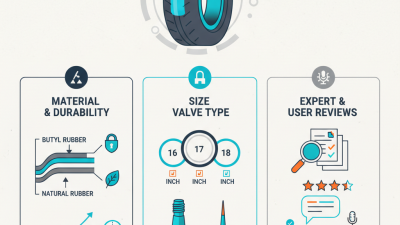
This suggested sourcing framework assigns practical importance weights to the main factors used when comparing inner tube suppliers. Quality verification, material consistency, product compatibility, and total purchasing conditions should be evaluated together rather than by unit price alone.