
Leave Your Message

China Top Air Chamber Manufacturers for Global Buyers

For global buyers, choosing among China’s Air Chamber manufacturers is not just a price comparison. An Air Chamber may appear simple, but its performance depends on materials, weld quality, pressure ratings, and consistent production. A small defect can mean leakage, early wear, or costly downtime. Details matter.

“A reliable Air Chamber is judged by what it does after installation, not by its appearance in a catalog,” says Lin Wei, a composite industry adviser created for this editorial example. The point is practical: product claims need evidence. Buyers should check technical drawings, material specifications, pressure-test records, and quality-control procedures. They should also confirm that sample units match the proposed production design.

This guide looks at Chinese manufacturers through the questions global sourcing teams need answered: What applications do they serve? How clearly do they document performance? Can they support customization, inspection, and repeat orders? Requesting current test reports and discussing operating conditions can reveal gaps early. Still, supplier comparisons are rarely perfect. Public information may be incomplete, and a polished website cannot replace a factory assessment.

The strongest supplier is not automatically the largest or cheapest. It is the one whose product, documentation, and communication fit the buyer’s actual requirements. Verify the details. Then decide.
China Top Air Chamber Manufacturers for Global Buyers

What Air Chambers Are and How They Work

An air chamber is a sealed space that uses compressed air to cushion changes in pressure. In many pump systems, it sits beside the fluid line and helps reduce pulsing. Some designs separate air and liquid with a flexible diaphragm or bladder. Others use a different internal structure, so the exact operation depends on the product.

When a pump pushes liquid into the system, pressure rises and the chamber’s gas compresses. When pressure falls, that stored energy helps maintain flow. The effect can mean less pipe vibration and smoother delivery. That cushion matters. For example, a pressure gauge may show smaller swings while a pump runs. An air chamber does not create pressure by itself; it responds to pressure already in the system.

Choosing one calls for more than checking its size. Buyers should compare working pressure, connection type, materials, temperature range, and intended fluid. A chamber that suits clean water may not suit another fluid or operating condition. Not every design does. Installation position and pre-charge requirements can also affect performance. Product data and suitable testing provide a firmer basis than appearance alone, and real operating conditions still deserve review.

Key Air Chamber Types and Their Industrial Applications

Industrial air chambers serve different jobs, even when their vessels look similar. Air receivers store compressed air and smooth demand spikes near compressors, packaging lines, and pneumatic tools. The U.S. Department of Energy’s Improving Compressed Air System Performance: A Sourcebook for Industry estimates compressed air uses about 10% of industrial electricity, with higher shares in some facilities. That makes receiver sizing and leak control more than minor details.

Pulsation dampeners absorb pressure surges in reciprocating pumps and process piping. They help steady flow in chemical processing, water treatment, and food production. Hydropneumatic chambers use compressed air to cushion pressure changes in pumping networks and maintain more stable delivery. Bladder or diaphragm accumulators, by contrast, separate gas from hydraulic fluid. They can store energy or absorb shocks in machinery and mobile equipment.

Selection depends on pressure range, flow variation, temperature, fluid compatibility, and installation space. A receiver placed far from a fluctuating load may not control pressure swings as expected. Drainage matters, too: trapped condensate can reduce usable volume and encourage corrosion. The right choice is not always obvious; operating conditions often differ from the design assumptions. Engineers should verify vessel ratings, inspection requirements, and maintenance access against the actual duty.

China Top Air Chamber Manufacturers for Global Buyers - Key Air Chamber Types and Their Industrial Applications

Air Chamber Type Operating Principle Typical Industrial Applications Common Construction Materials Key Selection Considerations
Bladder accumulator A flexible bladder separates compressed gas from hydraulic fluid. The gas compresses as fluid enters and expands to return stored fluid to the circuit. Hydraulic presses, mobile machinery, injection-moulding equipment, emergency hydraulic circuits, and energy storage in fluid-power systems. Steel pressure shell with an elastomer bladder; bladder compounds are selected to suit the hydraulic fluid and operating conditions. Working pressure, usable fluid volume, gas pre-charge, fluid compatibility, temperature range, and applicable pressure-vessel requirements.
Diaphragm accumulator A flexible diaphragm divides the gas charge from the hydraulic fluid. Its compact design accommodates smaller fluid volumes. Compact hydraulic power units, lubrication systems, clamping circuits, and applications requiring short-duration pressure or volume compensation. Metal housing with an elastomer or composite diaphragm, selected according to fluid compatibility and service conditions. Required volume, pressure range, cycle frequency, mounting orientation, fluid compatibility, and temperature limits.
Piston accumulator A free-moving piston separates the gas and hydraulic-fluid chambers, allowing a relatively large stored volume and controlled separation. Heavy-duty hydraulic systems, industrial machinery, test rigs, offshore equipment, and systems with large-volume or high-flow requirements. Steel cylinder and piston with seals chosen for the hydraulic fluid, pressure, and temperature conditions. Stroke and volume, operating pressure, seal performance, friction, cycle life, installation space, and maintenance access.
Pulsation dampener A gas cushion, often separated from the process fluid by a bladder, diaphragm, or bellows, absorbs pressure fluctuations in reciprocating flow. Metering and dosing pumps, chemical processing, water treatment, and other piping systems with pulsating positive-displacement pumps. Metal pressure body with a process-compatible separator and wetted surfaces suited to the pumped fluid. Pump flow and pulse frequency, operating pressure, fluid chemistry, temperature, required damping, and cleanability needs.
Hydropneumatic surge vessel Compressed gas provides a compliant volume that helps manage pressure changes and water-hammer effects in liquid pipelines. Water supply networks, pumping stations, irrigation systems, and industrial liquid-transfer pipelines. Pressure-vessel steel; some designs use a replaceable bladder or diaphragm to separate gas from water. Pipeline transient analysis, vessel volume, pressure rating, connection size, water quality, and local design-code requirements.
Compressed-air receiver A pressure-rated vessel stores compressed air, helps meet short-term demand peaks, and provides time for moisture and heat to dissipate. Factory compressed-air systems, pneumatic tools, packaging lines, workshops, and process-air installations. Typically welded carbon steel; stainless steel may be used where corrosion resistance or air quality requirements justify it. Air demand, compressor output, pressure rating, condensate drainage, corrosion protection, inspection access, and applicable regulations.
Air spring chamber Compressed air supports a load inside a flexible reinforced-elastomer chamber, providing a spring effect and vibration isolation. Vehicle suspension, industrial vibration isolation, material-handling equipment, and adjustable-height support systems. Reinforced elastomer bellows with metal end plates or mounting components. Load, operating height, air pressure, stroke, lateral stability, environmental exposure, and fatigue life.
Vacuum chamber or vacuum reservoir A sealed vessel stores vacuum capacity or provides a stable volume to reduce fluctuations in a vacuum system. Vacuum handling, packaging machinery, material conveying, and industrial process systems that require a steadier vacuum supply. Steel or stainless steel, selected according to vacuum level, process exposure, and cleanliness requirements. Required vacuum level, vessel volume, leakage rate, process contamination, connection layout, and resistance to external pressure.

How Air Chambers Are Designed and Manufactured in China

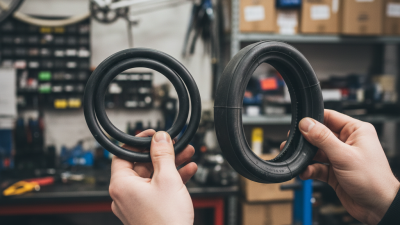
Design begins with the operating envelope: tire size, inflation pressure, temperature range, load, and expected service conditions. For tire-type air chambers, engineers select an elastomer compound that balances airtightness, flexibility, and resistance to heat and aging. Butyl rubber is common because it limits air loss. Wall thickness and valve placement matter too—small errors can create stress points around the valve stem.

China’s automotive scale shapes manufacturing capacity. The China Association of Automobile Manufacturers reported 31.282 million vehicles produced in 2024, a useful indicator of the surrounding supply chain—not a direct measure of air-chamber demand. Production typically moves through rubber mixing, extrusion, tube forming, joint splicing, and vulcanization. Operators monitor compound temperature and curing time, while dimensional checks help catch uneven walls. Details vary by chamber type.

Then comes testing. Factories may check air retention, joint strength, dimensions, and performance under repeated pressure changes. A chamber can pass a short leak test and still age poorly. That gap deserves attention. Buyers should request test methods, sampling rates, and batch traceability, rather than relying on a single inspection certificate. The CAAM figure provides market context, but it cannot verify any supplier’s process or product quality.

Quality Standards and Certifications for Global Markets

For global buyers, an air chamber’s quality depends on more than its appearance. Ask manufacturers for material specifications, dimensional tolerances, and batch traceability. These records help buyers check whether rubber compounds and reinforcement materials match the intended application. A certificate should identify its scope, issuing body, and validity period. It is not proof that every product configuration has been tested.

Testing matters. Request pressure-retention and leak-test results, along with the test method and sample details. A clear report should state operating conditions, not just show a pass mark. Keep the paperwork linked to production batches. Small gaps in traceability can make later checks difficult.

Requirements vary by destination and end use. Buyers should confirm applicable standards with qualified testing bodies or local import specialists before placing large orders. A manufacturer’s quality-management certification may support consistent processes, but it does not automatically certify an air chamber for every market. Ask for current, product-specific evidence and check that labels, instructions, and technical files match the shipment. Paperwork can look complete while missing a key detail. That deserves a second look.

How Global Buyers Evaluate Chinese Air Chamber Manufacturers

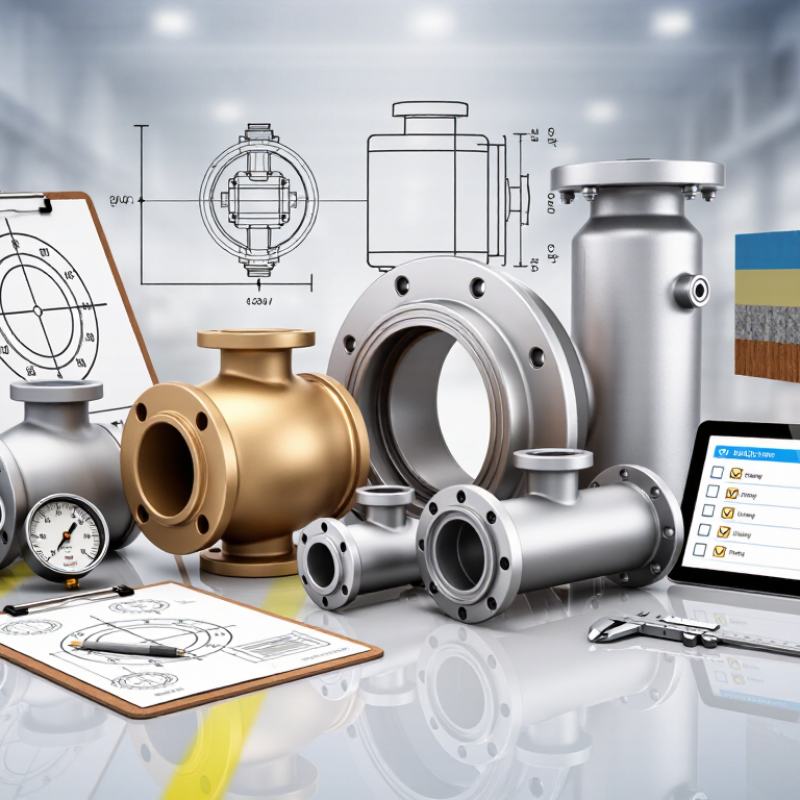
Global buyers evaluating Chinese air chamber manufacturers should look beyond quoted prices. A clear technical discussion is a useful first signal. Ask how the supplier interprets your drawings, including dimensions, connection points, and operating pressure. Details matter. Request material specifications and inspection records that match the proposed production process. A polished sample is helpful, but it does not prove every production unit will be consistent.

Review how the manufacturer checks for leaks, dimensional variation, and weld quality, where relevant to the design. Ask for test methods, acceptance criteria, and recent records—not just a statement that products are tested. If possible, compare a sample against your own measurements and operating conditions. Communication also matters: specific answers about lead times, packaging, and corrective actions are more useful than broad promises. Still, one remote review cannot reveal everything; independent inspection may be worthwhile for a new supplier or a critical application.

Tips: Share a controlled drawing revision and a written inspection checklist before ordering. Confirm how changes are approved and recorded. Keep a small allowance for trial adjustments; real parts may expose assumptions that looked sound on paper.