Best Inner Tube For Tire Options and Their Benefits?
Choosing the right Inner Tube For Tire can significantly enhance your ride quality. Many riders overlook this crucial component, believing any tube will suffice. However, various options exist, each with its own benefits and drawbacks.
For example, a high-quality inner tube can reduce the risk of flats. It can also improve the overall performance of your bike. On the flip side, opting for a cheaper, lower-quality tube might save money initially, but it often leads to more frequent repairs.
Riders should consider the materials and thickness of the inner tube. The right type can provide durability and comfort on diverse terrains. Yet, it’s easy to fall into the trap of prioritizing price over quality. Reflecting on these choices is essential for the best cycling experience.
Understanding Inner Tubes: What They Are and How They Work
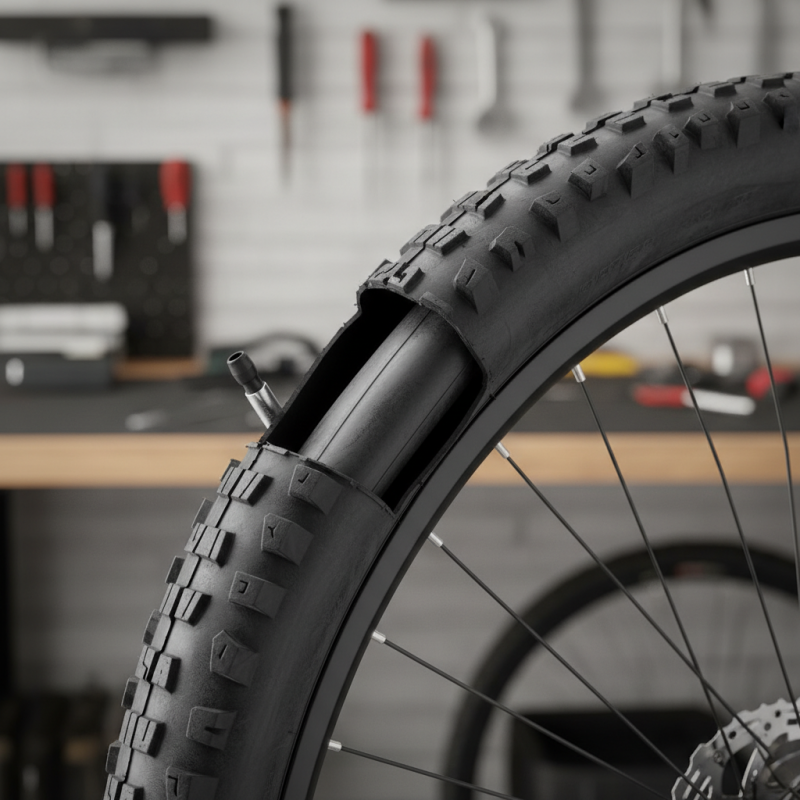
Inner tubes are essential components of many bicycle, motorcycle, and vehicle tires. They are typically made of rubber and fit inside the tire. Their primary function is to hold air, providing support and cushioning. Without them, tires would collapse and provide no balance or traction. Understanding inner tubes helps in choosing the right one for your ride.
Choosing the right inner tube can seem overwhelming. Look for the correct size that fits your tire. Measure the tire's diameter and width. A mismatched tube might lead to poor performance. Also, consider the material — butyl rubber is common, while latex tubes can offer lower rolling resistance.
Tips: Always check for punctures before installation. A simple visual inspection can save you time. Adding sealant can prevent leaks. Finally, keep spare tubes handy. You never know when you might need one.
Choosing the right inner tube isn't just about fit. Different environments and riding styles can affect the choice. For example, lightweight tubes are great for racing but may not hold up on rough terrain. Reflect on your regular riding conditions to choose wisely.
Best Inner Tube For Tire Options and Their Benefits
| Inner Tube Type |
Material |
Advantages |
Best Use Case |
| Butyl Rubber Tube |
Butyl Rubber |
Good air retention, durable, cost-effective |
Road bikes, city bikes |
| Latex Tube |
Latex |
Lightweight, superior ride quality, better traction |
Racing, performance biking |
| Self-Sealing Tube |
Butyl with sealant |
Seals punctures automatically, reduces maintenance |
Commuter bikes, touring |
| Fat Bike Tube |
Butyl Rubber |
Extra thickness for rugged conditions, low pressure capability |
Fat bikes, off-road cycling |
| Mountain Bike Tube |
Butyl Rubber |
Puncture-resistant, durable for rough terrains |
Mountain biking |
Types of Inner Tubes: Choosing the Right Material for Your Needs
When choosing inner tubes, the material matters greatly. Rubber is a common choice. It offers a good balance of durability and flexibility. But it can be heavy. Some prefer lightweight options. Those made from latex can reduce weight. However, latex may not last as long. Consider your needs carefully.
Another option is butyl rubber. It’s heavier but highly resistant to punctures. This can be ideal for rough terrains. Some cyclists find the weight bothersome. You may need to weigh durability against convenience. If you ride frequently, a tougher material could pay off.
Finally, remember that not all inner tubes are created equal. Some fit specific tire sizes better than others. Always check compatibility before making a decision. It's easy to overlook this crucial detail. Make sure your tube matches your tire size. Small mistakes can lead to flat tires and frustration. Choose wisely based on your riding style.
Best Inner Tube Options and Their Benefits
This chart illustrates the durability ratings of different types of inner tubes. Rubber tubes are generally the most durable, followed closely by butyl tubes. Latex tubes have decent durability, while nylon tubes are the least durable option in this selection.
Benefits of Upgrading Your Inner Tube: Performance and Safety Enhancements
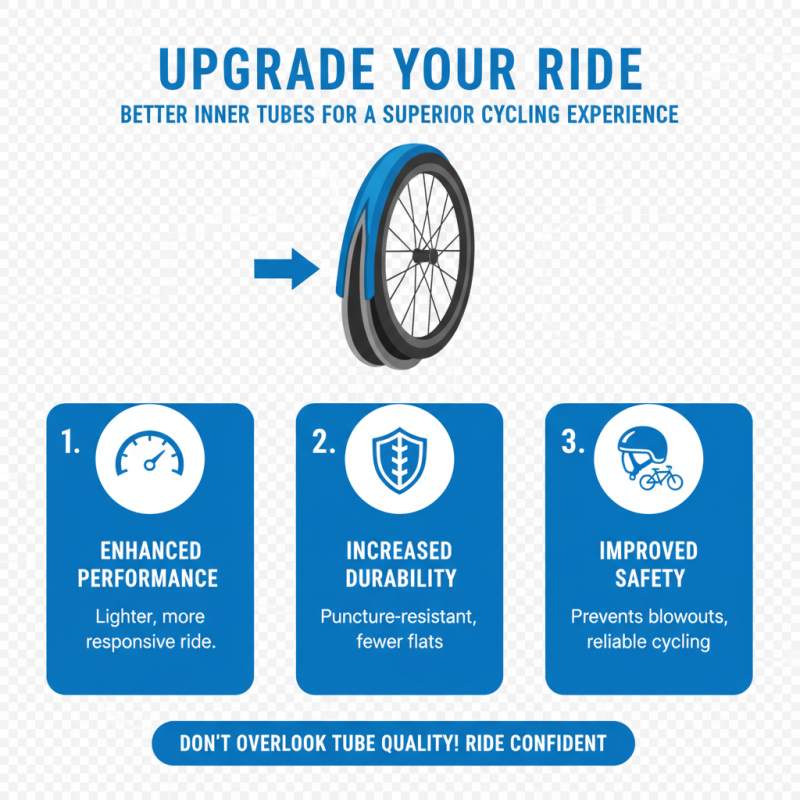
Upgrading your inner tube can significantly improve your cycling experience. A high-quality inner tube can enhance performance. With better durability, it resists punctures and failures on the road. Riders often miss the connection between tube quality and safety. However, a reliable tube can prevent frustrating blowouts.
Another key aspect is weight. Lightweight options reduce rolling resistance. This means easier climbs and faster descents. Some cyclists overlook the importance of weight. It's easy to underestimate how a few grams affect performance. A lighter inner tube can inspire confidence and improve handling when turning.
Moreover, modern materials can offer better shock absorption. This results in a smoother ride. However, not every cyclist who upgrades reports a noticeable difference. Personal preference plays a role in perceived performance. Experimenting with different tubes may lead to surprises. Sometimes, the best upgrade is simply a matter of personal perception and experience on different terrains.
How to Select the Best Inner Tube for Different Tire Applications
Selecting the best inner tube for different tire applications requires careful consideration. The inner tube serves as the crucial barrier between your tire and the environment. Its material composition directly affects performance. For instance, butyl rubber tubes are common for road biking. They offer good air retention and durability. However, they may lack elasticity compared to latex tubes.
When examining inner tubes, one must also assess their size. A proper fit prevents pinch flats and ensures safety. A mismatch can lead to damaging the tube and tire. A report indicated that approximately 30% of cyclists experience issues due to incorrect sizing. This underscores the need for attention to specifications.
Venturing into different applications, mountain biking often requires sturdier tubes. Heavy-duty options can withstand rough terrains. However, they may be heavier and can create resistance. Users need to find a balance. Consideration of the intended use greatly informs the choice. The dynamics of tube performance can sometimes be underestimated. Thus, research and relevant data are essential for informed decisions in this area.
Maintenance Tips for Maximizing the Lifespan of Your Inner Tube
Maintaining your inner tube is crucial for a smooth ride. Regular checks can prevent unexpected flats. Inspect for any punctures or scratches. If you notice a small hole, it may be tempting to ignore it, but this can lead to bigger problems later. Try to keep your inner tube clean and free from dirt. Dirt can cause wear that shortens its lifespan.
Proper inflation is essential. Under-inflated tires increase friction and wear. Over-inflation can lead to blowouts. It's important to adhere to recommended pressure levels. Check your tire pressure often, especially before long rides. A pressure gauge is handy for this task.
Store your inner tubes in a cool, dry place. Avoid exposing them to sunlight for extended periods. UV rays can degrade the rubber, making it less reliable. A small oversight like this can cost you on the road. Consider using tire sealants for extra protection. However, remember that these are not a fix-all solution. Always be prepared for unexpected issues.