What are the Benefits of Using Butyl Inner Tubes?
When considering tire maintenance, the choice of inner tubes plays a crucial role. One popular option is the Butyl Inner Tube. This type of inner tube offers several benefits that enhance riding experience and safety.
Butyl Inner Tubes are known for their excellent air retention. They are less permeable compared to other materials. This means they hold air longer, reducing the need for frequent inflation. As a result, cyclists can enjoy longer rides without interruptions.
Another advantage is their durability. Butyl Inner Tubes resist punctures and wear. This feature makes them a reliable choice for both casual and serious cyclists. However, even with these benefits, some may find them less environmentally friendly than alternatives. Reflecting on these details, users can make informed decisions.
Benefits of Butyl Inner Tubes for Tires
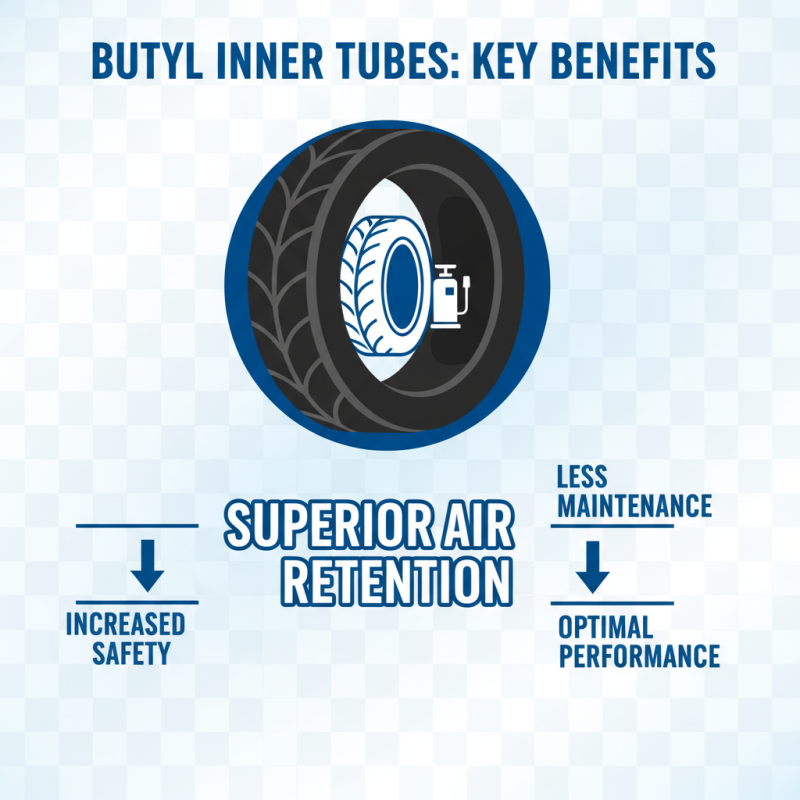
Butyl inner tubes offer several advantages that make them a preferred choice for many tire applications. Firstly, they are known for their superior air retention. This feature ensures that tires remain inflated for longer, reducing the frequency of maintenance. Proper inflation is essential for optimal vehicle performance and safety on the road.
Another key benefit is their resistance to aging and weathering. Butyl tubes can withstand harsh conditions, maintaining their integrity over time. This longevity is particularly valuable for those who face extreme temperatures. However, it's worth noting that if not regularly checked, even the best tubes can lose air over time, leading to unexpected flat tires.
Moreover, butyl inner tubes provide excellent vibration dampening. This contributes to a smoother ride, which enhances comfort for drivers and passengers alike. While they excel in many areas, it's important to reflect on their environmental impact. The production of synthetic materials raises concerns about sustainability. Balancing performance with eco-responsibility is an ongoing challenge for manufacturers and consumers.
Durability and Longevity of Butyl Inner Tubes
When it comes to durability, butyl inner tubes stand out. They are crafted from a synthetic rubber that offers remarkable resistance to wear and tear. This material holds up well against punctures and abrasions, which is a common cause of tire failure. Many cyclists appreciate that they can focus on their ride rather than worry about frequent replacements.
Butyl inner tubes are not just tough; they also have a long lifespan. With proper care, these tubes can last for years. Maintaining the correct pressure prevents excessive wear. However, some users forget to check air levels regularly. This oversight can lead to premature wear or even a flat tire. Additionally, storing tubes in a cool, dry place enhances longevity but is often overlooked by many.
In terms of performance, butyl tubes retain air efficiently. This means fewer instances of needing to inflate tires. But, they can still lose air over time. Users should stay mindful of routine checks. While they may be more durable than other options, some still encounter unexpected issues. Open discussions about these challenges can lead to better practices in maintenance and usage.
Enhanced Air Retention in Butyl Inner Tubes
Butyl inner tubes are gaining popularity for good reason. One major advantage is their enhanced air retention. They hold air better than other materials, such as latex. This means fewer punctures during rides and less frequent inflation. Cyclists appreciate this benefit, especially on long journeys.
The molecular structure of butyl rubber contributes to its air retention capabilities. It has a dense, non-porous nature. This characteristic minimizes air leakage over time. Riders using butyl inner tubes often report maintaining tire pressure for longer periods. This efficiency allows for smoother rides without constant maintenance.
However, not everything about butyl inner tubes is perfect. Some users may notice a slight increase in weight compared to latex. The trade-off can be significant for competitive cyclists. Nonetheless, the reliability of keeping tires inflated often outweighs this concern for everyday riders. Understanding these nuances is key to making informed choices about inner tubes.
Benefits of Using Butyl Inner Tubes
This bar chart illustrates the enhanced air retention capabilities of different types of inner tubes. Butyl inner tubes retain air significantly longer than natural rubber and latex tubes, making them a preferred choice for many cyclists.
Resistance to Temperature Variations with Butyl Inner Tubes
Butyl inner tubes stand out for their impressive resistance to temperature variations. Many riders face challenges with temperature shifts during different weather conditions. Butyl tubes maintain their performance despite these fluctuations. This property makes them ideal for diverse climates.
When temperatures drop, air pressure in standard tubes can decrease. However, butyl tubes retain more stable pressure levels. This stability translates to a safer and smoother ride. In hot conditions, they are less prone to rapid air loss. This means fewer worries about blowouts on the road.
But, not all is perfect. While butyl inner tubes are durable, they may not be as flexible as other materials. This rigidity can impact ride quality, especially in rugged terrains. Additionally, some find them harder to install. These aspects deserve consideration when choosing the right inner tube for your needs.
Cost-Effectiveness of Butyl Inner Tubes in the Long Run
Butyl inner tubes offer significant cost-effectiveness over time. Their longevity is impressive, often lasting twice as long as other materials. This durability means fewer replacements, leading to savings on purchases. Over time, the initial higher price pays off. You spend less on tubes and maintenance.
Maintenance is also simpler. Butyl tubes maintain air pressure well, reducing the frequency of inflation. This convenience saves time and effort. Riders often experience fewer punctures due to the robustness of butyl. This added reliability is essential for convenience.
However, they may not be suitable for every situation. Some riders prefer a lightweight option for racing. This could mean higher costs in tire changes. Each choice has its trade-offs. Evaluating personal riding styles and budgets is key when deciding. Cost-effectiveness is broad but subjective.
What are the Benefits of Using Butyl Inner Tubes? - Cost-Effectiveness of Butyl Inner Tubes in the Long Run
| Feature |
Butyl Inner Tubes |
Natural Rubber Inner Tubes |
Cost Comparison |
| Air Retention |
Excellent |
Good |
Lower maintenance costs due to less frequent pumping |
| Durability |
High |
Moderate |
Longer lifespan leads to overall cost savings |
| Weight |
Lightweight |
Heavier |
Improves fuel efficiency in vehicles |
| Temperature Resistance |
High |
Moderate |
Reduced risk of failure in extreme temperatures |
| Cost |
Higher initial investment |
Lower initial cost |
Cost-effective in the long run due to durability |