
Butyl Rubber is a versatile synthetic rubber known for its unique properties. It offers significant advantages across various industries, making it an essential material for global buyers. Its exceptional airtightness and resistance to temperature variations make it ideal for applications like tire manufacturing, sealants, and medical products.
With a strong track record in industries requiring durability, Butyl Rubber stands out. Its ability to withstand aging and harsh environmental conditions is crucial. As industries evolve, buyers must understand how these properties can enhance product performance. Yet, not all applications might fully utilize its potential.
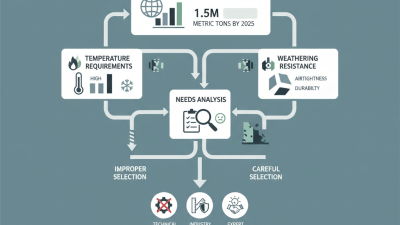
Navigating the options in Butyl Rubber can be challenging. Buyers should assess their specific needs carefully. Understanding the material's strengths and limitations is key. By making informed choices, they can leverage Butyl Rubber’s benefits effectively.
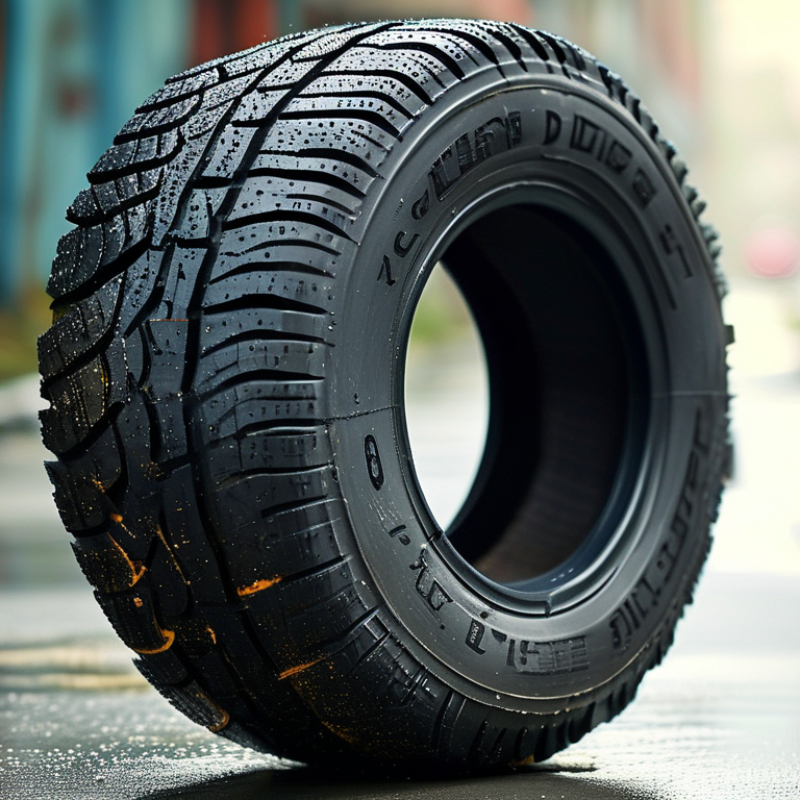
Butyl rubber has become indispensable in various industrial sectors due to its unique properties. One of the most significant advantages is its excellent impermeability to gases. This feature is particularly beneficial for tire manufacturing, where butyl rubber helps maintain optimal air pressure, leading to improved fuel efficiency. According to a report by Smithers Pira, butyl rubber consumption in the tire industry is expected to surpass 1.5 million metric tons by 2025.
Another key benefit lies in its superior aging resistance. Butyl rubber can withstand harsh environmental conditions, making it ideal for applications in construction and automotive industries. A study by the American Chemical Society indicates that butyl rubber retains its performance characteristics longer than natural rubber under UV exposure and ozone. This longevity translates into cost savings for industries reliant on durable materials.
However, it's important to note that butyl rubber lacks the elasticity of natural rubber, which can limit its use in certain applications. This shortcoming calls for careful consideration when selecting materials for specific needs. Despite this, the benefits often outweigh the drawbacks, reinforcing butyl rubber's pivotal role in industrial applications. The material's unique blend of properties continues to inspire innovation across numerous sectors.
| Benefit | Description | Application Areas |
|---|---|---|
| Excellent Air Tightness | Butyl rubber provides superior air retention, making it ideal for tire inner linings. | Automotive, Bicycle Tires |
| Chemical Resistance | Resistant to a wide range of chemicals, enhancing durability. | Industrial Seals, Gaskets |
| Weather Resistance | Withstands harsh weather conditions, UV radiation, and ozone degradation. | Outdoor Applications, Roofing |
| Low Permeability | Minimizes gas permeation, making it suitable for various seal applications. | Medical Devices, Tire Manufacturing |
| Good Heat Resistance | Maintains properties under high temperatures, extending life cycle. | Automotive Parts, Heat Insulation |
| Flexibility | Retains flexibility over a wide range of temperatures. | Hoses, Flexible Pavement Seals |
| Excellent Aging Stability | Resists aging caused by heat and ozone exposure for long-lasting performance. | Packaging Materials, Electrical Insulation |
| Low Compression Set | Maintains original shape after compression, ensuring long-term sealing efficacy. | Seals, Vibration Dampers |
| Sustainability | Can be produced from renewable resources, promoting eco-friendliness. | Eco-Friendly Products, Biodegradable Films |
| Cost-Effectiveness | Provides a favorable cost-to-performance ratio for various industrial uses. | Manufacturing, Construction |

Butyl rubber is renowned for its enhanced gas barrier properties. This makes it a valuable material in various applications, especially in the automotive and packaging industries. Its molecular structure allows for low gas permeability, which helps in maintaining product integrity. For instance, butyl rubber has less oxygen permeability than many other elastomers, making it ideal for tires that require durability.
One important consideration is how to optimize the use of butyl rubber in your projects. Understanding its characteristics can greatly improve performance. Proper blending techniques can enhance its barrier properties. Always consider the environmental conditions that the rubber will face. Temperature fluctuations can significantly affect gas permeation and overall material performance.
Tips: Regular testing of products made from butyl rubber can uncover potential weaknesses. A minor flaw could lead to increased gas diffusion over time. Review your supply chain for high-quality materials, as the consistency of butyl rubber varies. Ensure your suppliers are reliable and capable of providing detailed specifications. Quality control is essential for leveraging butyl rubber's benefits effectively.
Butyl rubber is renowned for its remarkable durability and longevity. In diverse environments, this material excels. Research shows that butyl rubber can withstand extreme temperatures. It remains stable from -40°C to 100°C. This wide range makes it suitable for various applications.
Moreover, butyl rubber is highly resistant to chemicals, UV radiation, and ozone. According to a study by the American Chemical Society, materials like butyl rubber can maintain integrity for over 20 years with proper care. While this aging resistance is impressive, some users may notice degradation in specific conditions. Regular assessments are crucial to ensure optimal performance over time.
In addition, its low permeability to gases is significant. This quality helps maintain pressure in tires and other applications. Data indicates that butyl rubber reduces gas diffusion rates significantly. However, manufacturers should not overlook its weight. The material can be heavier than other alternatives, which may not suit every design. Balancing the benefits and limitations is essential for buyers.
Butyl rubber is increasingly recognized for its cost-effectiveness compared to traditional rubber alternatives. For buyers, this translates to significant savings in production costs. Unlike natural rubber, butyl rubber offers excellent resistance to chemicals and aging, resulting in lower maintenance expenses over time. This material’s unique properties also contribute to its durability, allowing manufacturers to reduce replacement frequency, hence decreasing overall costs.
Moreover, the manufacturing process of butyl rubber is efficient. It requires less energy than many alternatives, which can lead to reduced operational costs. Buyers appreciate this efficiency, as it not only cuts expenses but also minimizes environmental impact. While the initial investment in butyl rubber products might be slightly higher, the long-term benefits often outweigh this upfront cost.
However, some may question the performance of butyl rubber under extreme conditions. It may not outmatch every specialty rubber. Buyers should consider their specific needs. Balancing cost against performance is crucial. There is no one-size-fits-all solution. Recognizing the strengths and limitations of butyl rubber can lead to more informed purchasing decisions.
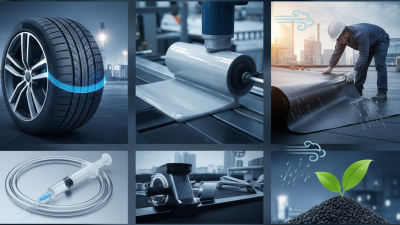
Butyl rubber is widely used in various industries, particularly in automotive and consumer goods. Its unique properties make it ideal for applications that require durability and flexibility. For instance, in the automotive industry, butyl rubber is often utilized in tire manufacturing. Its air retention properties improve fuel efficiency and extend tire life. Additionally, it acts as a barrier against moisture and gases, ensuring better performance in varying temperatures.
In consumer goods, butyl rubber serves multiple purposes. It is commonly used in adhesives and sealants, which ensures effective bonding and durability. Its excellent chemical resistance means it can withstand various substances without deteriorating. This quality is essential in products like kitchenware and outdoor equipment.
However, while its advantages are significant, challenges exist. Sourcing butyl rubber sustainably can be complex, and its processing requires careful consideration. The industry must continuously reflect on these aspects to enhance its reliability and sustainability over time.